Best guide structure to boost completion rates & reduce bounce in gaming walkthroughs?

Creating a gaming walkthrough isn’t just about providing information; it’s about delivering that information in a way that is easily digestible, engaging, and ultimately helpful. In the fast-paced world of gaming, players often seek quick answers, and a poorly structured guide can lead to frustration, high bounce rates, and uncompleted walkthroughs. The key lies in understanding player behavior and designing your content to match their needs.
The Importance of Intuitive Navigation
The first step to reducing bounce rates is ensuring players can quickly find what they’re looking for. A clear, intuitive navigation system is paramount. This includes a prominent table of contents, ideally with anchor links to specific sections of the guide. Players should be able to jump to a boss fight strategy, a puzzle solution, or a collectible location without endless scrolling. Use descriptive headings that clearly indicate the content of each section.

Chunking Information for Readability
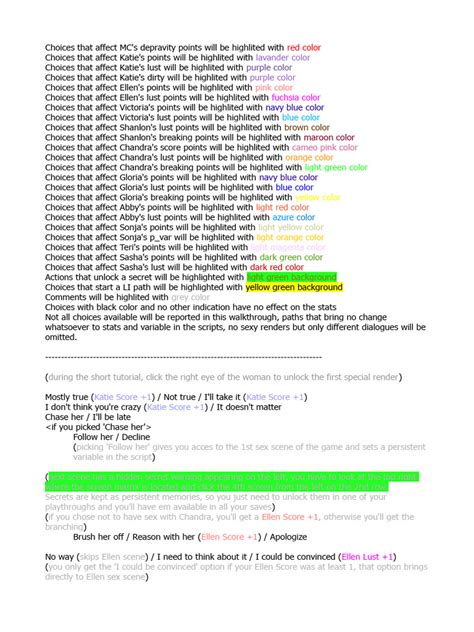
Wall-of-text paragraphs are the enemy of engagement. Break down your guide into smaller, manageable chunks. Use subheadings (H3, H4), bullet points, and numbered lists to present information. Each paragraph should ideally focus on a single idea or step. This not only makes the guide easier to read but also helps players quickly scan for relevant details without feeling overwhelmed.
Visual Aids and Media Integration
A picture is worth a thousand words, especially in gaming walkthroughs. Integrate screenshots, maps, and even short video clips (or clear instructions on where to find them) to illustrate complex puzzles, enemy patterns, or specific locations. Visual cues significantly enhance understanding and reduce ambiguity, making the player’s journey smoother. Ensure visuals are clearly captioned and relevant to the surrounding text.
Actionable Steps and Clear Language
Your guide should lead the player through the game as if you’re holding their hand. Use clear, concise language and focus on actionable steps. Instead of vague descriptions, provide specific instructions: “Go left at the glowing mushroom,” “Use the Fire spell on the blocked path,” or “Collect the red key from the chest on the second floor.” Avoid jargon where simpler terms suffice, and explain any necessary game-specific terminology.
Anticipating Player Needs and Common Pitfalls
A truly effective guide anticipates where players might get stuck. Include tips for challenging enemies, alternative strategies for difficult sections, and solutions to common puzzles. Address side quests, optional content, and collectibles within their relevant sections, or provide a dedicated section with clear references back to the main story. This holistic approach ensures players don’t need to leave your guide to search for ancillary information.
In-Guide Searchability and Keywords
Beyond internal navigation, consider how players might use search engines to find specific parts of your guide. Integrate relevant keywords naturally throughout your content, particularly in headings and introductory sentences. Think about what a player might type into Google to find a solution to a particular problem. This boosts your guide’s visibility and helps players land directly on the most relevant section.

Regular Updates and Community Feedback
Games evolve, and so should your guides. Regularly review and update your walkthroughs to reflect game patches, DLCs, or new strategies discovered by the community. Encourage comments and feedback from users; they can highlight areas where the guide is unclear or outdated, providing valuable insights for improvement. A continuously updated guide signals reliability and commitment to helping players.
By implementing these structural and content strategies, you can transform your gaming walkthroughs from simple information dumps into indispensable tools that genuinely assist players, keeping them engaged, reducing bounce rates, and ensuring they complete their epic journeys with your guidance.