Best practices for gaming guide structure to avoid spoilers & aid progression?

The Delicate Balance: Guiding Without Giving Away
Creating an effective gaming guide is an art form, demanding a careful tightrope walk between providing invaluable assistance and preserving the player’s sense of discovery. The ultimate goal is to empower players to overcome challenges and progress through a game without inadvertently robbing them of the joy of its story, puzzles, and hidden surprises. This article explores best practices for structuring gaming guides to achieve this delicate balance, ensuring a helpful yet spoiler-free experience.
![Steam Community :: Guide :: [Game Features] - Navigation](/images/aHR0cHM6Ly90czMubW0uYmluZy5uZXQvdGg/aWQ9T0lQLmpYWnppU3JnS1NteGNXUlA2enJ2ZVFIYUVjJnBpZD0xNS4x.webp)
Understanding the Player’s Needs and Fears
Players typically consult guides for specific reasons: they’re stuck on a boss, lost in a labyrinthine level, seeking collectibles, or struggling with a puzzle. They want solutions, but often only the solution to their immediate problem, not a roadmap of the entire game’s narrative twists. The fear of encountering a major plot reveal or an unexpected character death while looking up a minor side quest is palpable. A well-structured guide anticipates these anxieties and designs its delivery of information accordingly, prioritizing immediate utility over narrative foresight.
Furthermore, different players have different tolerances for spoilers. Some want only the bare minimum hint, while others are fine with detailed breakdowns of mechanics but not story. A truly excellent guide caters to this spectrum, offering layers of information that can be accessed progressively.
Core Principles for Spoiler-Free Guidance
At the heart of any effective guide structure lies a commitment to the player’s journey. This means organizing content logically, clearly signposting potential spoilers, and offering tiered levels of detail. The guide should act as a trusted companion, available when needed, but never forcing unwelcome information upon the reader. Emphasize problem-solving, strategic thinking, and navigational clarity over plot summary or narrative prediction.

Structural Techniques for Progressive Aid
Modular and Segmented Layouts
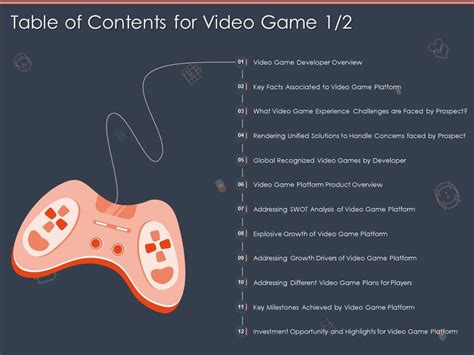
Break down the guide into distinct, easily navigable sections. This often correlates with game progression (e.g., “Chapter 1: The Awakening,” “Area 3: The Sunken City,” “Boss Fight: The Shadow Lord”). Each module should be self-contained, allowing players to jump directly to their point of need without scrolling through irrelevant or spoiler-filled content. Use clear headings and subheadings, and consider a detailed table of contents at the beginning of the guide.
Implementing Clear Spoiler Warnings
This is perhaps the most crucial technique. Any section containing significant plot details, major character revelations, or late-game mechanics that could ruin discovery should be prefaced with an explicit “SPOILER ALERT” warning. For more nuanced situations, a guide might use a system where “Minor Spoilers” are indicated for things like optional quest outcomes, and “Major Spoilers” for critical plot points. These warnings should be prominent and appear before the spoiler material itself.
Phased Information Disclosure
Instead of immediately providing the direct solution, consider a phased approach. Start with a hint, then a more detailed clue, and finally the full answer. This allows players to attempt solving the problem with minimal help, preserving their sense of accomplishment. This can be achieved through:
- Hint sections: A paragraph offering a gentle nudge.
- Puzzle solutions: A step-by-step breakdown, possibly hidden behind a toggle or collapsible element.
- Boss strategies: General tactics first, then specific move sets and weaknesses.
By offering layers of assistance, players can choose how much information they want to consume.

Leveraging Interactive Elements
Modern web guides can benefit immensely from interactive features. Collapsible sections (accordions), spoiler tags that hide text until clicked, or even embedded flowcharts with optional detail views are excellent for managing information flow. Maps can be presented with different layers, allowing players to toggle on/off collectibles, enemy placements, or secret passages. This puts the control firmly in the player’s hands.
Beyond the Structure: Tone and Approach
While structure is paramount, the guide’s tone also plays a vital role. Adopt an encouraging, helpful, and non-judgmental voice. Avoid assumptions about the player’s skill level. Focus on clarity and conciseness, getting straight to the point without excessive fluff. Always proofread for accuracy, as outdated or incorrect information can be more frustrating than no guide at all.

Crafting the Ultimate Player Companion
By meticulously segmenting content, implementing clear spoiler warnings, offering phased information disclosure, and leveraging interactive elements, guide creators can craft resources that truly enhance the gaming experience. The goal is not just to provide answers, but to empower players to discover them, making the journey through any game more rewarding and free from unwanted narrative intrusions. A well-structured guide becomes an indispensable companion, respected for its utility and its respect for the player’s personal adventure.