How to filter gaming news for crucial patch notes, release dates & DLC?
In the vast and ever-expanding universe of video games, staying informed about your favorite titles can feel like an impossible quest. Every day brings a deluge of news, rumors, reviews, and opinion pieces. For dedicated players, however, the truly critical information often gets buried: the game-changing patch notes, the highly anticipated release dates, and the exciting new DLC announcements. Filtering this noise efficiently is key to making the most of your gaming experience.
Conquering the Gaming News Deluge
The sheer volume of gaming content available online can be overwhelming. From major industry events to developer diaries, it’s easy to get lost. The trick isn’t to consume everything, but to strategically target the specific updates that matter most to your gameplay, strategy, and wallet. Let’s explore effective strategies to cut through the noise.

Prioritize Official Channels First
The most reliable and direct source for crucial gaming information will always be the official channels. Developers and publishers want you to know about their updates, so they’ll broadcast them:
- Developer & Publisher Websites: Bookmark the official sites for games you follow. These often have dedicated news sections or blogs where patch notes, release schedules, and DLC details are first posted.
- Official Social Media Accounts: Follow the specific game, studio, or publisher on platforms like Twitter, Facebook, or Instagram. These are excellent for real-time announcements, though sometimes details are summarized and require a click to a full article.
- Email Newsletters: Many game companies offer newsletters. Signing up ensures direct delivery of major updates to your inbox, often with exclusive insights.
- In-Game News Feeds: Don’t overlook the news sections built directly into the game launcher or main menu. Many online games use these to disseminate immediate patch notes and event schedules.
Leverage Reputable Gaming News Sites and Aggregators
While official channels are paramount, dedicated gaming news outlets perform a valuable service by compiling and interpreting information. Choose your sources wisely:
- Specific Game Sites: Some major games have fan-run or officially endorsed websites dedicated solely to their news, often breaking down complex patch notes into digestible summaries.
- Reputable Gaming Publications: Websites like IGN, PC Gamer, GameSpot, Eurogamer, or Polygon often feature comprehensive coverage of major releases and updates. Look for their dedicated sections or use their search functions for specific titles.
- RSS Feeds: If your chosen news sites offer RSS feeds, subscribe to them using an RSS reader. This allows you to centralize news from multiple sources and quickly scan headlines.
- Google Alerts: Set up Google Alerts for “[Game Title] patch notes,” “[Game Title] release date,” or “[Game Title] DLC.” You’ll receive email notifications when new content matching your search terms appears online.

Tap into Community-Driven Resources
Passionate communities can be incredibly effective at sifting through information and highlighting what’s important, often with valuable discussion and analysis.
- Reddit Subreddits: Most popular games have active subreddits. Users frequently post official news, discuss patch changes, and track release dates. Look for “flairs” or dedicated megathreads for critical info.
- Discord Servers: Official and unofficial Discord servers for games are live hubs for discussion. Many have dedicated channels for “announcements,” “patch notes,” or “upcoming content.”
- Fan Wikis & Databases: Comprehensive wikis often update quickly with new information, especially for detailed patch changes affecting game mechanics or item statistics.

Smart Social Media Strategies
Social media can be a double-edged sword: a source of instant updates but also overwhelming noise. Optimize your feed for relevance:
- Create Twitter Lists: Group official game accounts, developers, and trusted journalists into private Twitter lists. This allows you to view a curated feed of only the sources you care about, bypassing general timeline clutter.
- Utilize Mute Features: Don’t hesitate to mute keywords or accounts that consistently post irrelevant content without unfollowing them.
- Engage with Curators: Identify and follow individuals or smaller accounts known for consistently summarizing or sharing crucial game updates in a concise manner.

Tools for Streamlined Information Gathering
Beyond manual checks, several tools can automate or simplify the process of tracking updates:
- Dedicated Gaming Apps: Some platforms (like Steam, Epic Games Store, or console apps) have built-in news sections or wish-list tracking that notify you about updates for games you own or follow.
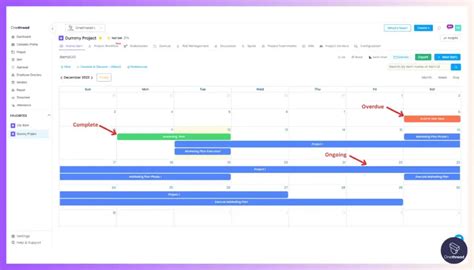
- Calendar Integration: Use your digital calendar (Google Calendar, Outlook Calendar) to mark down confirmed release dates for games and DLC. Many official sites offer “add to calendar” options.
- Browser Extensions: Certain extensions might help aggregate news from specific sites or track changes on developer pages (use with caution and ensure they are reputable).
- News Aggregator Apps: Apps like Feedly (for RSS) or Flipboard can consolidate your gaming news from multiple sources into one clean interface.
Developing Your Personal Routine
The best filtering system is one you consistently use. Decide how often you need to check for updates (daily for an active online game, weekly for a single-player title awaiting DLC) and which handful of sources give you the most bang for your buck. A combination of official channels, one or two trusted news sites, and a relevant subreddit or Discord server often provides a robust information stream.
By adopting a strategic approach and utilizing the right tools, you can transform the daunting task of sifting through gaming news into an efficient and rewarding process, ensuring you’re always ready for the next big update, expansion, or launch day.