How do you keep gaming reviews objective for hype-heavy titles?
The Double-Edged Sword of Anticipation
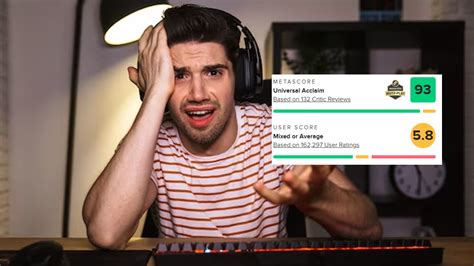
Hype is a powerful force in the video game industry. It builds excitement, fuels communities, and drives pre-orders, creating an almost palpable buzz around upcoming titles. However, this same energy can become a significant challenge for reviewers tasked with providing an objective assessment. When a game has been anticipated for years, dissected frame by frame, and debated endlessly across forums, the pressure to conform to or dramatically defy collective expectations can be immense. So, how do professional gaming critics cut through the noise and deliver a fair, balanced review?

Understanding the Hype Machine’s Influence
Before diving into strategies, it’s crucial to acknowledge the pervasive nature of hype. Marketing campaigns, developer diaries, early access previews, and fan theories all contribute to a pre-release narrative that can shape perceptions long before the game is in players’ hands. Reviewers, as members of the gaming community, are not immune to this environment. The challenge isn’t to be emotionless robots, but to recognize and mitigate the subconscious biases that can arise from this collective fervor. An objective review isn’t about ignoring the excitement, but about ensuring it doesn’t skew the evaluation of the final product.
Strategies for Maintaining Critical Distance
Focus on Fundamentals, Not Fantasy
The core of objective reviewing lies in evaluating what is tangibly present in the game. This means meticulously dissecting gameplay mechanics, technical performance (bugs, framerate, optimization), art direction, sound design, narrative coherence, and overall user experience. Reviewers must assess the game for what it is, not what they or the community wished it would be. This involves setting aside personal desires and focusing on the execution of its stated design goals.
Isolating the Review Experience
To truly evaluate a game objectively, reviewers often need to create a controlled environment. This involves limiting exposure to pre-release fan discussions, speculation, and even other critical opinions. Forming an independent opinion based solely on direct playtime is paramount. This doesn’t mean ignoring context, but rather ensuring the primary assessment comes from firsthand experience.
Sufficient and Diverse Playtime
A comprehensive review demands adequate time with the game. This isn’t just about ‘finishing’ it, but exploring side content, experimenting with different playstyles, and experiencing various scenarios to uncover potential issues or hidden gems. For open-world or RPG titles, this might mean dozens or even hundreds of hours. Additionally, playing the game on hardware accessible to a broad audience (e.g., standard console vs. high-end PC) can provide a more representative experience.
Transparency and Acknowledgment of Bias
Complete objectivity is an ideal, not always a reality. Reviewers are individuals with personal tastes, preferences for genres, and potentially strong attachments to specific franchises. A good reviewer will be transparent about these potential biases. Acknowledging, for instance, a deep love for a particular series while assuring the reader that efforts were made to judge the new installment on its own merits, builds trust and helps the audience contextualize the review.
Beyond the Score: Nuance and Context
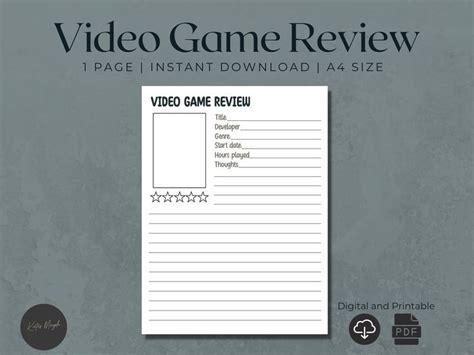
An objective review isn’t just about assigning a number; it’s about providing detailed analysis and context. It explains why certain elements work or don’t work, outlining the game’s strengths and weaknesses without hyperbole. It considers the game within its genre, comparing it to contemporaries where relevant, but always returning to its own merits and flaws. This nuanced approach helps readers understand the full picture, even if their personal takeaway differs from the reviewer’s final verdict.
The Audience’s Role in a Hype Cycle
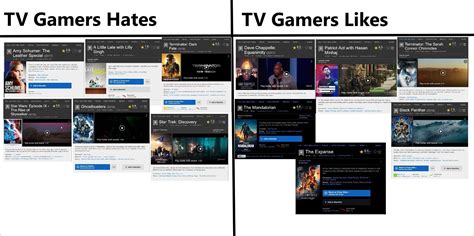
Ultimately, objectivity is a two-way street. While reviewers strive to provide unbiased assessments, audiences also play a role in discerning genuine critique from emotional responses. Readers should seek out reviews from multiple sources, understand the methodology, and look for consistent feedback on core mechanics and technical performance. By doing so, they can form a more informed opinion, cutting through both the pre-release hype and any potential post-launch backlash.
Conclusion: A Continuous Pursuit
Keeping gaming reviews objective for hype-heavy titles is a continuous pursuit, not a static state. It demands discipline, a robust methodology, and a commitment to critical analysis over emotional reaction. While the allure of a highly anticipated game can be intoxicating, the professional reviewer’s duty is to serve as a discerning guide, offering a clear-eyed evaluation that helps players make informed decisions, regardless of the surrounding fervor.