What makes an indie game stand out in a crowded spotlight feature?
The Indie Game Conundrum: Standing Out in the Noise
In the vast, ever-expanding universe of video games, indie titles often represent the purest forms of artistic expression and innovative gameplay. However, this vibrant ecosystem is also incredibly crowded. For an indie game to truly capture attention during a fleeting spotlight feature – be it on a major platform storefront, a gaming news site, or a curated event – it needs more than just a good idea. It demands a deliberate strategy to cut through the din and leave a lasting impression.
Standing out isn’t about shouting the loudest; it’s about resonating deeply. It involves a confluence of factors, from fundamental design choices to the way a game is presented to the world. Developers must consider not just what makes their game fun, but what makes it unforgettable.
The Power of Uniqueness and Innovation
At the core of any standout indie game is a distinctive identity. This isn’t merely about having a niche, but about offering something genuinely novel or executing a familiar concept with an innovative twist. Is your core gameplay loop revolutionary? Does it blend genres in an unexpected yet compelling way? Perhaps it introduces a mechanic never before seen, or subverts player expectations with clever design choices.
Innovation doesn’t always have to be groundbreaking; sometimes, it’s about refinement and polish to an exceptional degree. A game that demonstrates meticulous attention to detail in its mechanics, world-building, or character interactions often speaks volumes about the passion behind it, drawing players into its unique vision.
Compelling Visuals and Auditory Experience
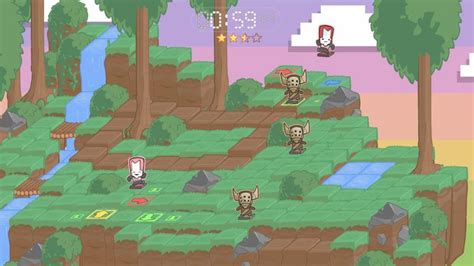
First impressions are paramount. A spotlight feature offers a brief window to hook potential players, and often, what they see and hear first dictates whether they delve deeper. This means a distinctive art style that is both appealing and cohesive is crucial. Whether it’s pixel art, hand-drawn aesthetics, or a unique 3D rendering, the visuals should immediately convey the game’s personality and atmosphere.
Equally important is the sound design and musical score. Evocative soundtracks, satisfying sound effects, and well-crafted voice acting can elevate the emotional impact and immersion dramatically. A high-quality trailer, featuring excellent pacing, crisp visuals, and a strong audio mix, is arguably the most vital tool for making a strong initial impact.
A Narrative or Emotional Hook
Beyond mechanics and aesthetics, a game that stands out often has a strong emotional core or a captivating narrative. This could be a deeply personal story, a mystery that begs to be unraveled, or a theme that resonates universally. Players often seek experiences that challenge their perspectives, evoke strong emotions, or provide a sense of wonder and discovery.
Even games without explicit narratives can achieve this through atmosphere, environmental storytelling, or clever thematic elements embedded in the gameplay. A game that makes players feel something – joy, dread, curiosity, triumph – is far more likely to be remembered and shared.
Developer Personality and Community Engagement
In the indie space, the developers themselves often become part of the game’s appeal. Authenticity, transparency, and genuine passion from the creators can forge a strong connection with an audience. Actively engaging with the community, sharing development insights, and being responsive to feedback can turn casual observers into loyal advocates.
A spotlight feature is not just about the game; it’s also an opportunity to introduce the creative minds behind it. Demonstrating a clear vision and a commitment to quality can inspire trust and excitement, making potential players feel invested not just in the product, but in the journey of its creation.

Strategic Presentation and Polish
Finally, even the most innovative and beautiful game needs to be presented effectively. This means having a polished, bug-free demo or vertical slice that accurately represents the full experience. Marketing materials – screenshots, key art, and press kits – must be professional and consistent. The messaging around the game should be clear, concise, and highlight its unique selling points.
During a spotlight, every element, from the game’s description to its chosen screenshots, must work in harmony to convey its essence quickly and compellingly. A well-prepared developer who can articulate their game’s vision and passion will significantly enhance its chances of capturing the audience’s imagination.
Conclusion
Making an indie game stand out in a crowded spotlight feature is a multifaceted challenge that requires more than just raw talent. It demands a holistic approach, blending genuine innovation and aesthetic appeal with compelling emotional engagement, transparent developer communication, and meticulous presentation. By focusing on these key areas, indie developers can not only grab attention but also build a lasting connection with players, ensuring their unique vision truly shines.