Indie dev: What key game details best boost spotlight visibility for player discovery?
Navigating the Crowded Indie Landscape for Maximum Visibility
In the vast and ever-expanding universe of indie games, standing out can feel like an insurmountable challenge. Thousands of titles launch every year, all vying for the precious attention of players. For indie developers, understanding which game details to emphasize and refine is critical for boosting spotlight visibility and, ultimately, driving player discovery. It’s not just about making a great game; it’s about effectively communicating its greatness.
The Power of Your Store Page Description
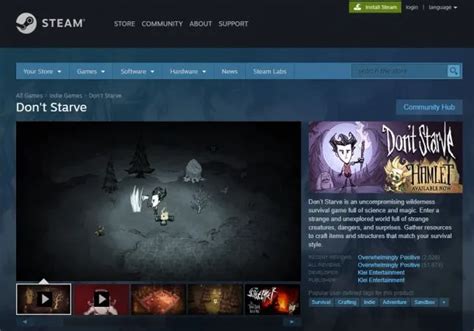
Your game’s store page is its most crucial marketing real estate. The description is your elevator pitch, your sizzle reel in text form. It needs to be concise, captivating, and immediately convey what makes your game special. Focus on your game’s genre, core mechanics, unique selling points (USPs), and target audience within the first few sentences. Use strong, action-oriented language and break up text with bullet points for readability. Integrating relevant keywords naturally will also aid in search engine optimization on platforms like Steam, Epic Games Store, or console marketplaces.
Visuals That Convert: Trailers & Screenshots
Humans are visual creatures, and nowhere is this more true than in game discovery. A compelling trailer is arguably the single most important asset. It should ideally be 60-90 seconds long, showcasing gameplay, key features, unique art style, and a taste of the game’s atmosphere or narrative hooks. Start with a bang, maintain momentum, and end with a clear call to action (e.g., ‘Wishlist Now!’). High-quality, diverse screenshots are also essential. They should highlight different aspects of gameplay, environments, and character designs, giving players a deeper glimpse without spoilers. Avoid UI-heavy shots or anything that looks unpolished.
Highlighting Unique Selling Points (USPs)
What makes your game genuinely different? Is it an innovative mechanic, a never-before-seen art style, a deeply emotional story, or a unique blend of genres? Clearly identifying and articulating these USPs is vital. Don’t just list features; explain how they create a unique player experience. This is what will differentiate your game from the competition and give content creators, journalists, and players a clear hook to latch onto and talk about. Incorporate these USPs prominently in all your marketing materials, from your store page to your social media posts.
Engaging with Your Audience & Community
Visibility isn’t just about pushing information out; it’s about building relationships. Engaging with your community on social media, Discord, Reddit, and development blogs can create powerful organic visibility. Share development updates, solicit feedback, and interact authentically. This builds a loyal following eager to support your game, spread the word, and potentially even beta test. Player engagement shows platforms that your game has an active community, which can sometimes influence algorithms for greater exposure.

The Role of Demos and Playtests
For many players, the ultimate detail is the ability to actually play the game. Offering a well-polished, representative demo, particularly during festivals or key promotional periods, can significantly boost wishlist conversions and generate buzz. Demos allow players to experience your USPs firsthand, building confidence and excitement. Similarly, structured playtests, even closed ones, provide invaluable feedback to refine your game and help identify what truly resonates with potential players, ensuring your public-facing details are as strong as possible.
Conclusion: Iterate and Communicate Effectively
Boosting spotlight visibility for player discovery is an ongoing process of refinement and effective communication. It’s about meticulously curating every detail presented to the public, from the words on your store page to the frames of your trailer, and constantly iterating based on feedback and market trends. By focusing on compelling descriptions, high-quality visuals, clear USPs, robust community engagement, and accessible demos, indie developers can significantly increase their chances of being discovered by the players who will love their games.