How to effectively VOD review competitive gameplay for maximum skill improvement?
Unlocking Your Potential: Why VOD Reviewing is Essential
In the high-stakes world of competitive gaming and esports, the difference between a good player and a great player often comes down to their ability to learn and adapt. While simply playing more games can build muscle memory, true skill improvement, especially at higher ranks, demands a more analytical approach. This is where Video On Demand (VOD) reviewing becomes an indispensable tool. It’s not just about re-watching your gameplay; it’s about dissecting every decision, movement, and interaction to identify weaknesses, reinforce strengths, and uncover patterns that are invisible in the heat of the moment.
Many players skip this critical step, believing that hours spent grinding are enough. However, without focused analysis, mistakes are often repeated, and optimal strategies remain undiscovered. Effective VOD review transforms raw playtime into structured learning, providing a roadmap for targeted practice and exponential growth.
Setting the Stage: Preparation for an Effective Review
Before you even hit play, proper preparation can significantly enhance the effectiveness of your VOD review session. Don’t just pick any game; select matches that are particularly insightful. This could be a game where you felt overwhelmed, made critical mistakes, or even one where you performed exceptionally well but want to understand why. Ensure you have a quiet environment, a comfortable setup, and tools for note-taking, whether that’s a physical notebook or a digital document.
Crucially, define a clear objective for each review. Are you focusing on your positioning in team fights? Your early game decision-making? Your resource management? Having a specific goal prevents aimless watching and guides your analysis, making the process much more efficient and productive.
The Analytical Deep Dive: What to Look For
First Pass: Overview and General Feelings
Begin by watching the entire VOD through once, without pausing. Treat it as a fresh viewing, paying attention to your initial reactions and general flow. Were you tilting? Did you feel confident? This helps contextualize your in-game mental state and how it might have impacted your performance. Make mental notes of key moments, but resist the urge to pause or overanalyze at this stage.
Second Pass: Detailed Deconstruction and Key Moments
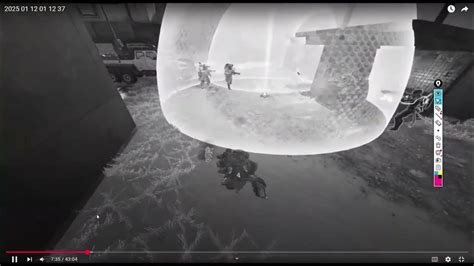
This is where the real work begins. Watch the VOD again, this time with a critical eye, ready to pause, rewind, and slow down playback. Focus on your predetermined objective. Ask yourself specific questions at every significant moment:
- Decision-Making: Why did I do that? What were the alternatives? What information did I have, and did I use it correctly?
- Positioning: Was I in the safest or most advantageous spot? Could I have accessed more information or applied more pressure from a different location?
- Mechanics: Were my abilities used efficiently? Did I hit my shots? Could my combos have been executed more cleanly?
- Awareness: Was I tracking enemy cooldowns, map movements, and objectives? Did I respond appropriately to pings or call-outs?
- Team Play: How well did I communicate with my team? Did I synchronize my actions effectively with theirs? Was I enabling my teammates or hindering them?
Pay particular attention to deaths, missed opportunities, and moments where you felt lost. Often, the biggest learning opportunities lie in these critical junctures.

Transforming Observations into Actionable Insights
Simply identifying mistakes isn’t enough; you must translate them into tangible steps for improvement. This is where your note-taking becomes invaluable. For each identified area of weakness, formulate a specific, measurable, achievable, relevant, and time-bound (SMART) action plan.
Instead of “I need to stop dying so much,” aim for “In the early game, I will actively check the mini-map every 5 seconds to track enemy jungler movements and avoid overextending in lane when they are nearby.” Or, instead of “My aim is bad,” try “I will dedicate 15 minutes before each play session to an aim trainer focusing on tracking exercises, specifically for targets moving perpendicular to me.”
Categorize these insights: things to stop doing, things to start doing, and things to continue doing but improve upon. This structured approach helps in prioritizing what to practice first.
The Iterative Cycle: Practice, Re-evaluate, Repeat
VOD reviewing is not a one-time event; it’s a continuous cycle. Once you’ve gathered your actionable insights, it’s time to put them into practice during your actual gameplay. Consciously try to implement the changes you identified. Don’t be discouraged if you don’t see immediate results; breaking old habits and forming new ones takes time and deliberate effort.
After implementing your changes, record more gameplay and repeat the VOD review process. Did the previous issues disappear? Have new ones emerged? How did your conscious efforts impact your performance? This iterative feedback loop is crucial for sustained improvement. Consider reviewing VODs with a coach or a more experienced player, as they can often spot nuances you might miss and provide an external perspective.
Conclusion: The Path to Consistent Growth
Effective VOD reviewing is a powerful habit that separates casual players from dedicated competitors. It offers an unparalleled opportunity for self-assessment and targeted improvement, allowing you to learn from every game, regardless of the outcome. By embracing a structured, analytical approach to your gameplay footage, you’re not just playing; you’re actively studying, adapting, and continuously sharpening your skills. Make VOD review a cornerstone of your competitive routine, and watch your understanding of the game and your personal performance reach new heights.