What makes an indie game stand out for a Spotlight feature, ensuring discoverability?
In the vast and ever-expanding universe of indie games, gaining visibility is often the biggest hurdle after development. A coveted ‘Spotlight feature’ from platforms, media outlets, or influential curators can be a game-changer, propelling a title from obscurity to widespread recognition. But what exactly catches the eye of these gatekeepers? It’s a blend of unique vision, meticulous execution, and strategic presentation.
The Power of a Unique Concept and Vision
At the heart of every standout indie game is a compelling idea that dares to be different. This isn’t just about novelty; it’s about a unique take on a genre, an innovative mechanic, or a fresh narrative perspective that captivates and intrigues. Games that simply mimic existing successes rarely grab headlines. Instead, those that push boundaries, subvert expectations, or explore untouched themes are the ones that resonate deeply and offer a memorable experience.

Originality in Gameplay Mechanics
Is there a core gameplay loop or interaction that players haven’t seen before, or at least not executed in this particular way? Innovative mechanics can redefine genres, creating entirely new ways for players to engage. Think of games that introduce novel physics, time manipulation, or unconventional control schemes that become central to the experience.
Artistic Excellence and Distinctive Style
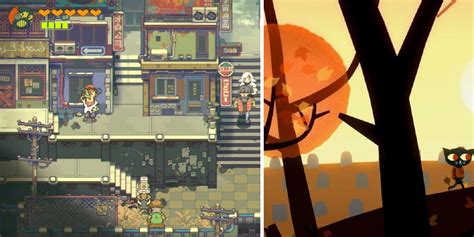
While AAA titles often chase hyper-realism, indie games thrive on distinctive art direction. A strong, consistent, and unique visual style can instantly make a game recognizable. This doesn’t necessarily mean high fidelity; it means a cohesive aesthetic that complements the game’s themes and mood, whether it’s pixel art, hand-drawn animation, a striking minimalist approach, or a vibrant 3D world with a unique shader.
Sound Design and Music as Storytellers
Beyond visuals, exceptional audio design and an evocative soundtrack can dramatically enhance a game’s atmosphere and emotional impact. Music can become iconic, and well-crafted sound effects can provide crucial feedback and immersion, elevating the overall player experience to a level that demands attention.
Polish, Performance, and Player Experience
Even the most brilliant concept can fall flat if the game is buggy, poorly optimized, or frustrating to play. A spotlight feature often implies a recommendation, and curators are less likely to highlight a game that isn’t stable and polished. This includes intuitive UI/UX, smooth performance across target platforms, and a general sense of care in every detail.

Compelling Narrative and World-building
For story-driven games, a compelling narrative, well-developed characters, and rich world-building are paramount. A story that evokes strong emotions, presents thought-provoking dilemmas, or offers a truly immersive world can be incredibly powerful in capturing interest and fostering a dedicated player base. Even games with minimal narratives can excel through emergent storytelling provided by their systems.
Community Engagement and Marketing Savvy
A great game alone isn’t always enough; visibility often requires proactive effort. Developers who actively engage with their community, maintain transparent development logs, participate in events, and have a clear marketing strategy significantly improve their chances. This includes having a strong press kit, engaging social media presence, and a clear understanding of their target audience.
The Importance of a Strong Demo or Vertical Slice
Providing a polished, representative demo or a compelling vertical slice is crucial for enticing curators and journalists. This playable snippet allows them to experience the game’s core strengths firsthand, demonstrating its potential and quality without requiring a full playthrough. It’s often the first impression, and it needs to be impactful.
Standing Out in the Crowd
Ultimately, an indie game stands out for a spotlight feature when it presents a cohesive, high-quality package that combines originality, artistic merit, technical polish, and effective communication. It’s about more than just being a ‘good game’; it’s about being a game that tells a unique story, offers a distinct experience, and demonstrates the passion and dedication of its creators in every facet. Curators seek games that will resonate with their audience, offer a fresh perspective, and reflect the innovation that indie development is celebrated for. By focusing on these elements, indie developers can significantly enhance their game’s discoverability and earn the spotlight it deserves.