Effective team comms for climbing competitive esports ranks faster?
The Unseen Advantage: How Communication Elevates Your Esports Game
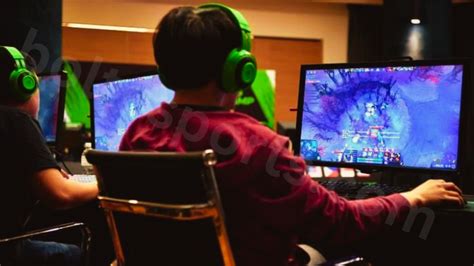
In the high-stakes world of competitive esports, individual skill is undeniably crucial, but it’s the seamless integration of a team that often separates champions from contenders. At the heart of this integration lies effective communication. While aiming and mechanics might win skirmishes, superior communication wins entire matches, propelling teams up the ranked ladder at an accelerated pace. This article will delve into the critical aspects of team communication, revealing how to harness its power to climb competitive esports ranks faster.

Building a Unified Voice: Clarity, Conciseness, and Timing
Effective communication isn’t just about talking; it’s about conveying vital information efficiently. Every word spoken in a competitive match should serve a purpose. Calls need to be clear, avoiding jargon or slang that only a few understand, and free from emotional outbursts. Conciseness is paramount – long-winded explanations waste precious seconds. Practice distilling complex situations into short, actionable phrases. “Enemy top lane, no flash” is far more effective than “I think I saw the enemy up top, and it looked like they didn’t have their flash ability ready.”
Timing is the third pillar. Information delivered too late is useless, and information delivered too early might be forgotten or become irrelevant. Learn to anticipate when your teammates need specific intel and deliver it precisely at that moment. This often comes with experience and a deep understanding of your game’s flow.

Strategic Comms: Pre-Game to Mid-Game Adaptations
Communication starts long before the match begins. Pre-game discussions should establish general strategies, pick/ban priorities, and role assignments. This sets a foundational understanding. Once in-game, communication shifts dynamically. Early game comms might focus on lane matchups, jungle tracking, and initial objectives. As the game progresses, calls will evolve to coordinate rotations, objective contests (like dragons or barons), and team fight engagements.
Crucially, effective teams communicate not just what they see, but also what they plan to do. “I’m going to push this wave then rotate mid” gives teammates crucial information to adjust their own plays. Proactive communication minimizes misplays and maximizes collective opportunities, creating synergistic plays that are hard to counter.
Mastering Callouts: The Language of Competitive Play
Specific, standardized callouts are the backbone of rapid information exchange. These might include:
- Enemy Locations: “Enemy mid,” “Bot lane back.”
- Ability Cooldowns: “My ult in 10,” “Enemy flash down.”
- Objective Status: “Baron contestable,” “Dragon respawns in 30.”
- Pings and Intent: Using in-game pings effectively to supplement voice comms, such as attack pings on specific targets or warning pings for dangers.
Beyond individual pieces of information, teams need to develop a shared language for complex situations. For example, a pre-agreed “go” call for a dive or a “back” call for a disengage. This reduces ambiguity and allows for lightning-fast decision-making under pressure. Regularly review your team’s callouts to ensure everyone is on the same page and to identify areas for improvement.

Beyond Mechanics: Emotional Intelligence and Constructive Feedback
Communication isn’t purely tactical; it’s also deeply psychological. Maintaining a positive and constructive tone, even during stressful moments, is vital for team morale. Avoid blame games, negative reinforcement, or excessive complaining. Instead, focus on problem-solving. If a mistake happens, quickly identify what went wrong and how to prevent it next time, rather than dwelling on the error itself.
Post-game analysis offers a golden opportunity for constructive feedback. Review replays together, discuss communication breakdowns, and identify ways to improve. This creates a culture of continuous improvement where every player feels comfortable giving and receiving honest, helpful feedback, fostering trust and cohesion.

Practice Makes Perfect: Integrating Comms into Training
Just like mechanical skill, communication is a skill that must be practiced deliberately. Dedicate portions of your training sessions specifically to communication drills. This could involve:
- Playing scrims with a focus solely on comms, even if it means sacrificing some in-game performance initially.
- Running “silent” games to highlight how much information is lost without verbal cues, then replaying with comms to see the difference.
- Recording and reviewing your comms to identify weaknesses like talking too much, not enough, or being unclear.
Regular practice helps solidify shared understanding, refines callouts, and builds the muscle memory for effective communication under pressure. Over time, these deliberate efforts will transform your team’s ability to coordinate, react, and execute, making your climb through the ranks not just faster, but more enjoyable and consistent.
Conclusion: The Ultimate Rank Accelerator
In the complex dance of competitive esports, individual brilliance can shine, but it’s the symphony of a well-oiled team that truly conquers. Effective communication is the conductor of that symphony – guiding strategies, mitigating mistakes, and amplifying collective strengths. By prioritizing clarity, conciseness, timely information, mastering specific callouts, fostering emotional intelligence, and diligently practicing, your team will unlock its full potential. Embrace communication as your ultimate weapon, and watch as your journey up the competitive esports ranks accelerates like never before.