How can indie devs ensure their game stands out for an Indie Spotlight feature?
Making Your Indie Game Shine in a Crowded Market
In the vast and ever-growing landscape of independent game development, gaining visibility is often as challenging as creating the game itself. An Indie Spotlight feature can be a game-changer, providing invaluable exposure to a wider audience and potential players. But with countless incredible titles vying for attention, how can your game truly stand out? It boils down to a strategic blend of creativity, polish, and effective communication.
Cultivate a Truly Unique Concept and Niche
Originality is paramount. While drawing inspiration from existing titles is natural, a game that merely imitates will struggle to leave a lasting impression. Focus on a core concept that feels fresh, innovative, or tackles a familiar genre in an unexpected way. What makes your game truly different? Is it an untold story, a never-before-seen mechanic, or a unique artistic vision? Identifying and honing this unique selling proposition (USP) is the first step to being unforgettable.
Furthermore, consider your niche. While broad appeal is tempting, sometimes a strong, specific niche can lead to a more dedicated audience and easier identification by curators looking for diverse content. Embrace what makes your game distinct, even if it targets a smaller, passionate segment of players.
Prioritize Visual and Audio Polish
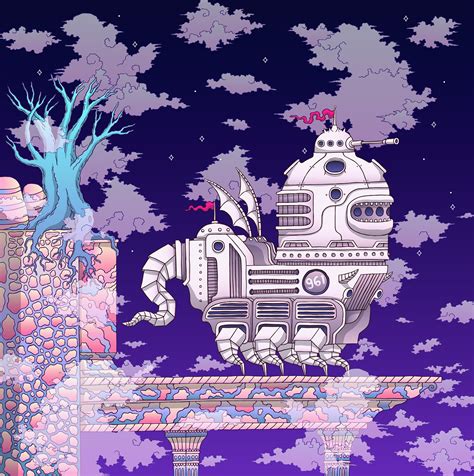
First impressions are critical. Even if your gameplay is revolutionary, a lack of polish in visuals and audio can deter potential players and curators. Invest time and resources into ensuring your game’s art style is consistent, appealing, and executed to a high standard. This doesn’t necessarily mean photorealism; a strong, unique pixel art style or minimalist aesthetic can be just as impactful if done well.
Equally important is sound design. High-quality music, compelling voice acting (if applicable), and satisfying sound effects elevate the player experience and demonstrate attention to detail. A game that looks good and sounds great immediately conveys professionalism and passion, signaling that it’s worth a closer look.
Craft a Compelling Narrative and Engaging Gameplay Loop
Beyond aesthetics, the heart of your game lies in its narrative and gameplay. Does your game tell an interesting story, pose intriguing questions, or offer a deep, satisfying lore? A strong narrative can hook players and keep them invested. If your game is more gameplay-focused, ensure its core loop is intuitive, rewarding, and offers enough depth to encourage prolonged engagement. Innovative mechanics, clever puzzles, or a fresh take on established systems can all contribute to a standout experience.
Regular playtesting and iteration are vital here. Solicit feedback from diverse groups, including those unfamiliar with your game, to identify areas for improvement in both story progression and gameplay mechanics. A refined, enjoyable experience is what ultimately keeps players coming back and earns positive recommendations.
Master Your Communication and Presentation
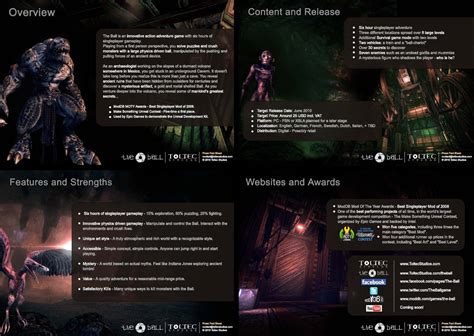
Having an amazing game isn’t enough if no one knows about it. Effective communication and presentation are key to catching the eye of curators and media. Develop a professional press kit that includes high-resolution screenshots, a concise summary, key features, a short developer bio, and links to your social media and website. Your trailer should be polished, showcasing your game’s best moments and unique selling points within the first few seconds.
Practice your elevator pitch: Can you explain what your game is about and why it’s special in just a few sentences? Maintain an active and professional presence on social media, engaging with your community and sharing development updates. A well-prepared demo, either public or private for media, allows others to experience your game firsthand, which is often the most convincing tool.
Build Community and Generate Early Buzz
Long before launch, cultivate a community around your game. Engage with players on platforms like Discord, Twitter, or Reddit. Share development insights, answer questions, and build anticipation. Participating in game jams, online showcases, and smaller festivals can help you gain early feedback and start building a following. When you approach curators for an Indie Spotlight, a game with existing buzz and an active, passionate community demonstrates a proven appeal.
Show your passion! Your enthusiasm for your project is contagious. When you genuinely believe in your game and can articulate why it’s special, that passion resonates with others and makes your game more memorable.
Conclusion
Getting your indie game featured in an Indie Spotlight is a testament to both your creative vision and your strategic efforts. By focusing on a truly unique concept, delivering a highly polished visual and audio experience, crafting compelling gameplay, mastering your communication, and fostering an engaged community, you significantly increase your chances of not just being noticed, but truly standing out from the crowd. It requires dedication, but the rewards of expanded visibility and a growing player base make it an endeavor well worth pursuing.