How do we balance spoiler warnings with essential game walkthrough details for new players?
The Delicate Art of Guiding Without Ruining
For many new players diving into a complex game, a well-crafted guide can be a lifeline. It can demystify mechanics, solve perplexing puzzles, or simply point them towards the next objective. However, the very act of providing help often treads on dangerous ground: spoilers. The core challenge for any guide writer is to provide essential information without inadvertently stripping away the thrilling experience of discovery that makes gaming so rewarding. This article explores strategies to achieve this crucial balance.
Understanding the Core Conflict: Help vs. Discovery
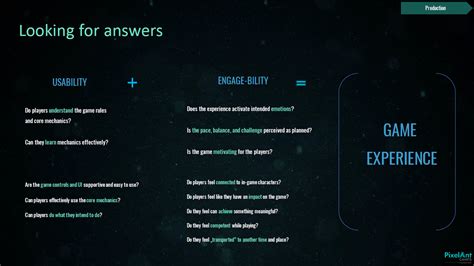
The dilemma stems from two fundamental player desires. On one hand, players seek guidance to overcome frustrating roadblocks, understand intricate systems, or ensure they haven’t missed crucial items. They want an efficient path to progress and success. On the other hand, a significant part of gaming enjoyment comes from uncovering secrets, experiencing narrative twists, and figuring out challenges independently. A guide that prematurely reveals plot points, boss strategies, or secret areas can diminish this sense of accomplishment and surprise.

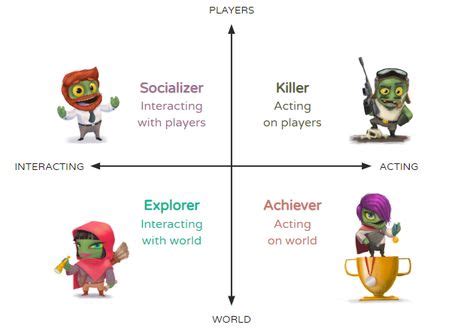
New players aren’t a monolith; their needs vary. Some want bare-bones assistance, only looking for help when truly stuck. Others might seek a comprehensive walkthrough to ensure 100% completion on their first run. A truly effective guide must cater to this spectrum, offering layers of information that can be accessed as needed, rather than thrust upon the reader.
Strategies for Effective Spoiler Management
1. Clear and Consistent Warning Systems
The most straightforward approach is to implement prominent spoiler warnings. These should appear at the very beginning of a guide, outlining its general spoiler policy (e.g., “This guide contains story spoilers past Chapter 3”). Additionally, specific sections that delve into major plot points, secret areas, or complex boss mechanics should be prefaced with a clear warning: “SPOILER ALERT: Major Story Event Ahead!” or “Optional Content & Secret Revealed!” Consistency is key; players should learn to trust your warning system.
2. Progressive Disclosure and Layered Information
Instead of an all-or-nothing approach, structure guides to reveal information progressively. Consider these methods:
- Section-based Organization: Divide the guide into logical chapters or missions, allowing players to jump directly to where they are without seeing future content.
- Collapsible Sections: Utilize HTML elements like
<details>and<summary>(or similar JavaScript functionality) to hide spoiler-heavy content behind a clickable “Show Spoiler” or “Reveal Solution” button. - Separate Paths: Offer an “Essential Path” guide focused purely on progression, and a separate “Completionist/Secrets Guide” for those who want every detail.

3. Focusing on ‘How’ Over ‘What Happens’
When dealing with sensitive areas, prioritize explaining mechanics, strategies, and solutions over explicitly stating plot outcomes or item locations. For example, instead of “The villain reveals they are your father!” try “Prepare for a significant narrative twist during this cutscene.” For puzzles, guide players on the thought process or the type of solution rather than just giving the answer directly. “Look for environmental clues that hint at the correct sequence” is often better than “The code is 1-2-3-4.”
4. Distinguishing Between Essential and Optional Information
Not all information carries the same spoiler weight. Details about basic controls, character stats, or crafting recipes are rarely spoilers. Crucial quest objectives that are part of the main progression might be necessary to mention. However, side quest solutions, optional boss strategies, or the location of every hidden collectible can often be reserved for dedicated spoiler sections or later parts of a comprehensive guide.

Best Practices for Guide Creators
- Know Your Audience: Consider the game’s genre and typical player base. A narrative-heavy RPG demands more caution than a purely mechanical puzzle game.
- Playtest Your Guide: If possible, have someone unfamiliar with the game read your guide to see if any “spoilers” slip through or if the warnings are effective.
- Encourage Feedback: Create a section for comments or questions, allowing players to point out areas where the balance might be off.
- Use Neutral Language: Avoid hyperbole or evocative language that could inadvertently hint at future events.
Conclusion: Enhancing the Gaming Experience
Ultimately, the goal of any guide is to enhance the player’s experience, not diminish it. By thoughtfully employing clear warnings, structuring information progressively, and focusing on empowerment over explicit revelation, guide writers can create invaluable resources. This balanced approach ensures that new players receive the help they need to overcome challenges, while still preserving the magic of discovery and the satisfaction of experiencing a game’s story and secrets for themselves.