How to structure gaming guides for quick answers without sacrificing comprehensive detail?
Creating gaming guides that cater to both the player seeking a rapid solution and the one desiring exhaustive knowledge is a nuanced art. The modern gamer often needs quick answers in the heat of the moment but also values deep dives into mechanics, lore, and optimal strategies. This article explores practical methodologies to structure your gaming guides, ensuring they are both instantly scannable and richly detailed, without compromise.
The Dual Challenge: Speed vs. Depth
The core dilemma in guide creation lies in balancing immediate utility with comprehensive exploration. A player might be stuck on a boss fight and just needs to know its weakness, or they might be looking to master a character’s intricate combos. A poorly structured guide forces both types of players to wade through irrelevant information, leading to frustration. The goal is to design a user experience where information is accessible at multiple levels of detail, catering to varying needs and contexts.

Foundational Principles for Effective Guides
Hierarchical Organization is Key
Effective guide structuring begins with a robust hierarchy. Utilize `
` for major sections (e.g., “Boss Strategies,” “Character Builds”), `
` for sub-sections (e.g., “Phase 1 Tactics,” “Skill Allocation”), and `
` for granular details. This tiered approach allows readers to quickly scan headings and drill down into specific areas of interest without getting lost.
Leverage Navigation and Tables of Contents
` for granular details. This tiered approach allows readers to quickly scan headings and drill down into specific areas of interest without getting lost.
Leverage Navigation and Tables of Contents
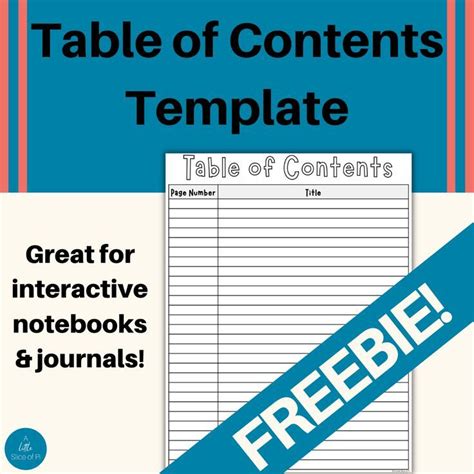
For longer guides, an interactive Table of Contents (TOC) at the top or a sticky sidebar navigation is indispensable. This allows users to jump directly to any section with a single click. Furthermore, liberal use of internal hyperlinks within the content can connect related topics, offering a seamless navigation experience for those who wish to explore further without disrupting their current reading flow.
Strategies for Quick Answers (Scannability)
Front-Load Critical Information
Employ “TL;DR” (Too Long; Didn’t Read) summaries, quick reference tables, or dedicated “Quick Tips” sections at the beginning of each major topic. These condensed nuggets of information provide immediate answers for players in a hurry. For example, a boss guide could start with a box summarizing its weaknesses, recommended gear, and critical mechanics before diving into a paragraph-by-paragraph breakdown.
Use Visual Cues and Formatting
Visual elements significantly enhance scannability. Bold key terms, use bullet points for lists of items or steps, and employ numbered lists for sequential instructions. Callout boxes or shaded sections can highlight critical warnings, pro tips, or common pitfalls. Consistent use of color coding (e.g., green for positive effects, red for warnings) can also aid rapid comprehension.

Implement Search-Friendly Keywords
Think about what players will type into a search bar. Use those exact phrases in your headings and introductory paragraphs. While primarily an SEO consideration, it also helps users quickly locate relevant sections within your guide using their browser’s search function (Ctrl+F or Cmd+F).
Strategies for Comprehensive Detail (Depth)
Contextual Explanations and Examples
Once the quick answer is provided, expand upon it with detailed explanations. Don’t just state “use X ability”; explain why X ability is effective, how it synergizes with other mechanics, and provide specific examples of its application in different scenarios. Step-by-step instructions, complete with screenshots (if applicable), can clarify complex processes.
Expandable Sections and Hyperlinks
For truly extensive details that might overwhelm the casual reader, consider using expandable sections (e.g., accordions or toggle switches) labeled “Read More” or “Advanced Tactics.” This keeps the main content clean while allowing interested readers to delve deeper. Hyperlinks to other related guides, external resources, or even specific in-game wiki pages can also provide additional layers of detail without bloating the current guide.
Appendices, FAQs, and Troubleshooting
Reserve the deepest dives for dedicated sections. An appendix might list all items, stats, or lore entries. A Frequently Asked Questions (FAQ) section can address common confusions. A troubleshooting section is invaluable for addressing bugs, performance issues, or specific challenging scenarios that players often encounter.
The Iterative Process of Guide Creation
Effective guides are rarely created perfectly in a single pass. Solicit feedback from users, observe how they interact with your guide, and iterate on its structure and content. Analytics can reveal which sections are most visited or where users drop off. Regularly update your guides as game patches and new content emerge, ensuring accuracy and continued relevance.

By thoughtfully applying these structural and formatting principles, you can craft gaming guides that serve the diverse needs of your audience. Whether a player needs a split-second tip or a deep understanding of game mechanics, your guide will be equipped to deliver the right information at the right level of detail, making for a truly invaluable resource.