How to effectively review live-service games that constantly evolve?

The Shifting Sands of Live-Service Reviews
Traditional video game reviews often operate on the premise of a static product: a game is released, evaluated, and then the review stands as a definitive assessment. However, the rise of live-service games has fundamentally challenged this model. These titles, built on continuous updates, evolving meta-games, and dynamic content cycles, render a single, launch-day review almost instantly outdated. To effectively review live-service games, critics and journalists must adopt a more fluid and adaptive approach, treating reviews not as final verdicts, but as living documents.
Beyond the Launch Day Snapshot
A live-service game at launch is often merely a foundation upon which a much larger experience will be built. Early impressions, while valuable for initial technical stability and core gameplay loops, cannot predict the trajectory of a game over months or even years. Many titles have stumbled at launch only to become beloved experiences through dedicated post-release support, while others have launched strong only to falter under the weight of poor updates or monetization schemes.
Therefore, relying solely on a launch review is insufficient. Effective live-service evaluation necessitates a strategy that accommodates significant updates, content drops, balance changes, and community engagement. This might involve phased reviews, follow-up articles, or even a ‘living score’ model, all designed to reflect the game’s ongoing evolution.
Key Methodologies for Dynamic Evaluation
Embrace the “Living Document” Mindset
Acknowledge from the outset that the review is a snapshot in time. Reviewers should be prepared to revisit and update their assessments as the game evolves. This doesn’t necessarily mean changing a numerical score (though some publications do), but rather adding addendums, publishing follow-up pieces, or even creating a series of reviews that track the game’s development.
Focus on Core Fundamentals
While content changes, certain elements typically remain constant: the core gameplay loop, artistic direction, foundational technical performance (though this can improve), and narrative intent. These ‘evergreen’ aspects should form a significant part of the initial review, providing a stable anchor point for subsequent evaluations.
Evaluate the Service, Not Just the Game
The “service” in live-service is critical. This includes developer communication, transparency about roadmaps, responsiveness to community feedback, server stability, and the overall health of the player base. A brilliant game can be ruined by poor service, and a mediocre one can thrive on excellent support.

Track Evolution and Provide Context
A good live-service review should provide historical context. What was the game like at launch? What significant changes have occurred? How have these changes impacted the player experience? This helps readers understand the journey of the game and the reasoning behind current assessments.
Transparent Stance on Monetization
Monetization models (battle passes, cash shops, expansions) are integral to live-service games. Reviews must thoroughly analyze their fairness, impact on gameplay, and whether they feel exploitative or additive. Transparency about how these systems work and their effect on the player experience is paramount.

Structuring the Evolving Review
-
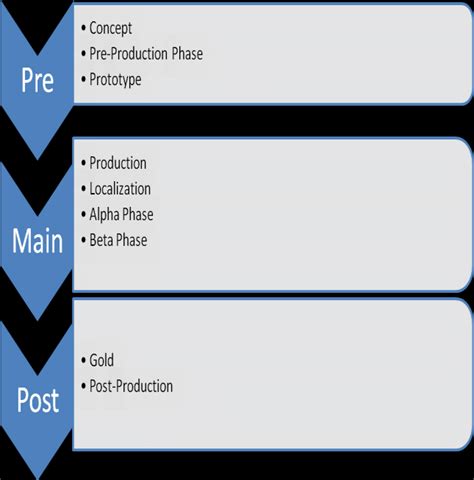
Initial Launch Review
Covers the game’s state at release, focusing on core mechanics, technical stability, initial content offerings, and first impressions. Clearly state this is a review of the launch version and that the game is expected to evolve.
-
Major Update Reviews/Addendums
Dedicated pieces or substantial updates to the original review whenever significant patches, expansions, or content seasons drop. These should detail new features, balance changes, and how they alter the overall experience.
-
Long-Term Re-evaluations
Periodic revisits (e.g., 6 months, 1 year post-launch) to assess the game’s sustained appeal, developer commitment, community health, and how it stacks up against its original vision or evolving genre standards.
The Importance of Transparency
Transparency is the cornerstone of credible live-service reviews. Reviewers must clearly communicate their methodology, the specific version of the game being reviewed, and any potential biases or limitations. Managing reader expectations about the dynamic nature of these games is crucial; a review is not a static pronouncement but a part of an ongoing dialogue.
Reviewers should also disclose if their assessment might change in the future and encourage readers to engage with the game’s evolution alongside their critiques. This fosters trust and provides a more realistic perspective on a constantly moving target.
An Ongoing Dialogue
Reviewing live-service games effectively means accepting that there is no single, final review. It’s an ongoing process, a continuous assessment that mirrors the games themselves. By adopting flexible methodologies, focusing on both core foundations and dynamic updates, and maintaining complete transparency, reviewers can provide invaluable guidance to players navigating the ever-changing landscapes of these persistent digital worlds.