How to guide gamers to write impactful, helpful user reviews for game titles?

The Power of Player Voices: Why Great Game Reviews Matter
User reviews are the lifeblood of the gaming community, serving as critical touchpoints for potential buyers and invaluable feedback loops for developers. Yet, not all reviews are created equal. Many fall short, offering vague sentiments or personal rants rather than constructive insights. Guiding gamers to articulate their experiences effectively transforms these often-underutilized platforms into powerful tools that benefit everyone involved.
An impactful review isn’t just about expressing an opinion; it’s about providing context, analysis, and helpful information. It helps fellow players make informed purchasing decisions, discover hidden gems, or even avoid games that aren’t a good fit. For developers, well-crafted feedback can illuminate strengths, expose weaknesses, and inform future updates or game designs. The question then becomes: how do we empower the vast ocean of gamers to channel their passion into truly beneficial critiques?

Core Principles of an Impactful Game Review
At its heart, an impactful review is balanced, specific, and provides context. It moves beyond simple “good” or “bad” judgments to explain why certain aspects work or don’t. Here are the foundational principles:
- Specificity is Key: Instead of saying “the gameplay is fun,” explain what makes it fun. Is it the tight controls, the innovative combat system, or the satisfying progression? Provide examples.
- Balance and Nuance: Every game has strengths and weaknesses. A truly helpful review acknowledges both, presenting a balanced perspective. Even if a game isn’t for you, highlight what it might appeal to others.
- Provide Context: Reviewers should briefly state their own experience level (e.g., “I primarily play RPGs,” “I’m new to the genre,” “I’ve played 100+ hours”). This helps readers understand the lens through which the review is written.
- Consider the Audience: Who is reading this review? What information would they find most useful? Focus on elements that would influence a purchasing decision for a broad audience, while still being true to your experience.
Dissecting the Game: Essential Elements to Address
To ensure comprehensive coverage, guide reviewers to consider specific aspects of a game. A structured approach helps gamers remember crucial points:
Gameplay and Mechanics
This is often the core of a game. Discuss controls, combat systems, movement, puzzles, level design, difficulty, and overall engagement. How intuitive or challenging is it? Does it feel rewarding?
Story, Lore, and Characters
For narrative-driven games, delve into the plot, character development, world-building, and pacing. Was it compelling? Did the characters resonate? (Remind about spoiler warnings!)
Graphics, Art Style, and Sound Design
Comment on the visual fidelity, aesthetic choices, and how they contribute to the game’s atmosphere. Evaluate the soundtrack, sound effects, and voice acting. Do they enhance the experience or detract from it?

Technical Performance and Stability
Crucial for many. Does the game run smoothly? Are there frequent bugs, crashes, or optimization issues? Frame rates, loading times, and platform performance (PC, console) are all important.
Replayability and Value
Is there content beyond the main campaign? New Game+, multiplayer, mod support, or collectibles? Is the price justified by the amount and quality of content? Discuss DLC or monetization if applicable.
Crafting Constructive Criticism and Polished Reviews
Beyond content, the manner in which feedback is delivered significantly impacts its utility. Encourage gamers to adopt a constructive mindset:
- Be Respectful and Objective: Criticize the game, not the developers or other players. Personal attacks or vitriol undermine the review’s credibility.
- Explain the “Why”: Don’t just state a problem; explain why it’s a problem for you and, if possible, suggest how it might be improved. “The UI is clunky” is less helpful than “The UI’s small font and excessive sub-menus make inventory management frustrating during combat.”
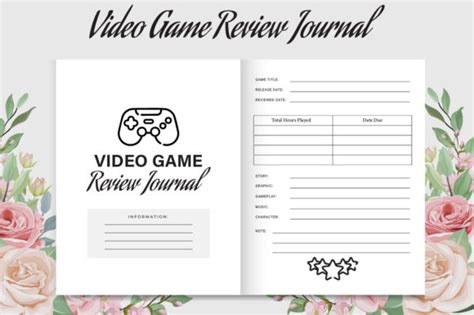
- Proofread and Format: A well-written, error-free review is easier to read and taken more seriously. Use paragraphs, bullet points, and clear headings to improve readability.
- Avoid Spoilers (or Warn Clearly): If critical plot points must be discussed, use explicit spoiler warnings.
Empowering the Community: Platforms and Practices
Guiding gamers isn’t solely about individual effort; platforms and communities play a vital role in encouraging quality reviews.
- Platform Features: Game stores and review sites can implement features like “Was this review helpful?” buttons, reviewer badges, or even templates/prompts that guide users to cover essential points.
- Highlighting Exemplary Reviews: Regularly showcasing well-written, insightful reviews can set a standard and inspire others.
- Community Moderation: Encourage community members to report unhelpful or abusive reviews, fostering a positive environment.
- Educational Resources: Provide concise guidelines or video tutorials on “how to write a good game review” directly on review platforms.
Conclusion: The Collective Power of Thoughtful Feedback
When gamers are equipped with the knowledge and tools to write impactful, helpful reviews, the entire ecosystem benefits. Players gain clearer insights, developers receive actionable feedback, and the gaming community becomes a more informed and constructive space. By focusing on specificity, balance, and respectful communication, we can elevate the quality of user-generated content and truly unleash the collective power of player voices.