For gaming guides, how do we balance in-depth detail with quick, actionable answers?
Creating a truly effective gaming guide is an art form, especially when faced with the inherent tension between exhaustive detail and rapid usability. Players often fall into one of two camps: those who want a quick solution to a specific problem (e.g., ‘how do I beat this boss?’) and those who crave a deep understanding of game mechanics, lore, and optimal strategies for full completion. The challenge for guide creators is to cater to both without overwhelming the former or underserving the latter.
Understanding the Player’s Journey
Before designing a guide, it’s crucial to empathize with the player. A player stuck on a puzzle doesn’t want to wade through pages of backstory; they need a direct hint or solution. Conversely, a completionist planning their optimal build or seeking every secret will appreciate the granular data. A good guide anticipates these varied needs, often even within the same player at different stages of their gameplay.
Strategies for Quick, Actionable Answers
To serve the player seeking immediate help, guides should employ several structural and presentation techniques:
- Summary Boxes/TL;DR: Begin sections or complex explanations with a concise summary that provides the essential steps or answers upfront.
- Bolded Keywords and Headings: Use clear, descriptive headings and bold key information within paragraphs to allow for quick scanning.
- Numbered/Bullet Point Lists: Break down complex processes into easy-to-follow steps.
- Jump Links/Table of Contents: For longer guides, an interactive table of contents allows players to quickly navigate to their specific pain point.
- Visual Cues: Incorporate screenshots, GIFs, or short video clips where a visual explanation is faster than text.
Integrating In-Depth Detail Seamlessly
While quick answers are vital, the depth is what often elevates a guide from merely functional to truly comprehensive. Here’s how to include extensive information without cluttering the immediate answers:
- Layered Information: Present core information first, then offer ‘expandable’ sections (e.g., ‘Click for advanced strategy,’ ‘See full stats breakdown’) for those who want more.
- Dedicated Sections: Create separate sections or appendices for lore, advanced mechanics, optimal builds, statistics, or Easter eggs that don’t directly impede progression.
- Contextual Links: Link to other parts of the guide or external resources (e.g., wikis) for deeper dives into specific topics.
- Expert Tips and Explanations: After providing a basic solution, offer an ‘Expert Tip’ that explains why a particular strategy works or common pitfalls to avoid.
The Hybrid Approach: Structuring for Balance
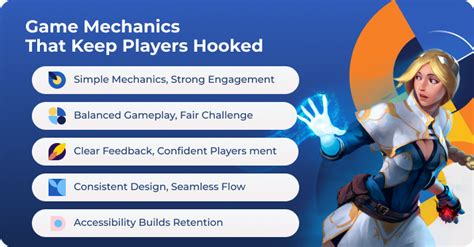
Many successful guides employ a hybrid structure that prioritizes quick answers at the top while maintaining accessible detail:
Main Path vs. Side Content
Clearly delineate the main story progression from optional side quests, collectibles, and advanced challenges. Players can stick to the main path for quick progress or delve into optional sections at their leisure.
‘Walkthrough’ Sections with ‘Deep Dive’ Sub-sections
A typical walkthrough might describe how to complete a mission step-by-step. Within each step, ‘Deep Dive’ sub-sections can expand on enemy weaknesses, environmental puzzles, or optimal gear choices, allowing players to choose their level of engagement.
Tools and Presentation Matters
Beyond content structure, the platform and presentation significantly impact the balance. Interactive guides with search functions, filters, and user comments can dynamically adapt to player needs. High-quality formatting, legible fonts, and a clean layout are crucial for both quick scanning and comfortable in-depth reading.

Conclusion
Balancing in-depth detail with quick, actionable answers in gaming guides isn’t about choosing one over the other; it’s about intelligent design and a deep understanding of player psychology. By prioritizing immediate usability while keeping comprehensive information readily available and well-organized, guide creators can craft resources that truly empower every type of gamer, enhancing their experience whether they’re looking for a swift solution or a complete mastery of their favorite title.