How do gaming guide writers keep walkthroughs current post-patch without constant rewrites?

In the fast-evolving landscape of modern video games, where live-service titles and frequent patches are the norm, one question often vexes both players and creators: how do gaming guide writers keep their meticulously crafted walkthroughs and guides current without being trapped in an endless cycle of rewrites? The challenge is significant, as a single patch can render entire sections of a guide obsolete, impacting item stats, quest steps, character abilities, or even fundamental game mechanics.
The Modular Approach: Building for Adaptability
One of the most effective strategies employed by professional guide writers is the adoption of a modular content design. Instead of monolithic blocks of text, guides are broken down into discrete, easily digestible, and independently updateable sections. This means a change to a single boss’s attack pattern or a specific item’s location only necessitates an edit to that particular module, rather than an overhaul of an entire chapter or guide.
This approach allows for quick, surgical strikes on outdated information. For instance, a “character build” section might reference specific gear. If that gear is rebalanced, only the gear module needs adjustment, leaving the core build strategy largely intact. Similarly, individual quest steps or puzzle solutions can be isolated, making them simple to revise should a patch alter their requirements.
Prioritizing Key Changes and Version Control
Not every patch demands an immediate, comprehensive update. Experienced guide writers develop an acute sense of what changes are critical enough to warrant immediate attention. Minor bug fixes or cosmetic alterations often take a backseat to significant rebalances, new content additions, or changes to core gameplay loops that directly impact player progression or strategy.
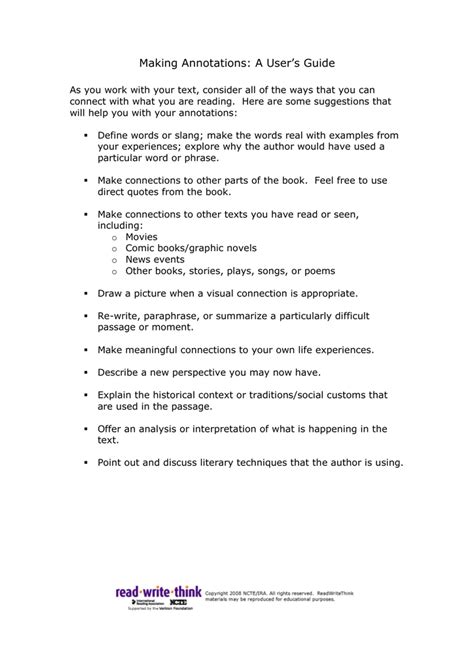
Furthermore, robust version control and clear annotation are crucial. Many guides incorporate “living document” principles, using clearly marked sections (e.g., “Updated for Patch 3.2.0”) or color-coded text to highlight recent changes. This allows readers to quickly identify new or revised information, and writers to track what’s been addressed. Some platforms even offer “diff” features to show what has changed between versions, much like software development.
Leveraging Community Feedback and Collaboration
No single writer, or even a small team, can realistically catch every single nuanced change in a large, frequently updated game. This is where the power of the gaming community becomes an invaluable asset. Guide writers often monitor official patch notes closely, but they also actively engage with player communities on forums, Discord servers, and social media.
Players are frequently the first to discover subtle changes or exploit new mechanics, and their feedback can be a goldmine for identifying what needs updating. Establishing channels for community input—whether through comment sections, dedicated feedback forms, or direct communication—allows guide writers to rapidly crowdsource information and prioritize their update efforts, making the guide a truly collaborative, evolving resource.

Strategic Update Cycles and ‘Living Guide’ Philosophy
Rather than reacting to every hotfix, many guide creators adopt strategic update cycles. They might wait for a more substantial patch or a collection of smaller changes to accumulate before dedicating time to a major update pass. This prevents constant, low-impact work and allows for more efficient resource allocation. The philosophy here shifts from “finished product” to “living guide” – an ongoing project that is continuously refined and improved.
This means acknowledging that a guide is rarely “done” but rather exists in a perpetual state of evolution. It requires a commitment to long-term maintenance, a flexible content management system, and an understanding that accuracy is a moving target, constantly striving to align with the game’s current state. This also includes clearly communicating to readers when a guide was last updated and what version of the game it covers.
Tools and Content Management Systems
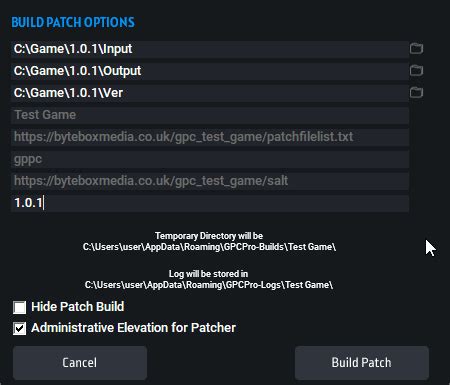
Behind the scenes, many professional guide writing teams utilize sophisticated tools and content management systems (CMS) designed for dynamic content. These systems can track changes, manage different versions, and sometimes even automate the flagging of sections that might be affected by specific keywords found in patch notes. Custom scripts can compare data from previous game versions to current ones, helping to pinpoint altered values or mechanics.
While such tools might be out of reach for independent creators, the underlying principles—organized content, clear tracking, and efficient editing workflows—remain universal. The goal is always to minimize manual effort and maximize the speed and accuracy of updates.

Conclusion
Keeping gaming walkthroughs and guides current in a world of endless patches is a complex dance between foresight, efficiency, and community engagement. By embracing modular design, prioritizing critical updates, leveraging player feedback, and adopting a “living guide” philosophy supported by smart tools and workflows, guide writers can ensure their valuable resources remain relevant and helpful for players navigating ever-changing virtual worlds, without succumbing to the Sisyphean task of constant rewrites.