Build pitfalls: Which common stats/items are actually traps?
Navigating the Illusion of Power
In the vast and intricate worlds of RPGs and online games, optimizing your character’s build is often the key to success. Yet, many players fall into common traps, investing in stats or acquiring items that seem powerful on the surface but ultimately hinder their true potential. Understanding these “pitfalls” is crucial for theorycrafters and casual players alike to forge truly effective builds.
This article delves into some of the most common statistical and item-based deceptions that can derail your character’s progression, helping you identify what looks good but might actually be a detriment.

The Deceptive Allure of Stat Traps
Certain stats, while inherently useful, can become traps when overvalued or misunderstood. The primary culprits often involve diminishing returns, opportunity cost, or simply being overshadowed by more effective alternatives in specific contexts.
Overcapping and Diminishing Returns
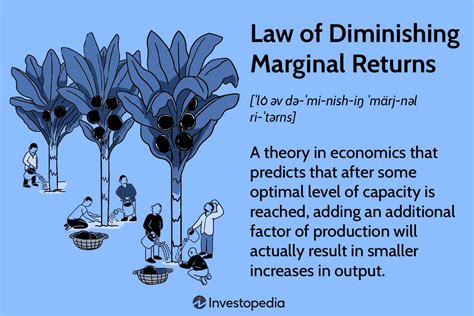
A classic example is “overcapping” a stat. If a game has a maximum resistance cap, for instance, investing more points beyond that cap yields zero benefit. Similarly, many stats like Cooldown Reduction, Attack Speed, or Critical Chance often suffer from diminishing returns, where each subsequent point provides less impact than the last. Reaching 50% CDR might be easy, but getting from 90% to 95% might require an astronomical investment for minimal gain, when those resources could have boosted damage or survivability significantly.
Another common pitfall is prioritizing raw, flat stats over percentage-based scaling, especially in the late game. A fixed +100 Damage might be amazing at level 10 but negligible at level 100, where +5% Increased Damage would scale far better with your growing base stats.
Item Traps: More Than Just Shiny Loot
Items can be even trickier. A unique item with a flashy effect or a set bonus that promises immense power can sometimes be a wolf in sheep’s clothing. These traps often manifest in several ways:
Conditional Power Traps
Many items offer massive bonuses under very specific conditions that are difficult to consistently meet or synergize poorly with your core gameplay loop. An item that grants “200% increased damage when standing still for 5 seconds” might sound incredible, but if your build is highly mobile, you’ll rarely benefit from it, making it effectively useless compared to a more consistent, albeit lower, damage boost.
The “Placeholder” Problem
Some items are powerful early-game power spikes but scale poorly into the endgame. Players might cling to them out of familiarity or because they remember their initial impact, failing to recognize when a common, well-rolled rare item or a different unique would provide a much greater benefit as their character matures.
Misleading Set Bonuses
While many set bonuses are build-defining, some can lure players into suboptimal choices. A 4-piece set bonus might be great, but the 2-piece and 3-piece bonuses might be incredibly weak, forcing you to equip weaker pieces just to reach the desired breakpoint, sacrificing overall character power for a single, powerful effect.
Understanding Opportunity Cost and Synergy
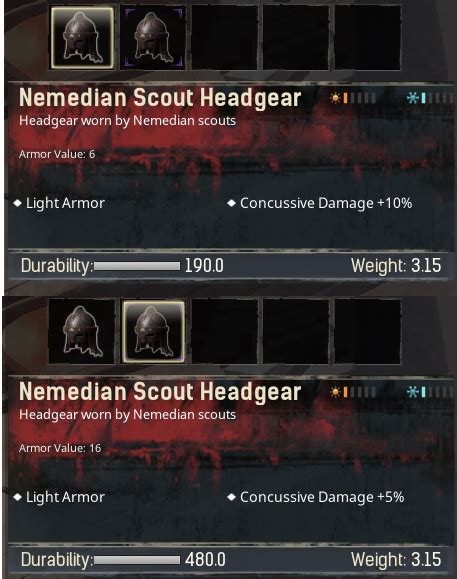
At the heart of avoiding build pitfalls lies a deep understanding of opportunity cost and synergy. Every stat point, every item slot, and every skill choice comes with an inherent trade-off. Choosing to invest heavily in one stat means you are choosing not to invest in another.
For example, prioritizing Critical Hit Chance without sufficient Critical Hit Damage or Attack Speed can lead to a “crit famine” where your crits don’t hit hard enough or aren’t frequent enough to be impactful. Conversely, having high Crit Damage but low Crit Chance means you rarely benefit from it. A balanced approach, or a build designed to maximize one aspect while ignoring another (e.g., a DoT build that doesn’t care about crit), is key.
Synergy is equally vital. Does your chosen item or stat work with the rest of your build, or does it operate in isolation? An item that grants a powerful on-hit effect might be useless on a spellcaster build that rarely uses basic attacks, regardless of how strong the effect is in isolation.
Forge Smarter, Not Harder
Avoiding these common build pitfalls requires a combination of critical thinking, in-game experimentation, and often, consulting community resources. Don’t blindly follow guides, but understand the underlying mechanics. Question seemingly powerful stats and items. Ask:
- Does this stat have diminishing returns?
- Is this item’s condition consistently met by my playstyle?
- Is there a better stat or item I could equip for the same slot/investment?
- How does this choice synergize with my other abilities and gear?
By adopting a more analytical approach to your character builds, you can distinguish between true power and tempting traps, forging a path to optimal performance and greater enjoyment in your favorite games.