How do community managers guide users to troubleshoot common mod conflicts effectively?
The Complex World of Mod Conflicts
Modding, the act of modifying video games, significantly enhances replayability and personalization for countless players. However, this vibrant ecosystem often brings with it the inevitable challenge of “mod conflicts.” These occur when two or more modifications attempt to alter the same game files or systems in incompatible ways, leading to crashes, graphical glitches, or broken gameplay. For many users, particularly those new to modding, identifying and resolving these conflicts can be a daunting, frustrating, and even game-ending experience. This is where the invaluable role of a community manager shines.
The Crucial Role of Community Managers
Community managers are the frontline support, educators, and facilitators within modding communities. Their expertise extends beyond mere moderation; they are instrumental in creating an environment where users feel empowered to tackle technical challenges. When it comes to mod conflicts, effective community managers act as guides, demystifying complex issues and providing clear pathways to resolution.
Establishing Clear Troubleshooting Protocols
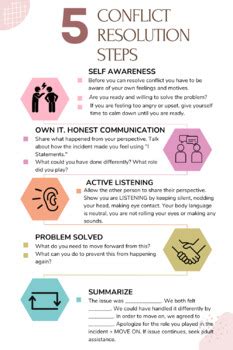
One of the primary ways community managers assist users is by establishing and promoting clear, step-by-step troubleshooting protocols. Instead of letting users flounder, they provide structured guidance. This often includes:
- The 50/50 Method: Guiding users to disable half their mods, then half of the remaining half, until the conflicting mod or pair is isolated.
- Conflict Reporting Templates: Encouraging users to provide specific information like load order, game version, and a detailed description of the issue, which streamlines the diagnostic process.
- Log File Analysis: Educating users on how to locate and interpret crash logs or error messages, which often contain vital clues about the source of a conflict.
- Replication Steps: Asking users to describe the exact steps that lead to the conflict, enabling others to reproduce and verify the issue.
Leveraging Community Resources and Knowledge Bases
Effective community managers don’t just provide individual support; they curate and promote self-help resources. They ensure that:
- FAQs and Wikis are Up-to-Date: Regularly updating guides on common conflicts for popular mods, specific game engine quirks, or known incompatibilities.
- Dedicated Troubleshooting Sections: Creating specific forum categories or Discord channels where users can post their issues and receive peer-to-peer support, often overseen by experienced volunteers or moderators.
- Pinned Posts and Announcements: Highlighting critical information about recent game updates, problematic mods, or newly discovered fixes.
- Video Tutorials and Guides: Collaborating with content creators or creating their own visual guides to walk users through complex processes like cleaning game files or using specific modding tools.
![Unofficial Modding Support - [Rotwood] - General Discussion - Klei ...](/images/aHR0cHM6Ly90czQubW0uYmluZy5uZXQvdGg/aWQ9T0lQLkhzaF8tWWFPWVdxMmpXbXJZUGlBMXdIYUVLJnBpZD0xNS4x.webp)
Promoting and Explaining Essential Modding Tools
Many games have powerful modding utilities designed to prevent or diagnose conflicts. Community managers are key in promoting the adoption and understanding of these tools:
- Mod Organizers (e.g., Mod Organizer 2, Vortex): Explaining how these tools manage load orders, isolate mod files, and provide built-in conflict detection, significantly reducing user headaches.
- Conflict Detection Tools: Guiding users on how to use specific utilities that scan their mod lists for potential incompatibilities before they even launch the game.
- Cleaners and Patchers: Teaching the importance of tools that clean dirty game files or create compatibility patches between mods.
- Backup Best Practices: Emphasizing the critical habit of backing up game saves and mod profiles before making significant changes.
Fostering a Culture of Helpfulness and Education
Beyond direct intervention, community managers cultivate a supportive environment where users feel comfortable asking for help and where experienced modders are encouraged to share their knowledge. This involves:
- Positive Reinforcement: Acknowledging and rewarding helpful community members who consistently assist others.
- Educational Initiatives: Organizing workshops, Q&A sessions, or “Modding Monday” events to educate users on best practices.
- Setting Expectations: Clearly communicating that modding can be complex and that conflicts are a normal part of the process, reducing user frustration when issues arise.
- Bridging the Gap: Acting as a liaison between users and mod developers, relaying feedback and potential bug reports in a structured manner.
Conclusion
Effectively guiding users through common mod conflicts requires a multi-faceted approach from community managers. By providing clear protocols, leveraging robust community resources, promoting essential tools, and fostering a culture of mutual support and education, they transform what could be a frustrating barrier into a manageable challenge. Ultimately, their efforts ensure that the vibrant world of game modding remains accessible, enjoyable, and sustainable for everyone.