What’s the best way to factor post-launch game patches into initial review scores?

In the dynamic world of video games, the concept of a ‘finished’ product at launch has become increasingly rare. With digital distribution and continuous development cycles, post-launch patches, updates, and even major content additions are now the norm. This evolving landscape poses a significant dilemma for game reviewers: how should these subsequent changes be factored into an initial review score?
The Snapshot Problem: Day-One Impressions
Traditional game reviews have always captured a snapshot of a game’s state at launch. This approach provides consumers with immediate purchasing advice, reflecting the experience they can expect on release day. However, many games, particularly those with complex systems, online components, or ambitious scope, often launch with bugs, performance issues, or balance problems that are later addressed by patches.
If a reviewer scores a game based purely on its launch state, and that state is significantly improved (or worsened) within days or weeks, the initial score can quickly become misleading. Conversely, waiting indefinitely for a game to reach its ‘final’ state before reviewing is impractical for a timely industry where relevance is key.
The Ubiquity of Post-Launch Updates
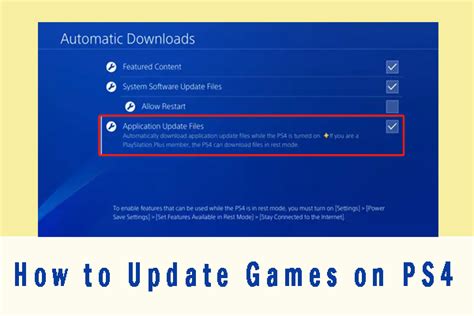
The ‘game as a service’ model, alongside the sheer complexity of modern titles, means that patches are not just for fixing critical bugs but also for introducing new features, balancing gameplay, and even overhauling mechanics. This constant evolution blurs the line between a finished product and an ongoing project. Reviewers are faced with the challenge of evaluating something that is, by design, not static.
Proposed Methodologies for Factoring Patches
1. The Day-One Review with Post-Script Updates
This common approach involves reviewing the game as it exists on launch day, giving a score, and then later adding an ‘updated’ section or post-script to the review if significant patches are released. This clearly separates the initial experience from subsequent improvements.
- Pros: Timely advice for launch-day buyers; clear distinction between initial and patched states.
- Cons: Initial score might unfairly penalize a game that quickly improves; readers may not revisit old reviews for updates.
2. Dynamic Scoring or Re-Reviews
Some critics advocate for a dynamic scoring system where a game’s score can be updated or re-evaluated entirely after major patches. This acknowledges the game’s evolving nature more directly.
- Pros: Reflects the most current state of the game; provides ongoing value to readers.
- Cons: Resource intensive for review outlets; could lead to confusion about a game’s ‘definitive’ score; challenges the traditional role of a review as a definitive statement.
3. The Delayed Review
Another option is to deliberately delay reviews for certain types of games (e.g., online-focused, highly complex, or known to have pre-launch issues) until a significant post-launch patch or a more stable period has passed.
- Pros: Provides a more accurate assessment of the ‘intended’ game experience; avoids penalizing quickly patched issues.
- Cons: Misses the critical launch window for consumer purchasing decisions; risks losing reader interest if the review is too late.

Challenges and Considerations
No single method is without its challenges. Resource constraints mean that constantly re-reviewing games is often unfeasible for smaller outlets. Reader expectations also play a role; many still seek a single, definitive score. Transparency is paramount, regardless of the chosen method. Reviewers must clearly communicate which version of the game they are reviewing and how (or if) post-launch updates will be addressed.

The Future of Game Criticism
Ultimately, the best approach might be a hybrid one, tailored to the specific game and context. For instance, a highly anticipated single-player game might warrant a day-one review with potential post-scripts, while a live-service multiplayer title might benefit from a more dynamic, ongoing evaluation. The critical landscape must adapt to mirror the iterative development cycles of modern games, emphasizing not just initial impressions but also ongoing value and evolution. Embracing a more nuanced, transparent, and potentially iterative review process will be crucial for providing accurate and helpful guidance to gamers in the years to come.