What are best practices for gaming community mods to reduce toxicity & boost engagement?

The Crucial Role of Gaming Community Moderators
In the vast and dynamic landscape of online gaming, community moderators play a pivotal role. They are the unsung heroes who stand at the frontline, shaping the environment where players connect, compete, and collaborate. A thriving gaming community is not just about the game itself, but the quality of interactions among its members. This article outlines best practices for community mods to effectively combat toxicity and cultivate an atmosphere that fosters genuine engagement and positive experiences.
Establishing a Foundation for Positive Interaction
Clear and Comprehensive Guidelines
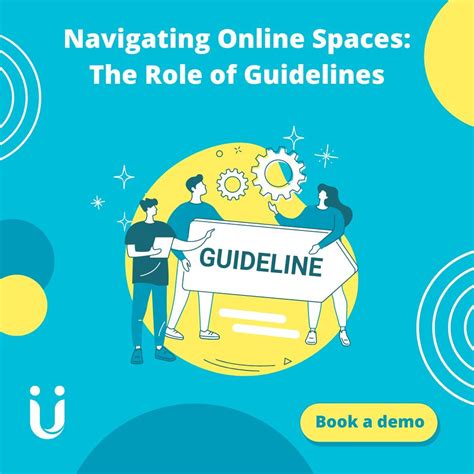
The bedrock of any well-moderated community is a set of explicit, easy-to-understand guidelines. These rules should cover acceptable behavior, prohibited actions (like harassment, hate speech, spamming), and the consequences for violating them. It’s crucial that these guidelines are readily accessible to all members, perhaps pinned in forums or integrated into game interfaces.
Transparency is key. When community members understand what is expected of them and why, they are more likely to adhere to the rules. Involve the community (or a trusted segment) in the rule-making process where appropriate, fostering a sense of ownership.
Consistent and Fair Enforcement
Rules are only as good as their enforcement. Mods must apply guidelines consistently across all situations and individuals, regardless of their status or popularity within the community. Inconsistency erodes trust and can lead to accusations of bias, fueling resentment and further toxicity. A standardized moderation protocol, even for minor infractions, helps ensure fairness.
It’s also important to communicate the rationale behind moderation actions where possible and appropriate. While specific user details should remain private, explaining why a certain type of behavior is unacceptable helps educate the broader community and reinforce positive norms.
Proactive Strategies to Mitigate Toxicity
Lead by Example and Set the Tone
Mods are not just enforcers; they are role models. Their own interactions, professionalism, and positive attitude significantly influence the community’s overall tone. Engaging respectfully, demonstrating empathy, and de-escalating tense situations are crucial. A positive mod presence can be contagious, encouraging other members to follow suit.
Early Intervention and De-escalation
Spotting and addressing problematic behavior early can prevent minor disagreements from spiraling into major conflicts. Mods should be vigilant, actively monitoring chat channels, forums, and social media. When signs of toxicity emerge, intervening calmly and authoritatively, often through private messaging initially, can resolve issues before they become public spectacles. De-escalation techniques, such as redirecting conversations or offering a cooling-off period, are invaluable skills for any mod.
Leverage Moderation Tools Effectively
Many platforms offer powerful moderation tools, from automated filters for profanity and spam to user reporting systems and shadow-banning capabilities. Mods should be proficient in using these tools to efficiently identify, track, and address rule violations. Automated tools can lighten the load, allowing human mods to focus on nuanced interactions and community building.

Strategies to Boost Engagement and Foster Community
Facilitate Community Events and Initiatives
Engagement goes beyond just preventing bad behavior; it’s about actively creating reasons for players to interact positively. Mods can organize game nights, tournaments, Q&A sessions with developers, fan art contests, or community spotlights. These events provide structured opportunities for members to connect, have fun, and feel a stronger sense of belonging.
Recognize and Reward Positive Contributions
Publicly acknowledging and rewarding members who contribute positively to the community can be highly motivating. This could involve “player of the week” features, special roles/badges for helpful members, or even small in-game rewards. Celebrating good behavior reinforces desired norms and encourages others to emulate them.
Be Transparent and Communicate Openly
Mods should strive for open communication with the community. This includes announcing changes, explaining decisions (within reason), and soliciting feedback. Regular “mod Q&A” sessions or community update posts can bridge the gap between moderators and members, making the moderation process feel less arbitrary and more collaborative.
Regularly collect feedback from the community regarding moderation efforts and overall community health. This demonstrates that their opinions are valued and can provide valuable insights for continuous improvement.
Supporting the Moderators Themselves
Comprehensive Training and Resources
Moderation is a demanding role. Providing mods with adequate training on community guidelines, moderation tools, conflict resolution, and communication techniques is vital. Regular refreshers and access to a knowledge base or FAQ can empower them to handle diverse situations effectively.
Team Collaboration and Support Systems
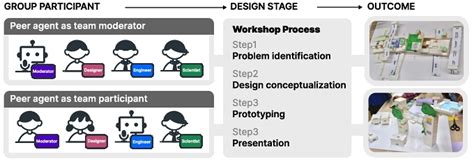
Mods should not operate in isolation. Establishing a supportive mod team where members can share insights, discuss challenging cases, and provide mutual support is essential. Regular team meetings and a dedicated communication channel help maintain consistency and prevent burnout. Recognizing the emotional toll of moderation is also critical, and providing resources or opportunities for debriefing can help.
Conclusion
Effective gaming community moderation is a continuous, multifaceted effort. It involves not only diligent enforcement of rules to curb toxicity but also active strategies to cultivate a positive, engaging, and welcoming environment. By implementing clear guidelines, ensuring consistent enforcement, leading by example, fostering positive interactions, and supporting their mod teams, community managers can transform their gaming spaces into thriving hubs where players genuinely enjoy spending their time. The ultimate goal is to build communities that are not just free of toxicity, but rich with meaningful connections and shared passion.