Actionable tips for gaming community mods to reduce toxicity & boost engagement?

The Crucial Role of Gaming Community Moderators
In the vast and dynamic world of online gaming, community spaces – be it Discord servers, game forums, or in-game chats – are the lifeblood that connects players. However, these digital arenas can quickly become breeding grounds for toxicity, harassment, and negativity, tarnishing the overall player experience. This is where gaming community moderators step in, serving as the unsung heroes responsible for cultivating a safe, welcoming, and engaging environment. Their role is not just about enforcing rules but actively shaping the community’s culture. Here are actionable tips to help mods reduce toxicity and significantly boost engagement.

1. Establish and Communicate Crystal-Clear Guidelines
The foundation of a healthy community is a well-defined set of rules. Vague rules lead to confusion and inconsistency in enforcement. Ensure your community guidelines are:
- Explicit and Comprehensive: Cover common issues like hate speech, personal attacks, spam, cheating discussions, and NSFW content.
- Easily Accessible: Pin them in prominent channels, link them in welcome messages, and make sure new members see them immediately upon joining.
- Consistently Enforced: This is paramount. Members need to understand that rules apply equally to everyone, regardless of their status or tenure. Inconsistent enforcement breeds resentment and encourages rule-breaking.
Regularly review and update these guidelines to adapt to community growth and evolving challenges. Transparency in rule changes also helps maintain trust.
2. Proactive Engagement and Positive Reinforcement
Moderation isn’t just about punishing negative behavior; it’s equally about nurturing positive interactions. Shift from a purely reactive stance to a proactive one:
- Highlight Positive Contributions: Publicly acknowledge and reward members who are helpful, supportive, or contribute valuable content. This could be through special roles, shout-outs, or even small in-game rewards.
- Initiate Engaging Activities: Organize community game nights, art contests, lore discussions, Q&A sessions with developers, or “member spotlight” features. These events provide structured opportunities for positive interaction and give members a reason to participate beyond just playing the game.
- Be Visible and Approachable: Mods should not be seen as distant enforcers. Engage in general conversations, offer help, and participate in community events. A friendly and present mod team is more likely to build rapport and trust.

3. Master Conflict De-escalation
When disputes arise, how mods handle them can either quell the fire or inadvertently fan the flames. Effective de-escalation is a critical skill:
- Intervene Early: Address minor spats before they escalate into major conflicts. A timely, calm warning can prevent a full-blown argument.
- Move Conversations to Private Channels: For sensitive discussions or disciplinary actions, use direct messages or private mod channels. This prevents public shaming and keeps the main community channels clear of drama.
- Remain Neutral and Objective: Avoid taking sides. Focus on the behavior, not the person. Base decisions on established rules and evidence, not personal feelings or popularity.
- Explain Decisions (When Appropriate): While not every warning requires a lengthy explanation, providing a brief, clear reason for a ban or mute can help the user understand their transgression and reduce feelings of unfairness.
4. Leverage Tools and Technology
Don’t try to manually monitor every single message. Modern moderation tools are indispensable for efficiency:
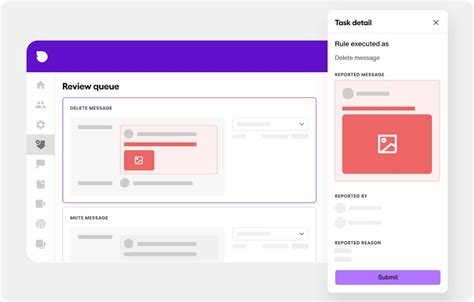
- Automated Moderation Bots: Utilize bots that can detect and filter spam, hate speech, explicit content, or specific keywords. These tools can automatically flag problematic messages for review or take immediate action.
- Reporting Systems: Ensure users have an easy and clear way to report rule-breaking behavior. Respond to these reports promptly to show that user feedback is valued and acted upon.
- Audit Logs and Mod Logs: Keep detailed records of all moderation actions. This ensures accountability, provides a history for repeated offenders, and helps maintain consistency across the mod team.
5. Foster a Sense of Ownership and Inclusivity
A truly engaged community feels like it belongs to its members, not just the developers or mods. Encourage this feeling:
- Listen to Community Feedback: Regularly solicit suggestions for new features, events, or even rule adjustments. While not all feedback can be implemented, acknowledging and discussing it shows respect for members’ opinions.
- Empower Trusted Members: Consider recruiting active, positive, and helpful community members to assist with moderation or event organization. This not only lightens the load on the main mod team but also makes these members feel valued and invested.
- Promote Inclusivity: Actively work to make the community welcoming for all demographics, backgrounds, and playstyles. Create channels for different interests, celebrate diversity, and ensure that no group feels marginalized.
Conclusion
The role of a gaming community moderator is challenging but immensely rewarding. By establishing clear rules, consistently enforcing them, proactively fostering positive interactions, mastering conflict resolution, utilizing smart tools, and empowering the community, mods can transform even the most challenging spaces. A thriving, engaged, and respectful gaming community is not an accident; it’s the direct result of dedicated and strategic moderation. Your efforts create the vibrant, supportive environments that keep players coming back, building lasting friendships and unforgettable gaming experiences.