How can we best schedule urgent gaming news for maximum reader engagement?

The Dynamic Landscape of Urgent Gaming News
In the fast-paced world of gaming, news can break at any moment: a surprise game announcement, a major update drop, a new trailer reveal, or an unexpected industry shift. For dedicated gaming enthusiasts, knowing this information as quickly as possible is paramount. However, merely publishing news the instant it arrives doesn’t always guarantee maximum reader engagement. The challenge lies in strategically scheduling and disseminating urgent gaming news to reach the widest possible audience when they are most receptive.
The goal isn’t just to be first, but to be effective. A poorly timed piece of news, even if exclusive, might be overlooked if the target audience isn’t online, is overwhelmed by other content, or is simply not in the right mindset to consume it. Understanding the nuances of audience behavior, platform dynamics, and content strategy is crucial for transforming raw information into highly engaging news.
Understanding Your Audience’s Consumption Habits
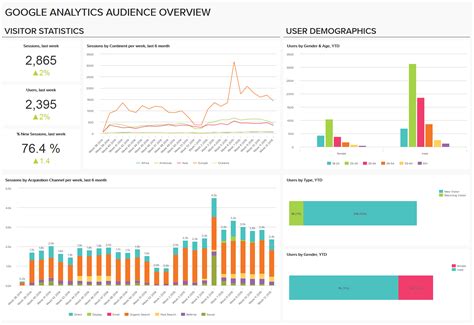
The foundation of any successful content strategy is a deep understanding of your audience. When do your primary readers typically consume gaming news? Are they active early in the morning, during lunch breaks, or late at night? Do they primarily access content on weekdays or weekends? Analyzing your existing analytics to identify peak traffic times, geographic distribution, and device usage patterns is an essential first step. Global audiences also present a unique challenge, requiring consideration of different time zones to hit optimal engagement windows across various regions.
Furthermore, consider the context of their consumption. Are they casually browsing social media on their commute, or are they actively seeking in-depth articles on a desktop? Different types of urgent news might resonate better at different times and on different platforms. A brief, exciting trailer drop might be perfect for a quick social media share during a lunch break, while a detailed analysis of a game-breaking patch might require a more focused reading session.
Strategic Timing: Immediate Release vs. Calculated Delay
While the urge to publish immediately is strong for ‘urgent’ news, a calculated delay can sometimes yield better results. For genuinely breaking, exclusive news that could become stale quickly, immediate publication might be the best route. However, for news items that have a slightly longer shelf-life or are part of a broader announcement cycle, strategic timing can amplify their impact.
Consider batching smaller, related news items around a major announcement to create a more substantial content package. Alternatively, if a major industry event is monopolizing news cycles, holding onto a less critical but still important piece of news until the noise has subsided can ensure it gets the attention it deserves. This approach requires careful judgment to balance the need for timeliness with the goal of maximizing visibility and engagement.
Leveraging Multi-Channel Distribution
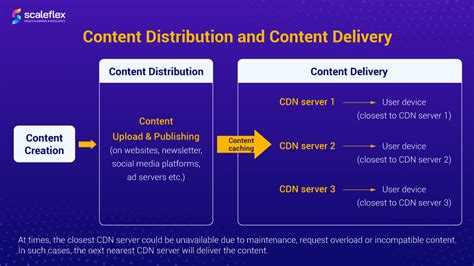
The modern news landscape is multi-faceted, and relying on a single distribution channel limits your reach. Urgent gaming news should be strategically deployed across various platforms, each with its own timing considerations and audience expectations. Your primary website will serve as the hub for the full article, but social media platforms (Twitter, Facebook, Instagram, Reddit, TikTok) are vital for rapid dissemination and driving initial traffic.
Email newsletters can capture engaged subscribers with a curated summary, while push notifications can alert the most dedicated readers to truly critical updates. Each platform requires a tailored approach: short, punchy headlines for Twitter, visually engaging snippets for Instagram, and perhaps more detailed discussions for Reddit. Optimizing content for each channel, and understanding when your audience on each platform is most active, significantly boosts engagement.
Data-Driven Decisions and Continuous Optimization
Ultimately, the best scheduling strategy isn’t static; it evolves with your audience and the gaming landscape. Continuously monitor the performance of your urgent news releases. Track metrics such as page views, time on page, social shares, click-through rates from various channels, and even comment engagement. A/B test different publication times or headline formats for similar types of news to identify patterns that lead to higher engagement.
Utilize analytical tools to gain insights into what resonates and what falls flat. Is a major announcement about an indie game better received on a Tuesday morning or a Friday afternoon? Does news about a patch update perform better when published immediately or after a short delay to allow for initial player reactions? By embracing a data-driven approach, media outlets can refine their scheduling strategies, ensuring that urgent gaming news not only reaches its audience but also captivates them for maximum engagement.