Best practices for managing team conflict and boosting cohesion in competitive gaming?

The Imperative of Cohesion in Competitive Esports
In the high-stakes world of competitive gaming, where fractions of a second and pixel-perfect plays dictate victory or defeat, the synergy within a team is just as crucial as individual skill. Conflict is an inevitable part of any human endeavor, and esports teams are no exception. Whether it stems from differing strategic opinions, personality clashes, or the immense pressure to perform, unmanaged conflict can quickly unravel a team’s potential. Conversely, a cohesive unit that understands, trusts, and supports one another can overcome formidable challenges, adapt to changing metas, and consistently perform at their peak.
This article delves into the best practices for not only managing conflict when it arises but, more importantly, for fostering a strong sense of cohesion that can preempt many common issues, turning a collection of talented individuals into an unstoppable force.
Understanding the Roots of Conflict in Gaming

Before implementing solutions, it’s vital to identify the common sources of discord within esports teams:
- Strategic Disagreements: Often, players have different ideas on how to approach a game, specific matchups, or mid-game decision-making. If not discussed constructively, these can escalate into personal attacks.
- Ego and Role Clashes: Highly skilled players may struggle with humility or accepting a less prominent role for the team’s benefit. Who makes the final call? Who takes credit?
- Communication Breakdowns: Misunderstandings, lack of clarity, or passive-aggressive communication can quickly sow seeds of resentment. Tone of voice, especially in high-stress situations, plays a huge role.
- Performance Pressure and Burnout: The demanding schedule, constant scrutiny, and fear of failure can lead to irritability, frustration, and emotional outbursts, which are then directed at teammates.
- Personality Differences: Not everyone needs to be best friends, but conflicting personalities without mutual respect can create a toxic atmosphere.
Proactive Strategies for Building Team Cohesion
1. Establish Clear Roles and Expectations
From day one, define each player’s primary and secondary roles, responsibilities, and decision-making authority. This includes in-game roles (e.g., shot-caller, entry fragger, support) and out-of-game expectations (practice schedule, professionalism, attitude). A well-defined structure reduces ambiguity and minimizes arguments over who should do what.
2. Foster Open and Honest Communication Channels
Encourage an environment where players feel safe to express their opinions, concerns, and even frustrations without fear of retribution. Regular, structured debriefs after practice or matches are essential. Implement a ‘no-blame’ policy during these sessions, focusing on ‘what’ went wrong and ‘how’ to improve, rather than ‘who’ made a mistake.
3. Cultivate Shared Goals and Vision
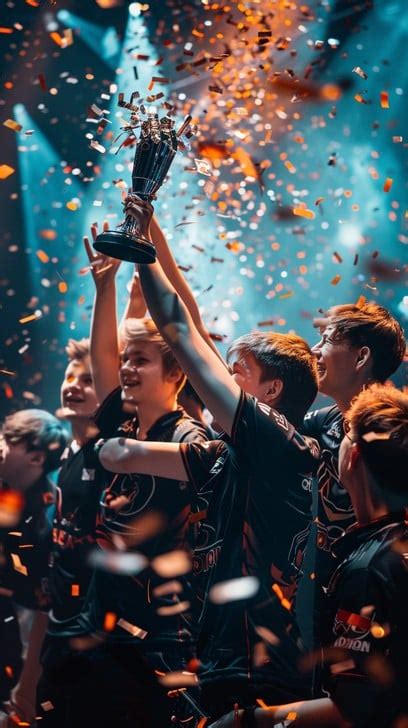
Ensure every team member is aligned with the team’s overarching goals, whether it’s winning a specific tournament, improving individually, or building a sustainable career. Regularly revisit these goals to reinforce collective purpose. Celebrate small victories and acknowledge individual contributions to the team’s success.
4. Invest in Team-Building Activities (Beyond the Game)
While gaming together builds synergy, engaging in non-gaming activities can strengthen personal bonds and foster a deeper understanding of each other’s personalities outside the competitive pressure cooker. This could be anything from casual dinners, watching movies, exercising together, or even shared hobbies. These experiences build empathy and camaraderie.
Reactive Strategies for Effective Conflict Management
1. Address Issues Promptly and Privately
Do not let minor disagreements fester. As soon as conflict is identified, address it. If possible, a private discussion between the involved parties, perhaps facilitated by the coach or captain, is often more effective than a public confrontation. Keep emotions in check and focus on the specific issue, not personal attacks.
2. Implement Structured Conflict Resolution Sessions
For more significant conflicts, a formal mediation process may be necessary. A neutral third party (coach, manager, or even a sport psychologist) can guide the discussion, ensuring all parties get to express their viewpoint without interruption and facilitating a path toward resolution. Focus on active listening and finding common ground or an acceptable compromise.
3. Emphasize Active Listening and Empathy
During conflict, it’s crucial for players to genuinely listen to understand, not just to respond. Encourage empathy by asking players to consider the situation from their teammate’s perspective. Often, understanding the ‘why’ behind a teammate’s actions or words can de-escalate tension.
4. Set Boundaries and Consequences
While fostering open communication, it’s also important to establish clear boundaries regarding acceptable behavior and language. Repeated disruptive behavior, personal attacks, or a refusal to engage in constructive conflict resolution should have consequences, which should be understood by all team members beforehand. This reinforces accountability and maintains a respectful environment.
The Role of Leadership in Conflict and Cohesion
The team captain and coach play pivotal roles in both preventing and resolving conflict. A strong leader:
- Leads by Example: Demonstrates composure, sportsmanship, and constructive communication.
- Is an Active Listener: Pays attention to team dynamics, player moods, and subtle signs of tension.
- Acts as a Mediator: Steps in to facilitate discussions when disagreements arise, ensuring fairness and guiding towards solutions.
- Empowers Teammates: Encourages players to take ownership of their roles and contribute to solutions, not just problems.
Sustaining a Healthy Team Environment
Building cohesion and managing conflict isn’t a one-time fix; it’s an ongoing process. Regular check-ins, performance reviews that include team dynamic assessments, and a commitment to personal and collective growth are vital. Encouraging players to seek professional help for mental health or stress management can also prevent issues from spilling over into team dynamics. Ultimately, a successful esports team views conflict not as a weakness, but as an opportunity for growth and stronger bonds.
Conclusion
In competitive gaming, raw talent can only take a team so far. The true champions are often those who master the art of working together, understanding each other’s strengths and weaknesses, and navigating the inevitable challenges with grace and resilience. By implementing proactive cohesion-building strategies and effective conflict resolution techniques, esports teams can transform potential discord into a powerful catalyst for unparalleled success, both in and out of the game.