





How to best structure gaming guides so players can quickly find key info?
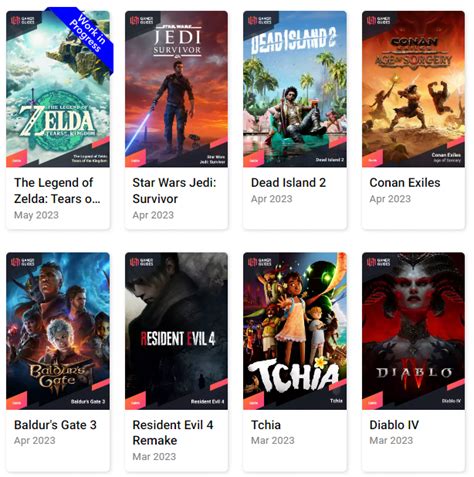
Gaming guides are invaluable resources for players, offering everything from quest walkthroughs to intricate build strategies. However, their utility hinges entirely on how effectively information can be accessed. A poorly structured guide, no matter how comprehensive, will frustrate players and often be abandoned. The goal is to minimize friction, allowing players to quickly pinpoint the exact details they need without sifting through reams of text.
Prioritizing Player Experience Through Structure
The fundamental principle behind structuring a gaming guide is to anticipate player needs. Players are often looking for solutions to specific problems or quick answers to specific questions. This requires a design that is not just logical, but also highly scannable and intuitive. Think of your guide as an in-game UI; it needs to be navigable with minimal cognitive load.
Key Pillars of Effective Guide Design:
- Clarity and Conciseness: Get straight to the point. Avoid verbose explanations when a bullet point or a short sentence will suffice.
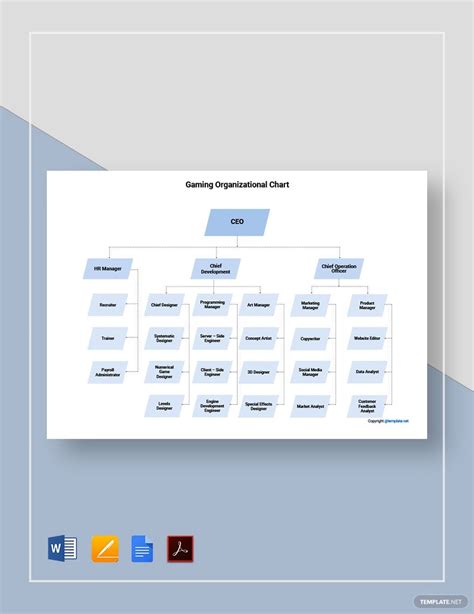
- Hierarchical Organization: Break down complex topics into smaller, manageable sections using headings and subheadings.
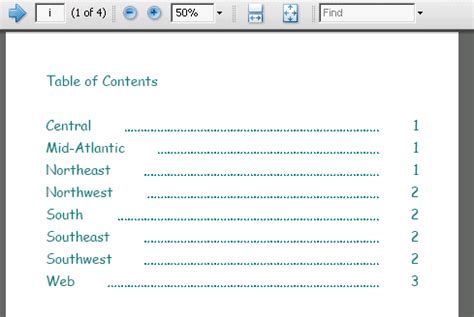
- Navigability: Provide tools that allow players to jump directly to relevant sections, such as a Table of Contents.
- Visual Reinforcement: Use images, screenshots, and diagrams to convey information that is difficult or time-consuming to describe in text alone.
- Actionable Information: Present solutions and steps in a clear, easy-to-follow manner.
Essential Structural Elements for Quick Information Retrieval
Implementing specific structural elements can dramatically improve a guide’s usability. These are the tools that empower players to find what they’re looking for efficiently.
1. Dynamic Table of Contents (TOC)
For any guide longer than a few paragraphs, a clickable Table of Contents at the beginning is non-negotiable. This acts as a roadmap, allowing players to instantly see the guide’s scope and jump to specific sections (e.g., “Quest 3: The Dragon’s Maw,” “Best Early-Game Builds,” “Item Locations”). Ensure it’s responsive and easily accessible on all devices.
2. Clear Headings and Subheadings (H2, H3, H4)
Headings are the backbone of your guide’s hierarchy. Use <h2> for major sections, <h3> for subsections, and <h4> for specific topics within those subsections. Each heading should be descriptive and concise, accurately reflecting the content below it. This creates a visual hierarchy that aids scanning.
3. Bullet Points and Numbered Lists
When presenting steps, requirements, item lists, or pros and cons, always opt for lists. Bullet points (<ul>) are great for non-sequential items, while numbered lists (<ol>) are perfect for step-by-step instructions. They break up large blocks of text and make information digestible at a glance.

4. Bold Text and Highlighted Keywords
Strategic use of bold text can draw the eye to critical information, key item names, ability names, or important warnings. Avoid over-bolding, as it can make the text harder to read. Use it sparingly to emphasize what players absolutely should not miss.
5. Images, Screenshots, and Videos
A picture is often worth a thousand words, especially in gaming guides. Screenshots can pinpoint exact locations, illustrate complex mechanics, show item appearances, or demonstrate menu navigation. Embed short video clips for demonstrating tricky boss fights or movement techniques. Always provide alt text for accessibility and SEO.

6. Summary Boxes, Callouts, and “TL;DR” Sections
For players who just want the absolute barebones answer, a summary box (e.g., a div with a distinct background) containing the most crucial takeaway can be incredibly effective. A “TL;DR” (Too Long; Didn’t Read) section at the very top or bottom of a complex section provides a quick gist without requiring the player to read the full explanation.
Tailoring Structure to Guide Type
While the core principles remain, the specific application of structure can vary based on the guide’s purpose:
- Quest/Story Walkthroughs: Chronological order is paramount. Include spoiler warnings, quest names, objective descriptions, and clear directions.
- Item/Build Guides: Use tables for stats comparison, clear sections for components, pros/cons, and alternative suggestions.
- Strategy Guides: Often benefit from “If X, then Y” logical flows, detailed breakdowns of enemy patterns, and recommended loadouts.
- Location Guides: Integrate maps with markers, step-by-step directions, and screenshots of landmarks.
Testing and Refinement
Once you’ve structured your guide, don’t consider it final. Have other players, especially those unfamiliar with the game or specific section, test it. Observe where they get stuck, what information they struggle to find, or if they skim past crucial details. Their feedback is invaluable for refining the structure and ensuring maximum usability.

Conclusion
The best gaming guides are not just repositories of information; they are meticulously crafted tools designed for rapid information retrieval. By embracing clear hierarchy, employing effective navigation aids like a Table of Contents, and strategically using visual elements and quick-scan formatting, guide creators can significantly enhance the player experience. Prioritizing structure ensures that players spend less time searching and more time enjoying their game, armed with the knowledge they need, precisely when they need it.



