





How do gaming reviews maintain objectivity when reviewing highly anticipated titles?

The Unyielding Pressure of Anticipation
Highly anticipated video game titles arrive with a unique weight of expectation. Years of development, marketing campaigns, and community speculation culminate in a release that can feel less like a product launch and more like a cultural event. For gaming reviewers, this environment presents a significant challenge: how to deliver an objective, unbiased assessment when the collective enthusiasm is almost palpable? The quest for objectivity in such circumstances is not just about fairness to the game, but also about maintaining credibility with an audience eager for honest insights amidst the hype.
Navigating the Hype Machine
The first hurdle for any reviewer is the ‘hype machine’ itself. Developers invest heavily in pre-release marketing, carefully curated trailers, and selective media previews, all designed to build excitement. While this is a natural part of the industry, it can subtly influence perception. Reviewers often receive early access under embargo, which, while necessary for timely reviews, can also mean experiencing the game in an isolated bubble, sometimes without the benefit of a live player base or day-one patches. The professional must consciously disengage from the marketing narrative and approach the game with a fresh, critical perspective, focusing solely on the final product delivered.
Standardized Methodologies and Criteria
To combat subjective bias, reputable review outlets often employ standardized methodologies. This includes:
- Consistent Playthrough Conditions: Ensuring all reviewers play the game on the same hardware, settings, and with a similar amount of dedicated time.
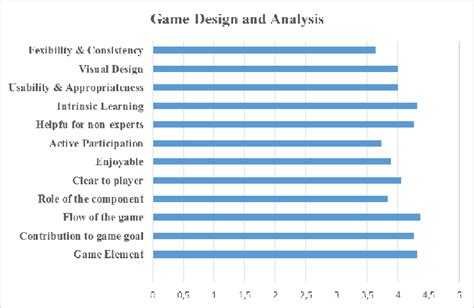
- Defined Scoring Criteria: Establishing clear categories for evaluation such as gameplay, graphics, sound, story, performance, and replayability, with specific benchmarks for each.
- Multi-Perspective Reviews: In larger organizations, multiple reviewers might play the same game, offering diverse viewpoints that can be synthesized into a more balanced final review or presented as a ‘review in progress’ with varying opinions.
The Human Element: Acknowledging and Mitigating Bias
No reviewer is a robot; personal preferences, genre affiliations, and past experiences inevitably color perception. The key to objectivity isn’t the absence of bias, but its acknowledgment and active mitigation. Professional reviewers strive to:
- Self-Awareness: Understanding their own biases towards certain genres, developers, or franchises and adjusting their critical lens accordingly.
- Focus on the Technical and Tangible: Prioritizing concrete observations about game mechanics, technical performance, and design decisions over purely emotional responses.
- Comparing to Industry Standards: Evaluating the game not just against its own promises, but against the broader landscape of its genre and the industry’s current technical capabilities.

Transparency and Reader Trust
Transparency is crucial for maintaining trust, especially when dealing with highly anticipated titles. Reviewers and publications should clearly communicate:
- Review Conditions: Disclosing if the game was played on a specific platform, with pre-release code, or under any special circumstances (e.g., access to review builds that might differ from the final public release).
- Potential Conflicts of Interest: Any past relationships with the developer or publisher, however minor, should be noted.
- Living Reviews: Some outlets offer ‘living reviews’ that evolve post-launch, incorporating observations from the full public release, day-one patches, and the online community’s experience, providing a more complete picture.

Beyond the Score: Detailed Analysis and Context
While review scores offer a quick summary, the true value of an objective review lies in its detailed analysis. A comprehensive review articulates why a score was given, delving into the nuances of gameplay, narrative, and technical execution. For highly anticipated titles, this means dissecting whether the game lives up to its promises, innovates within its genre, and delivers a satisfying experience, independent of the surrounding fanfare. By focusing on descriptive criticism and providing rich context, reviewers can help readers make informed decisions that cut through the noise of anticipation.
Conclusion
Maintaining objectivity when reviewing highly anticipated titles is a perpetual challenge that requires diligence, a robust methodology, and a commitment to journalistic integrity. By acknowledging inherent biases, adhering to standardized criteria, practicing transparency, and focusing on thorough, descriptive analysis, gaming reviewers can provide valuable, credible insights that empower consumers and contribute meaningfully to the discourse surrounding the games we love. The goal is not to diminish excitement, but to ground it in reality, ensuring that the magic of anticipation is met with the clarity of informed critique.



