Gaming reviews: How to ensure scores reflect ongoing game updates & player feedback?

The Evolving Landscape of Game Reviews
The gaming industry has undergone a significant transformation, moving beyond static, one-and-done releases to embrace live service models, frequent patches, and community-driven development. This evolution presents a unique challenge for traditional game review methodologies, which historically delivered a definitive score at launch. How can critics provide an accurate, enduring evaluation when the very subject of their critique is a moving target?
Initial reviews, while crucial for launch-day purchasing decisions, often fail to reflect a game’s true state months or even years down the line. Games can launch buggy and unpolished, only to blossom into masterpieces after numerous updates, or conversely, can decline in quality due to poor post-launch support or controversial changes. This discrepancy can erode trust between reviewers and their audience.
The Challenge: Outdated Scores & Shifting Perceptions
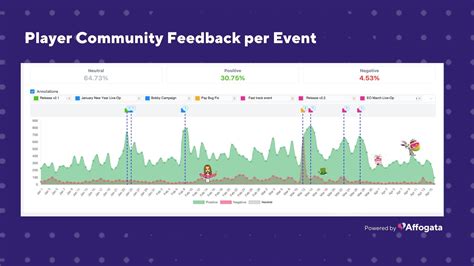
A launch-day review, though meticulously crafted, captures only a snapshot. For games like ‘No Man’s Sky,’ ‘Cyberpunk 2077,’ or ‘Final Fantasy XIV,’ initial reception wildly differed from their eventual, polished versions. Players often feel misled by high launch scores for games that quickly falter, or by low scores that ignore significant improvements. This dynamic environment necessitates a re-thinking of what a game review truly represents and how its value is communicated over time.
Integrating player feedback is another critical, yet often overlooked, aspect. While professional critics offer expert perspectives, the collective experience of thousands or millions of players provides invaluable insight into long-term playability, balance, and community health. The challenge lies in sifting through the noise to identify constructive criticism and widespread sentiment.
Strategies for Dynamic & Reflective Reviewing
1. Re-Evaluation and Supplementary Reviews
One straightforward approach is to periodically revisit games. This could involve full re-reviews for major updates or expansions, or supplementary articles focusing on specific changes. Some outlets opt for “score updates” or “revisiting” pieces that append new thoughts to the original review without altering the initial score, providing context while preserving historical accuracy.
2. Implementing a Dynamic Scoring System
A more radical solution is a dynamic scoring system where a game’s score is not fixed but can fluctuate based on ongoing updates and sustained player sentiment. This would require clear criteria for score adjustments and transparent communication regarding when and why a score has changed. While complex to implement, it would offer the most accurate reflection of a game’s current state.
3. Integrating Community Feedback Ethically
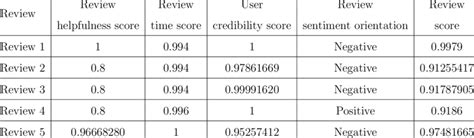
While not replacing critical analysis, community feedback can inform re-evaluations. Reviewers could highlight widespread issues or successes reported by players, acknowledging their experiences. This requires discerning genuine feedback from superficial complaints, perhaps by analyzing sentiment across multiple platforms and long-term player retention data, rather than just launch-day hype or backlash.
4. Transparency and Clear Review Policies
Regardless of the chosen method, transparency is paramount. Review outlets should clearly state their policy on post-launch game evaluations. This includes whether scores will be updated, how frequently, and what criteria trigger a re-evaluation. A dedicated “updated on” timestamp and a changelog for the review itself can build significant trust with the audience.

The Future of Game Reviews: Credibility Through Adaptability
The modern gaming landscape demands that review outlets adapt their practices to remain relevant and credible. Sticking to a ‘set-it-and-forget-it’ model for reviews in an era of continuous evolution is no longer sustainable. By embracing strategies that account for ongoing updates and meaningful player feedback, reviewers can ensure their scores truly reflect a game’s journey, from launch to its living, breathing state.
Ultimately, the goal is to provide a service that empowers consumers with the most accurate and up-to-date information, fostering a healthier dialogue between developers, players, and critics. The challenge is significant, but the rewards—increased trust and more informed decisions—are well worth the effort.