Best solo queue strategy to rank up consistently in competitive FPS games?
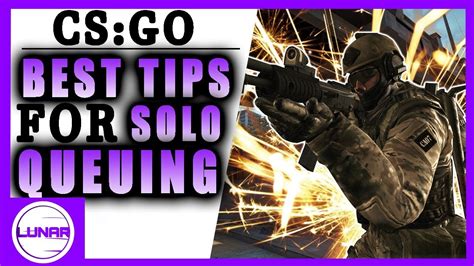
Climbing the ranks in competitive First-Person Shooter (FPS) games can be a daunting challenge, especially when you’re navigating the unpredictable waters of solo queue. Without a pre-made team, you’re often paired with strangers whose skill levels, communication styles, and even intentions can vary wildly. Yet, countless players achieve high ranks playing primarily solo. The key isn’t luck; it’s a refined strategy centered around individual improvement, adaptability, and a resilient mindset.
Embrace Individual Responsibility and Self-Improvement
The first step to solo queue success is to shift your focus from your teammates’ shortcomings to your own. You can’t control what others do, but you have absolute control over your performance. Dedicate time to improving your core mechanics: aim, movement, and utility usage. Practice routines in aim trainers or in-game deathmatches are crucial. Understand the meta and your chosen agent/character’s role and abilities inside out. Being consistently good at your own role, irrespective of your team composition, will inherently increase your win probability.
Master Your Role and Adapt to Team Needs
While specializing in one or two roles is beneficial, being flexible is paramount in solo queue. Be prepared to fill gaps in your team composition. If no one picks a healer or a tank, and you have some proficiency, consider stepping up. However, don’t sacrifice your primary strengths. If you’re an elite duelist, communicate that you can carry on that role. Beyond role selection, adapt your playstyle to your team. Are your teammates playing aggressively? Support their pushes. Are they passive? Try to initiate plays or hold angles for them. Look for synergy, even if it’s not perfect.
Strategic Decision Making & Map Awareness
Solo queue often lacks coordinated calls, so your personal game sense becomes incredibly valuable. Develop strong map awareness – constantly check your minimap, listen for footsteps and ability cues, and anticipate enemy movements. Make informed decisions about when to push, when to fall back, when to rotate, and where to plant/defuse. Even without explicit communication, you can make plays that complement your team’s unstated intentions. If you see two teammates pushing one flank, consider holding another angle or pushing the opposite side to split enemy attention.
Effective Communication (Even Minimal)
Even if voice chat is quiet or toxic, effective communication is still possible. Use pings for enemy locations, objective status, or to suggest movements. Simple, clear, and concise calls in voice chat, even if you’re the only one talking, can sometimes rally a disorganized team. Avoid toxicity at all costs; negative comments only breed more negativity and diminish team performance. Focus on positive reinforcement or constructive, neutral calls. Sometimes, just being the one positive voice can shift the team’s morale.
Cultivate Mental Fortitude and Resilience
Solo queue is a mental game as much as it is a skill game. You will encounter frustrating situations: AFK teammates, toxic players, unlucky rounds, and losing streaks. It’s crucial not to tilt. Take short breaks between games, especially after a tough loss. Remind yourself that every game is an opportunity to improve, regardless of the outcome. Mute toxic players immediately. Focus on your performance and learning from mistakes rather than dwelling on external factors. A calm, focused mindset allows you to perform optimally and recover from setbacks.

Review and Learn from Your Games
One of the most underutilized strategies for solo queue improvement is post-game analysis. If your game allows, record and review your gameplay. Look at your deaths: could you have played that differently? Were your utility usages optimal? Did you make the right rotations? Identify patterns in your mistakes and actively work on correcting them in subsequent games. This self-critical approach, combined with consistent practice, is the fastest way to understand your weaknesses and turn them into strengths.
Ranking up consistently in solo queue isn’t about carrying every game; it’s about consistently being the best player you can be in every game, regardless of your team. By focusing on individual skill, strategic adaptability, positive communication, and mental resilience, you’ll not only climb the ranks but also become a significantly better FPS player overall.