Gaming moderators: What actionable strategies reduce toxicity & boost positive engagement?
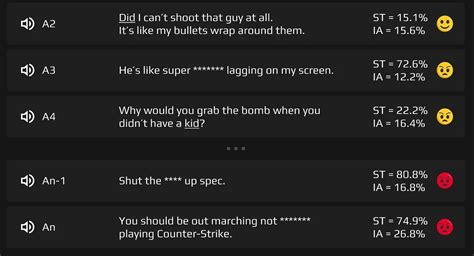
In the vast, interconnected world of online gaming, moderators stand as the unsung heroes, tasked with the monumental challenge of cultivating positive communities while simultaneously battling the pervasive issue of toxicity. Their role is pivotal, influencing not just player experience but also game longevity and brand reputation. But what specific, actionable strategies can these frontline guardians employ to significantly reduce negativity and amplify positive engagement?
Establishing Clear & Proactive Guidelines
The first line of defense against toxicity is a robust, clearly communicated set of community guidelines. These rules should be easily accessible, unambiguous, and cover a wide range of potential offenses, from hate speech to griefing. More importantly, they must be enforced consistently. Regular public reminders of these guidelines, perhaps integrated into loading screens or login prompts, can reinforce expected behavior.
- Visible Rule Sets: Ensure rules are prominently displayed in-game, on forums, and official social media channels.
- Educational Onboarding: Integrate short tutorials or pop-ups for new players explaining community expectations.
- Pre-emptive Filters: Utilize automated chat filters for common slurs or toxic phrases, coupled with instant feedback to the user on why their message was blocked.
Responsive & Consistent Enforcement
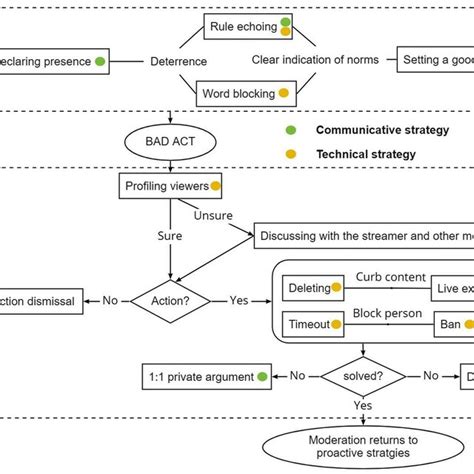
While prevention is key, reactive measures are inevitable. When toxicity emerges, the response must be swift, fair, and consistent. Inconsistency in applying rules can breed resentment and undermine moderator authority. It’s crucial for the moderation team to have a unified understanding of what constitutes a breach and the appropriate consequences.
Implementing a tiered warning and punishment system allows for gradual escalation, giving players opportunities to correct their behavior before facing more severe penalties. Transparency regarding the reasons for disciplinary action, without revealing personal details, can also build trust within the community.
- Tiered Punishment System: From warnings and temporary mutes to short-term bans and permanent exclusions, apply escalating consequences.
- Swift Action: Address reported incidents quickly to show that toxic behavior is not tolerated.
- Post-Action Feedback: Provide clear, concise reasons for disciplinary actions to the affected player, fostering understanding.
Fostering Positive Engagement & Recognition
Moderation isn’t solely about policing; it’s also about nurturing a positive environment. Actively promoting and rewarding constructive behavior can be just as effective as punishing negative actions. This involves highlighting positive interactions, recognizing helpful players, and creating spaces where good sportsmanship thrives.
Community events, contests, and initiatives that encourage teamwork and positive interaction can significantly shift the community’s overall tone. Moderators can also be more visible and approachable, engaging with players not just as enforcers, but as community facilitators.
- Player Recognition Programs: Highlight players who demonstrate exemplary behavior through in-game titles, cosmetic rewards, or community shout-outs.
- Organized Community Events: Host events that promote cooperation, creativity, or friendly competition.
- Direct Moderator Interaction: Encourage moderators to actively participate in positive discussions and offer support, not just intervene in conflicts.
Empowering & Supporting the Moderator Team
Moderators are at the forefront of this battle, and their well-being and effectiveness are paramount. Providing them with the right tools, training, and support is non-negotiable. This includes access to advanced moderation tools, clear escalation paths for complex issues, and regular training sessions on de-escalation tactics and understanding diverse player bases.
Moreover, the emotional toll of dealing with constant negativity can be significant. Implementing peer support systems, offering mental health resources, or simply acknowledging their hard work can prevent burnout and maintain a motivated, effective team.

- Advanced Toolkits: Equip moderators with efficient tools for logging, tracking, and actioning reports.
- Ongoing Training: Regular workshops on conflict resolution, cultural sensitivity, and new community trends.
- Well-being Support: Establish a system for moderators to debrief, share experiences, and access resources for mental health support.
The Path Forward: A Holistic Approach
Ultimately, reducing toxicity and boosting positive engagement is not a one-time fix but an ongoing, evolving process. It requires a holistic approach that integrates proactive prevention with responsive intervention, all while actively cultivating a culture of positive interaction and fully supporting the moderation team. By consistently applying these actionable strategies, gaming communities can transform from battlegrounds of negativity into vibrant, welcoming spaces where players truly enjoy their shared experiences.