Post-Indie Spotlight slump: how to sustain buzz?
An ‘Indie Spotlight’ can be a dream come true for a burgeoning game studio – a sudden surge of visibility, a rush of new players, and invaluable industry recognition. However, as quickly as the spotlight illuminates, it can fade, leaving developers to grapple with the ‘post-spotlight slump.’ The challenge then becomes: how do you convert that fleeting attention into sustained buzz and a thriving community? It’s a common pitfall, but with strategic planning, it’s entirely surmountable.
Beyond the Initial Blaze: Understanding the Post-Spotlight Challenge
The euphoria of an Indie Spotlight is often followed by the stark reality of maintaining momentum. Traffic dips, social media engagement plateaus, and the initial sales surge tapers off. This isn’t a sign of failure; it’s a natural cycle. The key is to understand that the spotlight is a catalyst, not a self-sustaining engine. Preparing for the aftermath, and having a clear strategy to engage and re-engage, is crucial for turning that brief moment of fame into a stepping stone for long-term success.
Strategic Pre-Launch Community Building: Laying the Groundwork
Sustaining buzz actually begins long before the spotlight hits. A robust, engaged community cultivated during development is the most resilient foundation. Platforms like Discord, dedicated forums, and regular devlogs help foster a sense of ownership and connection among early adopters. These loyal fans become your biggest advocates, amplifying your message and generating organic buzz, which is invaluable when the initial media attention wanes.
The Power of Consistent Communication: Devlogs & Social Media
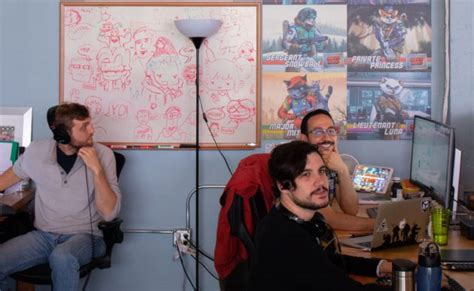
After a major spotlight, silence is your enemy. Keep your community informed and excited with consistent communication. This means regular devlogs detailing progress, transparent discussions about challenges, and a vibrant social media presence. Share behind-the-scenes glimpses, celebrate small victories, and ask for feedback. Show your players that the journey continues and that their involvement is valued. This ongoing dialogue builds trust and maintains a pulse of excitement around your project.
Utilize platforms where your audience congregates, whether it’s Twitter, Reddit, or YouTube. Visual content – short gameplay clips, concept art, or developer interviews – can be particularly effective in grabbing attention and communicating updates quickly.
Strategic Content Updates and Expansions: Keeping Gameplay Fresh
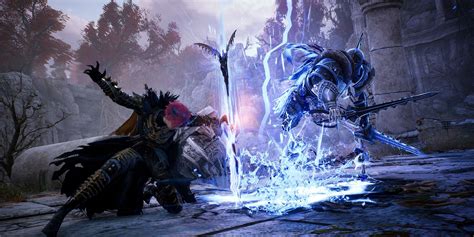
Nothing revives interest like fresh content. Develop a post-launch roadmap that includes free content updates, balancing patches, and potentially paid DLC. These updates provide new reasons for existing players to return and for new players to jump in. Each major update can be treated as a mini-launch, offering a new hook for press, influencers, and your community to talk about.
Listen intently to player feedback for ideas on new features, quality-of-life improvements, or even entirely new game modes. Releasing content that directly addresses community desires not only improves your game but also reinforces the idea that you are building the game *with* your players.
Re-engaging Press and Influencers: New Angles, New Stories
Don’t consider media outreach a one-time event. After your spotlight, you’ll have new developments to share. Reach out to journalists and content creators with compelling new angles: a significant content update, a major milestone achieved, a unique community event, or even a deep dive into player data. Highlight the evolution of your game since its initial exposure. Influencers who previously covered your game might be eager to revisit it if there’s a fresh story to tell, bringing new eyes to your updated title.

Leveraging Analytics and Player Feedback for Iterative Growth
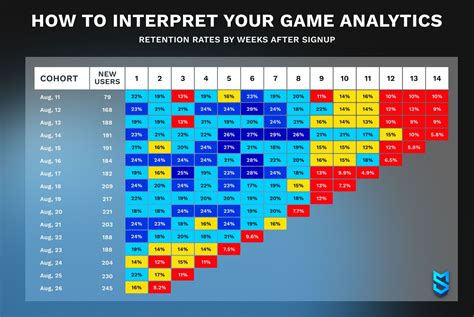
Data is your friend in understanding where buzz might be faltering and how to reignite it. Analyze player behavior, retention rates, and engagement patterns. Couple this quantitative data with qualitative feedback from forums, social media, and surveys. Use these insights to identify what’s working, what’s not, and where to focus your development and marketing efforts. Iterative improvement based on a clear understanding of your audience will drive sustained interest and prove your commitment to the game’s longevity.
Conclusion: The Long Game of Indie Success
The post-Indie Spotlight slump is less about a failure to maintain initial hype and more about the transition from a sprint to a marathon. Sustaining buzz is an ongoing commitment to your game and your community. By laying solid foundations with pre-launch community building, maintaining consistent communication, strategically releasing fresh content, continuously engaging with media, and listening actively to your players, you can ensure that the glow of your Indie Spotlight transforms into a steady, enduring flame of success.