How do modders best manage user expectations for updates and bug fixes?
The Unspoken Contract: Why Managing Expectations Matters
Modding is a passion project for most, a labor of love that enhances countless gaming experiences. Yet, the joy of creating can quickly turn into stress when users develop unrealistic expectations for updates, new features, and instant bug fixes. A healthy modding community thrives on mutual respect and understanding, and at its core, this means modders must actively manage user expectations. This isn’t about stifling enthusiasm, but about fostering a sustainable environment where both modders and players can enjoy the process.
Establishing Transparent Communication Channels
The first step in managing expectations is creating clear, accessible channels for communication. Modders often work alone or in small, volunteer teams, a reality not always understood by users accustomed to professional game development cycles. By openly sharing your status and limitations, you build a foundation of trust.
Regularly update your mod page, forum thread, or Discord server about the current state of development. Share what you’re working on, what challenges you’re facing, and any known issues. Even a brief ‘no news is good news’ or ‘still working on it’ can go a long way in preventing user frustration from silence.
Setting Realistic Timelines and Scope
One of the biggest pitfalls for modders is over-promising or setting hard deadlines. Life happens, and modding is typically a hobby that takes a backseat to real-world responsibilities. Avoid giving specific release dates unless you are absolutely certain, and even then, build in some buffer time. It’s always better to under-promise and over-deliver.
Be clear about the scope of your project. If you’re not planning a major overhaul, communicate that. If a requested feature is beyond your current capacity or vision for the mod, respectfully explain why. Managing scope also means being upfront about what bug fixes are a priority versus minor visual glitches that might take longer to address.
Streamlining Bug Reporting and Feedback
An organized approach to bug reports is essential. Provide clear guidelines on how users should submit bugs, what information you need (e.g., game version, mod list, reproduction steps, log files), and where to submit them. This educates users and significantly reduces the noise of unhelpful or duplicate reports.
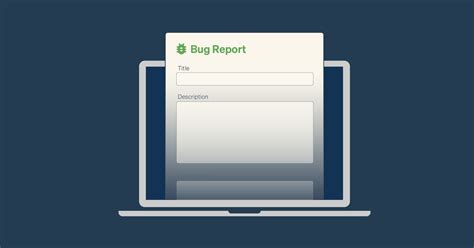
Acknowledge bug reports, even if just with a quick ‘seen’ or ‘investigating.’ This lets users know their input is valued and not ignored. Prioritize critical bugs that break the game over minor inconveniences. For ongoing or complex issues, provide occasional updates on your progress, even if a fix isn’t imminent.
Cultivating a Supportive Community Culture
The modding community is a shared space. Modders can foster a positive environment by actively engaging with users, answering questions respectfully, and educating them about the realities of mod development. Encourage helpfulness among users themselves, where experienced players can assist newcomers with common issues.
Conversely, it’s crucial to set boundaries. Do not tolerate abuse or overly demanding behavior. Remind users that modders are volunteers and deserve respect. A strong community culture, nurtured by the modder, becomes a self-regulating mechanism for managing expectations.
Strategic Update Cadence
While frequent updates might seem ideal, a consistent but not necessarily rapid update cadence can be more beneficial for expectation management. Predictable communication, even if it’s just a monthly progress report, is often better than long periods of silence followed by a huge, unexpected update.
When an update is released, ensure you provide a clear changelog and inform users about any known issues that persist. This post-release communication is just as vital as pre-release transparency in setting expectations for the new version.
Conclusion
Managing user expectations isn’t a one-time task but an ongoing commitment to open communication, realistic goal-setting, and community engagement. By being transparent about development, clear about scope and timelines, organized with bug reports, and firm in setting community boundaries, modders can create a more enjoyable and less stressful experience for themselves, leading to a more patient, understanding, and ultimately more supportive user base. This balanced approach ensures the heart of modding – creativity and shared enjoyment – continues to thrive.