What’s key to concise, high-impact gaming guides that boost SEO & player retention?

The Evolving Landscape of Gaming Guides
In the vast, ever-expanding universe of video games, players constantly seek an edge, a shortcut, or simply a clearer understanding. This demand fuels an insatiable appetite for gaming guides. However, with an overwhelming amount of information available, the real challenge for content creators isn’t just producing guides, but crafting ones that are concise, high-impact, easily discoverable via search engines, and capable of fostering long-term player retention.
Gone are the days when a sprawling text document sufficed. Modern players expect immediate value, clarity, and relevance. This article delves into the core principles required to achieve this delicate balance.
The Power of Conciseness: Getting Straight to the Point
Attention spans are shorter than ever. A concise guide respects a player’s time, delivering crucial information without unnecessary fluff. This means front-loading the most important details, using clear and direct language, and avoiding lengthy introductions or tangents. Bullet points, numbered lists, and short paragraphs are your best friends here, allowing players to quickly scan and extract the information they need.
Focus on answering specific questions directly. If the guide is about defeating a boss, detail the mechanics, weak points, and recommended strategies immediately. If it’s about a build, provide the item list and skill order upfront, with explanations following.
Delivering High-Impact Information
Conciseness alone isn’t enough; the information must also be impactful. High-impact guides offer genuine value, providing insights that genuinely help players overcome challenges, optimize gameplay, or discover new aspects of a game. This often involves:
- Actionable Advice: Don’t just explain; instruct. Tell players what to do, how to do it, and when.
- Specific Examples: Illustrate points with in-game scenarios, item names, or character abilities.
- Unique Perspectives: Offer strategies or tips that aren’t widely known, or present common knowledge in a fresh, more understandable way.
- Visual Aids (Implied): While not directly creating images, planning for screenshots, maps, or video clips (if applicable to your platform) can significantly boost impact.
The goal is for a player to leave your guide feeling empowered and better equipped to play the game.
Boosting SEO: Making Your Guides Discoverable
Even the most brilliant guide is useless if no one can find it. Search Engine Optimization (SEO) is paramount for discoverability. Think like a player searching for help:
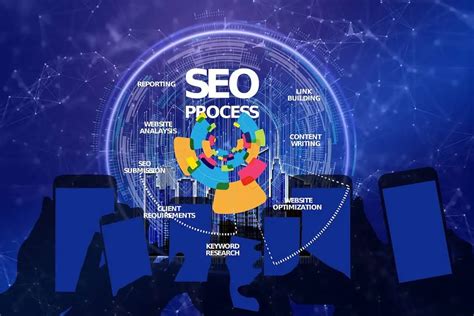
- Keyword Research: Identify the specific terms players use when looking for guides (e.g., “[Game Name] best build,” “[Boss Name] strategy,” “[Quest Name] walkthrough”).
- Strategic Placement: Naturally integrate these keywords into your guide’s title, headings (H1, H2, H3), introductory paragraphs, and image alt text.
- Structured Data: Utilize schema markup where appropriate to help search engines understand your content better and potentially earn rich snippets.
- Mobile-Friendliness: Ensure your guide is easily readable and navigable on mobile devices, as a significant portion of gaming traffic comes from smartphones.

Fostering Player Retention and Community
A great guide doesn’t just solve a player’s immediate problem; it encourages them to return. This is where player retention comes into play. By consistently providing high-quality, reliable, and helpful content, you build trust and establish your platform as a go-to resource.
- Consistency: Regular updates and new guides keep players engaged.
- Authority: Demonstrate deep knowledge and genuine passion for the game.
- Call to Action: Encourage comments, questions, or sharing, fostering a sense of community.
- Cross-linking: Link to other relevant guides on your platform to keep players exploring your content.
Ultimately, a positive experience with one guide makes players more likely to seek out your other content and become loyal followers.

Practical Steps for Creating Winning Guides
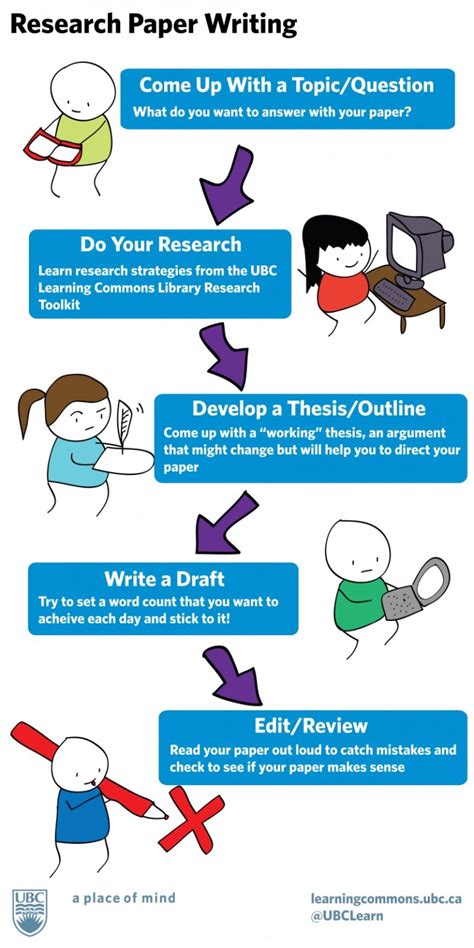
To put these principles into action, consider a streamlined workflow:
- Identify the Need: What specific problem or question are players facing?
- Outline Key Points: Before writing, list the essential information that *must* be included.
- Draft Concisely: Write the guide, focusing on clarity and brevity. Eliminate jargon where possible or explain it clearly.
- Inject Impact: Review for actionable advice, unique insights, and specific examples.
- Optimize for SEO: Integrate relevant keywords naturally and ensure proper heading structure.
- Review for Clarity & Accuracy: Proofread thoroughly and verify all game-related information.
Conclusion
Creating concise, high-impact gaming guides that boost both SEO and player retention is a sophisticated art form. It demands a keen understanding of player needs, a commitment to clear communication, and a strategic approach to discoverability. By focusing on delivering immediate, valuable insights in an easily digestible format, while simultaneously optimizing for search engines and nurturing community engagement, content creators can ensure their guides not only reach their intended audience but also keep them coming back for more, solidifying their position as an indispensable resource in the gaming world.