What actionable strategies help gaming community mods combat toxicity and burnout?
Gaming community moderators are the unsung heroes who maintain order and foster positive interactions within virtual worlds. However, this vital role comes with significant challenges: relentless exposure to toxicity and the risk of severe burnout. To ensure the longevity of both their mod teams and the communities they serve, developing robust, actionable strategies is paramount.
Establishing a Strong Foundation Against Toxicity
Combating toxicity effectively begins with clear, consistent, and proactive measures. A well-defined code of conduct is the cornerstone, explicitly outlining acceptable and unacceptable behaviors. This document should be easily accessible, understood by all members, and regularly updated to reflect community standards and emerging issues.

Beyond static rules, leveraging automated moderation tools can significantly lighten the load. AI-powered filters for profanity, spam, and even suspicious links can pre-emptively catch much of the low-level toxicity, allowing human moderators to focus on more nuanced and severe infractions. These tools, however, require careful calibration to avoid false positives and should always be overseen by human judgment.
Empowering the community to be part of the solution is another critical strategy. Implementing user-friendly reporting systems and encouraging peer-to-peer positive reinforcement can create a collective sense of responsibility. When community members feel ownership over the health of their space, they become allies in moderation, rather than just passive observers.
Prioritizing Mod Well-being and Preventing Burnout
Burnout is a silent epidemic among online moderators, driven by constant exposure to negativity, high-stress situations, and often, a lack of appreciation. Addressing this requires a dedicated focus on the moderators’ mental and emotional health.
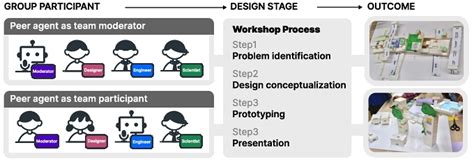
Implementing a rotation system for high-stress shifts or specific moderation tasks can distribute the burden more evenly and prevent any single mod from being continuously exposed to the worst of the community. Encouraging mods to take regular breaks, step away from their screens, and maintain a healthy work-life balance is not just good advice, it should be an enforced team policy.
Creating a supportive internal network for the mod team is vital. This could involve dedicated private channels for sharing experiences, debriefing difficult situations, and offering emotional support. Providing access to mental health resources, even if just a list of external services, demonstrates a commitment to their well-being. Regular check-ins from team leads can also help identify early signs of stress or burnout.

Finally, recognition and appreciation, though often overlooked, play a crucial role. Acknowledging the hard work and dedication of moderators, whether through private thanks, public shout-outs (if desired by the mod), or small perks, can significantly boost morale and reinforce their value to the community.
Effective Communication and De-escalation
When toxicity does arise, how mods respond is critical. Training in de-escalation techniques is invaluable. This involves remaining calm, using neutral and objective language, focusing on the specific behavior rather than attacking the individual, and clearly stating the consequences of continued disruptive actions.
Consistency in enforcing rules is paramount. When moderation is perceived as arbitrary or biased, it erodes trust and can fuel further resentment and toxicity. All mods should be aligned on the interpretation and application of guidelines. Transparency, where appropriate, regarding moderation decisions can also help community members understand the reasoning behind actions, though privacy and safety should always take precedence.
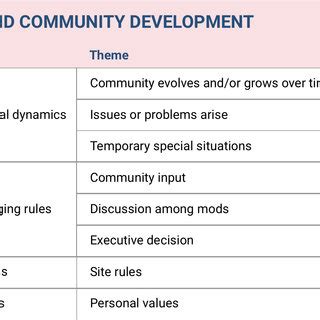
Establishing clear communication channels for appeals and feedback on moderation decisions can also turn a potential conflict into a learning opportunity. This shows that the mod team is open to dialogue and accountable, fostering a more mature and resilient community dynamic.
Conclusion: Building Sustainable Communities
The role of a gaming community mod is challenging but indispensable. By proactively establishing clear guidelines, leveraging technology, empowering the community, and crucially, prioritizing the well-being of their moderation teams, community leaders can build sustainable environments that resist toxicity and prevent burnout. A healthy, well-supported mod team is the bedrock of a thriving, positive gaming community.