How do moderators handle user-submitted mods for quality and game compatibility?

The Crucial Role of Mod Moderation
User-submitted modifications (mods) are the lifeblood of many gaming communities, extending game longevity and offering fresh experiences. However, an unmoderated influx of mods can quickly degrade the player experience, leading to game crashes, security risks, or inappropriate content. This is where dedicated moderation teams step in, acting as guardians of both game integrity and community standards.
Their primary goal is to ensure that every mod available for download enhances, rather than detracts from, the gaming environment. This complex task involves a delicate balance of technical scrutiny, content review, and community engagement, all aimed at fostering a vibrant, safe, and stable modding ecosystem.
Initial Screening and Automated Tools
The journey of a user-submitted mod typically begins with an initial screening process. Upon submission, mods often pass through automated systems designed to catch immediate red flags. These tools perform basic file integrity checks, ensuring the mod isn’t corrupted or incomplete. They also scan for known malicious code or viruses, which is a critical first line of defense against security threats.
Beyond security, automated systems can also check for compliance with basic platform requirements, such as file size limits, correct file types, and adherence to naming conventions. While these automated checks are efficient, they serve primarily as a filter, allowing human moderators to focus their attention on more nuanced aspects of mod quality and compatibility.
Manual Review for Content and Quality Standards
Following automated screening, human moderators conduct a thorough manual review. This stage is crucial for assessing the mod against community guidelines and quality standards. Moderators examine the mod’s description, images, and actual in-game content to ensure it is appropriate, free from offensive material, and accurately represented. They look for clear instructions, proper attribution, and overall professionalism.
Quality control extends beyond just content. Moderators evaluate the mod’s design, aesthetic coherence, and originality. Does it feel like a polished addition, or does it appear rushed or uninspired? This subjective assessment helps maintain a high standard for the entire modding platform, encouraging creators to put their best work forward.
Ensuring Technical Compatibility and Stability
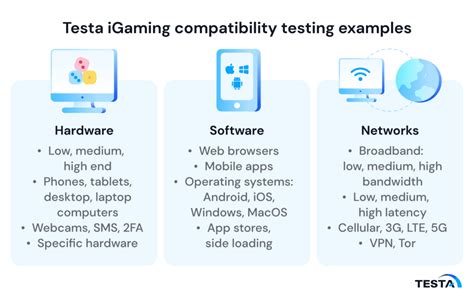
Perhaps the most challenging aspect of mod moderation is ensuring technical compatibility and stability. Moderators often test mods in a controlled environment, running them against different game versions and common configurations. They check for game crashes, performance degradation, and conflicts with other popular mods. This requires a deep understanding of the game’s engine and common modding pitfalls.
Compatibility isn’t static; as games receive updates, previously stable mods can break. Moderation teams must stay vigilant, often re-evaluating older mods after major game patches. They also look for exploits or unintended advantages that a mod might introduce, which could compromise fair play in multiplayer environments.
Leveraging Community Feedback
Even the most dedicated moderation team cannot catch every issue. This is where the broader gaming community becomes an invaluable asset. Most modding platforms incorporate systems for users to report bugs, provide feedback, and rate mods. Moderators actively monitor these channels, using community input to identify problematic mods that may have slipped through initial checks or developed issues after game updates.
User reports can trigger further investigation, leading to a mod being updated, temporarily removed for fixes, or permanently delisted if severe issues persist. This feedback loop is essential for maintaining the long-term health and reliability of the mod ecosystem, fostering a collaborative environment between creators, players, and moderators.
Challenges and Ongoing Vigilance
The task of mod moderation is continuously evolving and fraught with challenges. The sheer volume of submissions can be overwhelming, especially for popular titles. Furthermore, the technical complexity of mods can vary wildly, requiring diverse expertise within the moderation team. Keeping pace with frequent game updates and the ever-changing landscape of modding tools demands constant learning and adaptation.
Moderators must also balance strict adherence to rules with fostering creativity and innovation within the community. Overly stringent policies can stifle new ideas, while lax ones can quickly lead to chaos. This constant balancing act, combined with the often thankless nature of the work, highlights the dedication required to manage a thriving modding community effectively.

Conclusion: Fostering a Thriving Mod Ecosystem
In conclusion, the process by which moderators handle user-submitted mods for quality and game compatibility is a multi-layered, rigorous endeavor. It combines automated checks for efficiency, manual review for nuanced content and quality assessment, technical testing for stability, and crucial community feedback for ongoing vigilance. This comprehensive approach ensures that players can enjoy a rich and diverse array of modifications without compromising their game’s integrity or their personal security.
Ultimately, dedicated moderation teams are indispensable for cultivating a healthy, creative, and sustainable modding environment, allowing both game developers and players to reap the full benefits of a vibrant user-generated content scene.