





How to keep gaming reviews relevant post-launch patches and content updates?

The gaming industry has fundamentally shifted. Once, a game’s launch marked its definitive state, with reviews serving as timeless evaluations. Today, however, post-launch patches, downloadable content (DLC), and major updates can dramatically alter a game’s experience, often transforming it into something entirely different months or even years after its initial release. This continuous evolution poses a significant challenge: how do gaming reviews remain relevant when the very subject they evaluate is a moving target?
The Evolving Landscape of Game Releases
Modern gaming is increasingly characterized by a “live service” model, even for many single-player titles. Developers routinely fix bugs, rebalance mechanics, add new features, and expand storylines long after the initial release day. Games like No Man’s Sky, Cyberpunk 2077, and Final Fantasy XIV are prime examples of titles that launched to mixed receptions but were later praised for their extensive post-launch improvements. This dynamic environment means that a review published on day one, while accurate for that specific moment, quickly risks becoming an outdated artifact rather than a useful guide.

Strategies for Maintaining Review Relevance
Living Reviews and Update Appendices
One effective strategy is the adoption of “living reviews.” Instead of a static article, publications can update their original reviews with addendums, new sections, or even entirely re-evaluate the game as significant patches or content drops occur. This provides readers with a historical context of the game’s journey while also offering a current assessment. Short, focused “post-patch impressions” articles or video updates can also bridge the gap between major content releases, keeping the conversation active and informed.
This approach demands ongoing commitment from reviewers, transforming the act of reviewing into a continuous process rather than a one-time event. It also requires clear editorial policies on when and how these updates are made, ensuring transparency for the audience.
Focusing on Core Design and Intent
While gameplay mechanics and content can change, certain foundational elements often remain constant. Reviews can prioritize an analysis of the game’s core design philosophy, its artistic direction, narrative themes, and innovative concepts. These aspects are less likely to be completely overhauled by patches and can provide a more enduring perspective. A review that intelligently dissects the game’s original vision and potential, alongside its launch-day execution, may age more gracefully.
Transparent Versioning and Methodology
Crucially, every review should explicitly state the version of the game being reviewed, including the patch number. This transparency allows readers to understand the context of the evaluation. Publications can also adopt clear methodologies that acknowledge the potential for future change, perhaps even including a section that speculates on a game’s long-term potential or known issues slated for future fixes. This sets expectations and empowers readers to revisit the review later, knowing what version it pertains to.
Beyond the Initial Score: A Holistic Approach
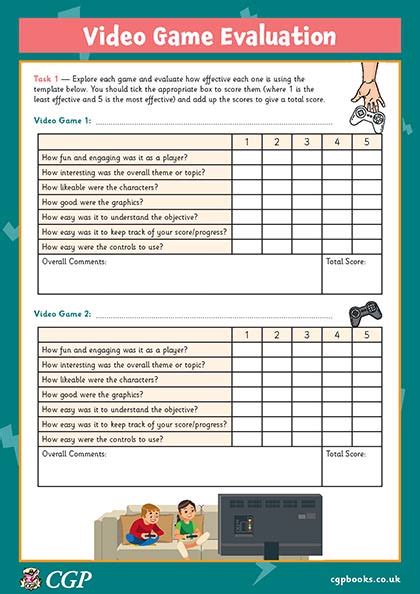
The traditional numerical score, while convenient, struggles to encapsulate the evolving nature of games. While a score might be accurate for a specific version, it can become misleading over time. Publications might consider supplementing or even replacing static scores with more dynamic rating systems, or perhaps shifting emphasis towards comprehensive qualitative analysis. Focusing on the “why” behind the experience rather than just the “what” can provide a richer, more durable insight.
Furthermore, incorporating community sentiment and long-term player engagement into subsequent evaluations can offer valuable insights into a game’s sustained appeal and overall health. A truly relevant review today goes beyond one person’s initial take; it becomes part of an ongoing dialogue.
The Role of Critics and Publications
The responsibility for maintaining review relevance lies squarely with critics and the publications they write for. This means investing resources into revisiting games, updating content, and developing new editorial frameworks that acknowledge the live service reality. It also involves educating the audience on these new methodologies, helping them understand that a game review is no longer a static verdict but a snapshot in time, ideally accompanied by a commitment to future updates.
By embracing this challenge, reviewers can solidify their role not just as initial gatekeepers, but as ongoing curators and chroniclers of a game’s entire lifecycle, providing immense value to both consumers and developers.
In conclusion, keeping gaming reviews relevant in an age of constant updates requires a proactive, adaptive, and transparent approach. By moving beyond the traditional static review model and embracing strategies like living reviews, focusing on core design, and clear versioning, the industry can ensure that critical analysis remains a valuable and enduring resource for players navigating the ever-changing landscape of modern gaming.



