How to quickly adapt existing builds to new meta shifts without a full overhaul?

Navigating the Ever-Shifting Landscape of Game Metas
In competitive gaming, the “meta” is a constantly evolving beast. Patch updates, new content, and community discoveries can drastically alter what’s considered optimal, often leaving players scrambling to keep up. While a complete build overhaul might seem like the safest bet, it’s often time-consuming, resource-intensive, and can feel like starting from scratch. Fortunately, with a strategic approach, you can adapt your existing builds to new meta shifts quickly and effectively, preserving the core identity of your playstyle.
Deconstructing the New Meta: What Truly Changed?
The first step to adaptation is understanding the new meta. Don’t just follow popular opinion; analyze the patch notes yourself. Did specific items get buffed or nerfed? Were certain champions/characters adjusted? Did the overall game pace change? Identify the root causes of the shift – is it a new power spike, a counter-strategy emerging, or a fundamental change in objective priority? A deep understanding helps you pinpoint the most impactful areas for adjustment within your own build.

Pinpointing Your Build’s Strengths and Weaknesses
Before making changes, thoroughly assess your current build. What aspects of it remain strong in the new meta? What aspects have become liabilities? Perhaps your primary damage source is still viable, but your defensive layering is now weak. Or maybe your early game is unaffected, but your late-game scaling suffered. By isolating specific components, you can avoid unnecessary changes and focus your efforts where they’ll have the most impact.
Strategic Component Swaps: The Art of Minor Adjustments
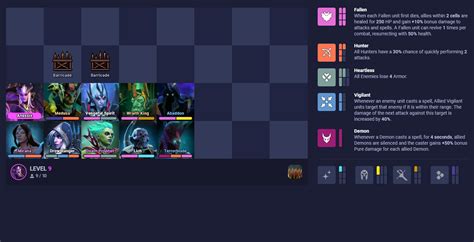
The core of quick adaptation lies in targeted, high-impact component swaps. Instead of re-specifying everything, look for one or two pieces of gear, a different rune set, an alternative talent path, or a subtle change in ability priority that directly addresses the meta shift. For example, if a new tanky meta emerges, swapping a purely offensive item for one with armor penetration or sustain might be all you need. If a specific ability is now overpowered, consider taking a counter-play ability or item.
Adjusting Playstyle to Complement Changes
Sometimes, the build itself doesn’t need radical changes, but your approach to playing it does. A new meta might favor aggressive early-game plays over passive farming, or vice versa. Your existing build might perform excellently if you adapt your positioning, target priority, or engage timing. Consider how your existing toolset can be leveraged differently to align with the new strategic landscape, even without altering many items or skills.
Prioritizing Impactful & Resource-Efficient Changes
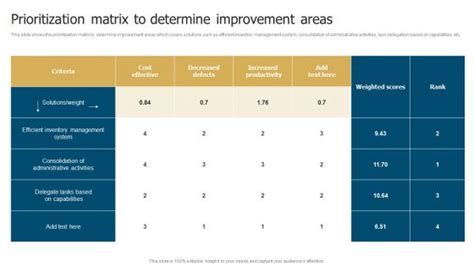
When resources (in-game currency, time, etc.) are limited, prioritize changes that offer the highest return on investment. A single item swap that counters a prevalent threat is often more efficient than re-optimizing an entire stat distribution. Focus on changes that fill critical gaps or leverage new power spikes rather than chasing marginal gains. This iterative approach allows you to test changes quickly and adjust further if needed.
Test, Refine, and Iterate
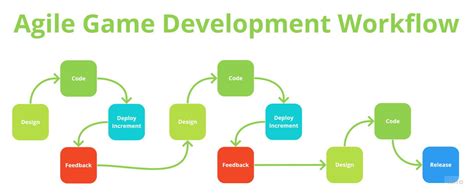
Theorycrafting is important, but practical application is crucial. After making your targeted adjustments, take your build into actual gameplay. Observe its performance. Did the changes have the desired effect? Are there new weaknesses that emerged? Be prepared to iterate. Small, frequent adjustments based on live testing are far more effective than a single, sweeping overhaul that might miss the mark.

Knowing When an Overhaul is Unavoidable
While quick adaptation is powerful, it’s also important to recognize when an existing build fundamentally no longer works. Sometimes, a patch can render an entire playstyle obsolete, or introduce a hard counter that simply cannot be played around with minor tweaks. In such rare cases, acknowledging the need for a fresh start is crucial. However, these instances are less common than subtle shifts that can be managed.
Conclusion: Stay Agile, Stay Competitive
Mastering the art of quick adaptation ensures you remain competitive without the constant headache of completely rebuilding. By thoroughly understanding meta shifts, identifying your build’s core strengths, executing targeted component swaps, and adjusting your playstyle, you can navigate the dynamic world of gaming metas with agility and efficiency. This strategic approach saves time, resources, and allows you to maintain a consistent, yet evolving, presence on the battlefield.