





What’s the best post-purchase timing for review requests?
The Critical Role of Timing in Review Collection
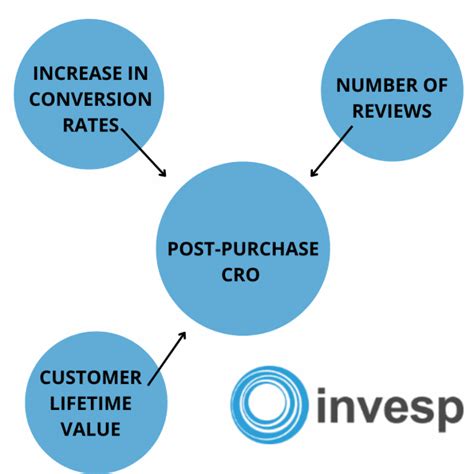
Collecting customer reviews is vital for building trust, boosting conversions, and providing valuable feedback for product improvement. However, simply asking for a review isn’t enough; when you ask can significantly impact your success rate. The optimal post-purchase timing for review requests isn’t a one-size-fits-all answer, as it depends on several factors specific to your product and customer experience.
![12 Smart Ways To Ask For A Review [+Templates] | Statusbrew](/images/aHR0cHM6Ly90czEubW0uYmluZy5uZXQvdGg/aWQ9T0lQLlhaRWZjSDhqR05hNjVyak5fbzRvbVFBQUFBJnBpZD0xNS4x.webp)
Understanding Your Product’s Consumption Cycle
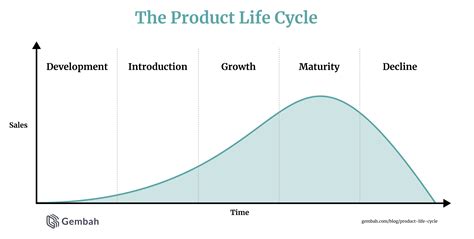
The first step in determining the best timing is to consider your product’s “time to value.” How long does it typically take for a customer to receive, use, and form an opinion about your product or service? For a digital download, it might be almost immediate. For a new pair of shoes, it could be a few days after wearing them. For a skincare product, it might take weeks to see results, and for a major appliance, even longer.
- Instant Gratification Products: For items like software, eBooks, or fast-fashion accessories, a request 1-3 days post-delivery might be effective.
- Everyday Consumables: For groceries, toiletries, or routine items, 3-7 days post-delivery allows for initial usage.
- Durable Goods/Complex Services: For furniture, electronics, or subscription services that require setup or longer engagement, 1-3 weeks (or even longer) post-delivery/activation could be more appropriate.
Key Factors Influencing Your Review Request Strategy
Beyond the product itself, several other elements play a crucial role:
Shipping and Delivery Time
Always factor in shipping time. Sending a review request before a product has even arrived is counterproductive and frustrating for the customer. Ensure your system accounts for estimated delivery dates, and ideally, send the request after confirmed delivery.
Customer Experience and Engagement
A positive customer experience makes them more likely to leave a review. If there were issues with delivery or the product, address those first. Consider sending a “how was your experience?” email before a direct review request to gauge sentiment.
Purchase Context
Was it a first-time purchase or a repeat order? Repeat customers might be more willing to leave a review sooner, given their familiarity with your brand. Also, consider if the product was part of a larger order; focus on the items the customer is most likely to have used first.
Common Review Request Timing Strategies
- Immediate Post-Delivery (1-3 Days): Best for simple, immediately usable products. Captures the initial excitement.
- Mid-Range Post-Delivery (3-7 Days): Allows enough time for most customers to have used the product and formed an opinion. This is often a sweet spot for many e-commerce businesses.
- Delayed Post-Delivery (7-30+ Days): Essential for products with a longer learning curve or where results aren’t immediately apparent (e.g., fitness equipment, educational courses, cosmetics with long-term effects).
- Phased Approach: Send an initial “delivery confirmation” or “check-in” email, followed by a review request a few days later. For complex products, you might send a “how’s it going?” email, then a “we’d love your feedback” email.
The Power of A/B Testing and Automation
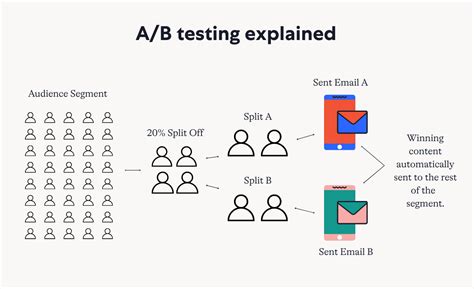
The only way to truly find your brand’s optimal timing is through A/B testing. Experiment with different delays, email subject lines, and content to see what yields the highest open and conversion rates for your specific audience and products. Most modern e-commerce platforms and review apps offer automation features that allow you to schedule review requests based on delivery dates, purchase types, and even product categories.
Utilize these tools to segment your customers and tailor the timing. For instance, you could set up different email sequences for “Apparel” vs. “Electronics” items.

Conclusion: Find Your Brand’s Sweet Spot
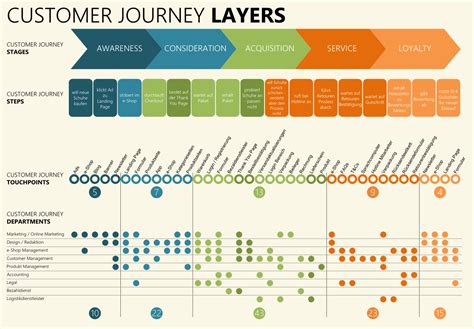
There’s no single perfect answer to when you should send a review request. The best post-purchase timing is a dynamic balance between allowing the customer enough time to experience your product and reaching out before their initial enthusiasm wanes. By carefully considering your product’s nature, typical shipping times, and customer journey, and then consistently testing and optimizing your approach, you can significantly improve your review collection rates and gather valuable insights that drive your business forward.



