Beyond a review, what Indie Spotlight content format maximizes game discoverability for devs?

While traditional game reviews play a crucial role in validating a game’s quality and helping players make purchasing decisions, their effectiveness in maximizing discoverability for indie developers often falls short. In a saturated market, a single review, even a glowing one, can quickly get lost in the noise. For indie games especially, which frequently lack massive marketing budgets, standing out requires a more nuanced, multifaceted approach to content creation.
The Discoverability Challenge Beyond the Review Score
The sheer volume of new games released daily on platforms like Steam, Itch.io, and console storefronts makes discoverability an ongoing battle. Players are overwhelmed with choices, and algorithms often favor established titles or those with significant marketing spend. A review typically focuses on the finished product, its mechanics, story, and overall experience. While essential, it rarely delves into the heart of the game’s creation, the unique challenges faced by its developers, or the evolving community around it. To truly capture attention and foster a lasting connection, indie spotlight content needs to offer more than just an assessment.

Developer Interviews and Q&As: Personalizing the Journey
One of the most powerful ways to humanize an indie game and connect with prospective players is through direct engagement with its creators. Developer interviews, whether written, audio, or video, allow the people behind the pixels to share their passion, vision, and the stories that shaped the game. A well-conducted Q&A session can reveal fascinating insights into design decisions, overcome development hurdles, or the inspiration behind unique artistic choices. This content format builds empathy and trust, turning an abstract product into a personal endeavor that players can root for.
Moreover, ‘Ask Me Anything’ (AMA) sessions, especially live streams, offer real-time interaction, allowing developers to directly address player questions and concerns, fostering a strong sense of community and transparency.
Behind-the-Scenes and Dev Diaries: Unveiling the Craft
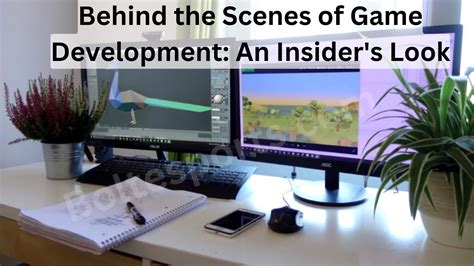
Players are increasingly interested in the process behind game creation. “Behind-the-scenes” content, often delivered as ‘Dev Diaries,’ provides a window into the making of a game. This could include early concept art, prototype footage, discussions on coding challenges, sound design processes, or even the evolution of character models. Such content demonstrates the dedication and craftsmanship involved, transforming the game from a simple entertainment product into a labor of love. It can also highlight unique aspects of the game’s development that might not be apparent in the final product, serving as compelling selling points.
Gameplay Showcases and Live Streams: Dynamic Interaction
While reviews describe gameplay, a dynamic gameplay showcase *demonstrates* it. This format includes “Let’s Play” style videos, developer-led live streams, or curated highlight reels focusing on specific mechanics, levels, or character abilities. These provide a much more immersive preview than static text or screenshots. Live streams, in particular, enable real-time engagement with chat, allowing developers to answer questions, explain design choices as they play, and even react to player feedback on the fly. This direct engagement significantly boosts player investment and offers a tangible sense of what the game feels like to play.
Thematic Deep Dives and Genre Explorations: Niche Attraction
Instead of reviewing a game in isolation, an Indie Spotlight can place it within a broader context. Thematic deep dives might explore how a game tackles a specific narrative theme, innovates on a particular game mechanic, or contributes to a unique sub-genre. For instance, an article titled “5 Indie Games Pushing the Boundaries of Procedural Generation” could feature a developer’s game alongside others, drawing in players specifically interested in that niche. This approach helps target specific audiences and positions the game as a significant contributor to a larger conversation, attracting highly engaged potential players.
Post-Mortems and “Lessons Learned”: Developer-to-Developer Value
While primarily aimed at other developers, post-mortems for released games or “lessons learned” articles can also generate significant interest from players who appreciate transparency and the challenges of game development. Understanding the journey, the successes, and even the failures, creates a stronger bond between the community and the creators. This content can highlight resilience, innovative problem-solving, and offer a unique perspective on the game’s eventual form, giving it a deeper narrative for players.

Community Spotlights and Fan Creations: Leveraging the Ecosystem
When a game starts to build a community, showcasing fan art, fan fiction, modding efforts, or community-run events can be a powerful discoverability tool. This content validates and celebrates the existing player base, encouraging further engagement and effectively turning players into advocates. Seeing a vibrant community around a game is a strong indicator of its appeal and longevity, drawing in new players who want to be part of that experience. It demonstrates that the game offers more than just gameplay; it offers a world to inhabit and a community to join.
Maximizing Impact: Beyond the Format
Regardless of the chosen format, several core principles amplify discoverability: authenticity, consistent engagement, multi-platform promotion, and strong storytelling. Each piece of content should genuinely reflect the game and its creators. Promoting this diverse content across social media, forums, and developer communities ensures it reaches the widest possible audience. Ultimately, the goal is to weave a narrative around the game that extends far beyond its review score, inviting players into its world and the journey of its creation.
By embracing these varied content formats, Indie Spotlight platforms can provide developers with a far more potent toolkit for cutting through the noise, fostering deep connections, and truly maximizing their game’s discoverability in a crowded digital landscape.