Actionable tips for summarizing complex gaming patch notes for readers?

Gaming patch notes are often dense, filled with technical jargon, and can span dozens of pages. While crucial for understanding game evolution, they can be overwhelming for the average player. As a content creator, your role is to bridge this gap, transforming complex updates into digestible, engaging summaries. This guide provides actionable strategies to help you effectively communicate the essence of monumental changes to your readership.
Know Your Audience: Tailor Your Focus
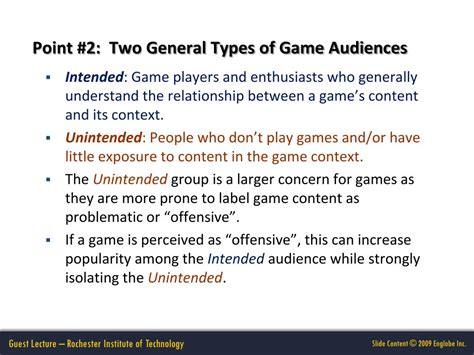
Before you even begin reading, consider who you’re writing for. Are they competitive players interested in meta shifts, casual gamers looking for new content, or lore enthusiasts? Understanding your audience dictates which details to emphasize and which to gloss over. A summary for competitive players might heavily detail balance changes, while one for casuals might focus on new events or quality-of-life improvements. Tailoring your approach ensures relevance and maximizes reader engagement.
Embrace the “TL;DR” Mentality: Lead with Key Takeaways
In today’s fast-paced digital world, attention spans are short. Start your summary with a “Too Long; Didn’t Read” (TL;DR) section or a brief bullet-point list of the most impactful changes. This allows readers to quickly grasp the core updates without sifting through extensive details. Subsequent sections can then elaborate on these points for those who want to dive deeper. Prioritizing information ensures your most crucial insights are never missed.
Prioritize and Filter: What Matters Most?
Not every line of patch notes holds equal weight. Your job is to identify the significant changes that will genuinely impact the game or player experience. Look for:
- Major balance adjustments (buffs/nerfs to characters, weapons, abilities)
- New content (maps, characters, modes, items)
- Significant bug fixes (game-breaking issues, exploits)
- Quality-of-life improvements (UI changes, accessibility features)
- Lore additions or story developments
Don’t be afraid to omit minor bug fixes or extremely niche adjustments that won’t affect the broader player base. Focus on clarity over exhaustive detail.
![[ENG] HOW TO ENABLE GAME FILTER IN CS2 ! - YouTube](/images/aHR0cHM6Ly90czMubW0uYmluZy5uZXQvdGg/aWQ9T0lQLmhtWWNmMWt4dVZMOW9tVURJYlcyaXdIYUVLJnBpZD0xNS4x.webp)
Translate Technical Jargon into Plain English
Game developers often use highly specific terminology that can be confusing to outsiders. Your summary should act as a translator. Replace terms like “hitbox adjustments,” “collision detection,” “netcode optimization,” or “asset streaming improvements” with simpler explanations. For instance, “hitbox adjustments” could become “character hit areas are more accurate,” and “netcode optimization” could be “improved online performance.” Simplify without losing accuracy.
Utilize Clear Formatting and Visual Cues
The presentation of your summary is just as important as its content. Employ strong headings (H2, H3), bullet points, numbered lists, and bold text to break up large blocks of text and highlight key information. This makes your summary scannable and easier to digest. Consider using internal links to specific sections of your article or even the original patch notes for readers who want more depth.

Highlight the “Why” and the “Impact”
Simply listing changes isn’t enough; explain their implications. Why was a particular character buffed or nerfed? How will a new map change strategic gameplay? Providing context helps readers understand the developers’ intent and how the update will affect their own gaming experience. Speculate responsibly on potential meta shifts or new player strategies, but always differentiate between fact and informed opinion.

Keep it Concise and Engaging
While detail is good, verbosity is the enemy of effective summarization. Aim for brevity in your explanations. Use active voice and strong verbs to make your writing dynamic. Avoid repetitive phrasing and unnecessary fluff. A well-crafted summary respects the reader’s time and delivers maximum information with minimum word count.
Proofread for Accuracy and Clarity
Before publishing, meticulously proofread your summary. Any misinterpretation of a patch note can lead to confusion or misinformation among your readers. Double-check all figures, names, and mechanic descriptions against the original source. Ensure your explanations are clear, unambiguous, and free of grammatical errors or typos. Accuracy builds trust with your audience.
Conclusion
Summarizing complex gaming patch notes is an art form that requires a blend of analytical skill, editorial judgment, and clear communication. By understanding your audience, prioritizing key information, simplifying jargon, and presenting your findings in an engaging format, you can transform daunting update logs into accessible and valuable resources for the gaming community. Master these tips, and you’ll become an indispensable guide for players navigating the ever-evolving landscapes of their favorite games.