How do we structure Indie Spotlights to maximize game discoverability & reader engagement?
In the vast, ever-expanding digital landscape of video games, indie titles often struggle to find their spotlight amidst the clamor of AAA releases and established franchises. For gaming journalists, content creators, and platform curators, the mission of an “Indie Spotlight” article is twofold: to significantly boost a game’s discoverability and to deeply engage readers, compelling them to explore the featured title further. But how do we craft these spotlights to achieve maximum impact?
The Core Challenge: Cutting Through the Noise
The sheer volume of new indie games released weekly can be overwhelming. Developers pour their passion into unique concepts, yet many struggle with visibility. A well-structured spotlight isn’t just a review; it’s a carefully constructed narrative designed to highlight uniqueness, evoke interest, and provide a clear path to discovery. Without a deliberate structure, even the most heartfelt write-up can get lost in the digital ether, failing both the game and the reader.
Key Elements for Maximizing Engagement and Discoverability
To truly shine, an Indie Spotlight must be more than a simple summary. It needs to be an experience in itself, drawing the reader in and painting a vivid picture of the game.
Compelling Hook & Introduction
Start strong. An intriguing question, a bold statement, or a captivating anecdote related to the game’s premise can immediately grab attention. The introduction should set the stage, briefly introduce the game, and articulate what makes it special, compelling the reader to continue.
Deep Dive into Gameplay & Mechanics
This is where the game truly comes alive. Go beyond surface-level descriptions. Explain the core loop, unique mechanics, and what the player *does* moment-to-moment. Use vivid language to describe the feel, challenge, and satisfaction derived from playing. Detail how the game innovates or reinterprets existing genres, providing concrete examples.

The Developer’s Story: Humanizing the Creation
Indie games often have compelling origin stories. Including insights from the developers – their inspiration, challenges, design philosophies, or even personal anecdotes – adds a human element that resonates deeply with readers. It fosters a connection between the audience and the creators, making the game feel more personal and its journey more significant.
Visuals & Media Integration
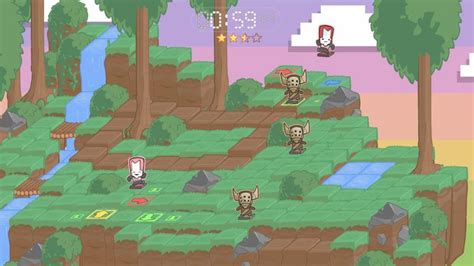
A picture is worth a thousand words, and a video is worth a thousand pictures. Strategically integrate high-quality screenshots, captivating GIF excerpts of gameplay, and embedded trailers. These visual elements are critical for breaking up text, demonstrating gameplay, and giving readers an immediate taste of the game’s aesthetic and action. Ensure they are relevant and enhance the textual description.
Clear Call to Action & Discovery Path
After piquing interest, it’s crucial to tell readers exactly what to do next. Provide direct links to the game’s store pages (Steam, Itch.io, console stores), official website, social media channels, and any available demos. Make it effortless for interested readers to take the next step and discover the game for themselves.

Optimizing for Discoverability: Beyond the Content
While the internal content structure is vital, external factors also play a significant role in discoverability. Employ SEO best practices: use relevant keywords in headings and body text, craft compelling meta descriptions, and ensure the article is easily shareable across social media platforms. Promoting the article effectively and engaging with comments and feedback further extends its reach.

Conclusion: The Art of the Effective Spotlight
Crafting an impactful Indie Spotlight is an art that blends engaging storytelling with strategic information delivery. By focusing on a strong hook, delving into unique gameplay, sharing the developer’s journey, leveraging powerful visuals, and providing clear paths to discovery, we can create articles that not only highlight deserving indie games but also cultivate a loyal, engaged readership eager to explore new digital worlds. The goal is to transform passive readers into active players, making the indie game landscape a richer, more accessible place for everyone.