How often should we update game guides post-launch for patches & DLC?
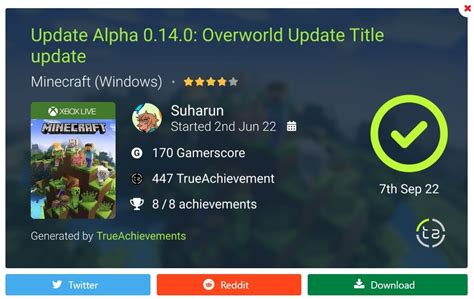
In the dynamic world of modern gaming, a game’s launch is often just the beginning. Post-launch content, including patches, hotfixes, balance changes, and substantial DLC expansions, constantly reshapes the player experience. For content creators and guide writers, this presents a unique challenge: how frequently should existing game guides be updated to remain accurate, helpful, and relevant?
The Ever-Evolving Game Landscape
Many contemporary titles, especially live-service games, are designed to evolve over time. What was true for a character build, an optimal farming route, or a boss strategy at launch might be completely obsolete after a significant update. Ignoring these changes not only frustrates players seeking accurate information but also diminishes the credibility of the guide itself.
Establishing an Update Cadence: A Tiered Approach
There’s no single answer to ‘how often,’ as it depends on the game, the type of update, and the resources available. A tiered approach is often most effective:
Minor Patches & Hotfixes (Weekly/Bi-weekly Check-ins)
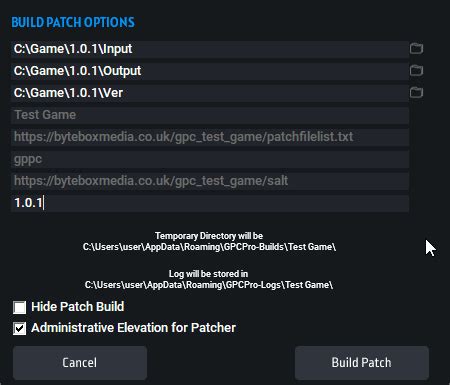
These typically address bugs, minor balance tweaks, or small quality-of-life improvements. For guides, this might involve quick text edits or small additions. A weekly or bi-weekly review of official patch notes can help identify necessary adjustments, focusing on sections directly impacted, such as specific item stats, ability descriptions, or known bug workarounds.
Major Patches & Balance Changes (Immediate to Weekly Updates)
Significant patches can introduce new mechanics, overhaul existing systems, or drastically rebalance characters and items. These demand more immediate attention. Ideally, guides for affected areas should be reviewed and updated within hours or days of a major patch’s release. This might involve rewriting entire sections on character builds, strategy, or progression paths. Prioritizing high-traffic or highly impacted sections is key here.
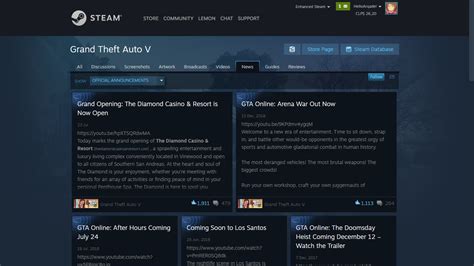
Downloadable Content (DLC) & Expansions (Comprehensive Overhaul)
DLCs are essentially mini-launches, introducing vast amounts of new content: new areas, characters, quests, items, and mechanics. Guides related to the base game will need to be cross-referenced and potentially expanded to include how the DLC integrates or changes existing systems. New guides for the DLC-specific content will also be required. This demands a comprehensive update strategy, often planned in advance of the DLC’s release if possible.
Key Considerations for Effective Guide Updates
- Player Expectations: Players expect guides to be current. Outdated information leads to frustration and a loss of trust.
- SEO & Visibility: Fresh, accurate content is favored by search engines. Regularly updated guides are more likely to rank higher and attract new readers.
- Resource Allocation: Updating guides takes time and effort. Develop a system to track changes, assign responsibilities, and prioritize updates based on impact and reader demand.
- Community Feedback: Engage with your audience. Players often identify outdated information quickly and can provide valuable input.
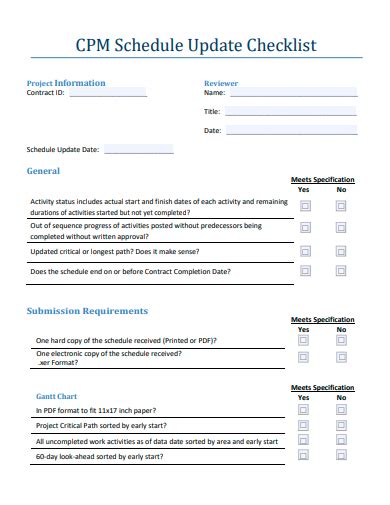
- Change Logs: Maintain clear internal (and sometimes external) change logs for your guides, noting when and what was updated.
Tools and Strategies for Streamlined Updates
To manage the ongoing task of guide maintenance, consider implementing:
- Version Control Systems: For complex guides, treat them like code. Tools like GitHub or internal documentation systems can track changes and facilitate collaboration.
- Dedicated Update Schedules: Block out specific times for reviewing patch notes and updating content.
- Modular Guide Design: Structure guides so that specific sections can be updated independently without rewriting the entire piece.
- Community Contributors: If applicable, empower a community of trusted contributors to help flag or even implement minor changes.
The Long-Term Value of Well-Maintained Guides
While the effort of continuous updating can seem daunting, the benefits are substantial. Well-maintained guides become a reliable resource, fostering a loyal audience and enhancing the overall gaming experience for players. They serve as living documents, mirroring the evolution of the games they cover, and solidify your reputation as a trustworthy authority in the gaming content space.
Ultimately, a proactive and strategic approach to updating game guides post-launch for patches and DLC is not just good practice—it’s essential for relevance, credibility, and sustained audience engagement in today’s ever-changing gaming landscape.