How do gaming community mods effectively combat toxicity without stifling genuine discussion?

In the vibrant, fast-paced world of online gaming, communities thrive on interaction, shared experiences, and passionate debate. However, this same environment can also become a breeding ground for toxicity, ranging from personal attacks and harassment to hate speech. The unsung heroes battling on this digital frontier are the community moderators. Their formidable task is not just to eradicate negativity, but to do so without silencing the very voices that make a community alive and engaging. It’s a delicate balancing act that requires strategy, empathy, and a deep understanding of human behavior.
The Mod’s Dilemma: Striking a Balance
Moderators walk a tightrope, constantly assessing what constitutes harmful behavior versus spirited discussion or legitimate criticism. Overzealous moderation can lead to a sterile environment where users fear expressing any strong opinion, stifling innovation and organic growth. Conversely, a lax approach allows toxicity to fester, driving away positive contributors and ultimately destroying the community’s fabric. The key lies in creating an atmosphere where diverse opinions can coexist and be expressed respectfully.
Core Strategies for Effective Moderation
Clear Guidelines and Transparency
The foundation of effective moderation is a comprehensive, easily accessible, and clearly communicated set of rules or a code of conduct. These guidelines should explicitly define what constitutes unacceptable behavior and the consequences of violating those rules. Transparency in moderation decisions, where appropriate, can also build trust within the community, ensuring members understand why certain actions were taken.
Consistent Enforcement
Fairness and consistency are paramount. If rules are applied arbitrarily or only to certain individuals, it erodes community trust and can lead to accusations of favoritism or bias. Moderators must strive to apply the rules equally to all members, regardless of their status or popularity. This consistency helps members understand the boundaries and builds a predictable environment.
Education and Proactive Engagement
Instead of just reacting to toxicity, effective moderators also educate their community on best practices for online interaction. This can involve posting tips for constructive feedback, highlighting positive discussions, or even hosting Q&A sessions about moderation policies. Proactive engagement means fostering a culture where positive interactions are celebrated and encouraged, naturally marginalizing toxic elements.
Tools and Techniques for Modern Moderators
Advanced Moderation Tools
Today’s moderators are armed with sophisticated tools that can automate the detection of spam, hate speech, or offensive language through keywords and AI. While these tools can filter out egregious violations, they require human oversight to prevent false positives and to understand the nuance of context, ensuring genuine discussion isn’t mistakenly flagged.
Active Listening and De-escalation
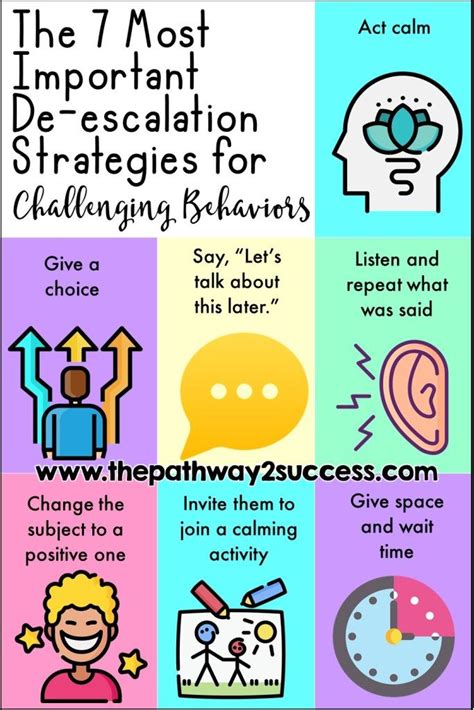
Beyond automated filters, human moderators excel at active listening – understanding the underlying issues fueling a disagreement. They can de-escalate heated arguments by intervening with calm, neutral language, redirecting conversations, or offering private mediation. This personal touch is crucial for distinguishing between genuine frustration and deliberate toxicity.
Fostering Positive Discussion
Promoting Constructive Engagement
Effective moderation isn’t just about punishment; it’s also about nurturing positive interactions. Moderators can actively promote constructive engagement by spotlighting well-reasoned arguments, creating dedicated spaces for feedback or suggestions, and encouraging members to engage in civil debate. This shifts the community’s focus from what’s forbidden to what’s encouraged.
Leading by Example
A moderator’s own conduct sets the tone for the entire community. By embodying patience, respect, and professionalism, they model the behavior expected from others. This leadership by example creates a ripple effect, encouraging other community members to adopt a similar approach to their interactions.

The Role of Community Feedback and Adaptation
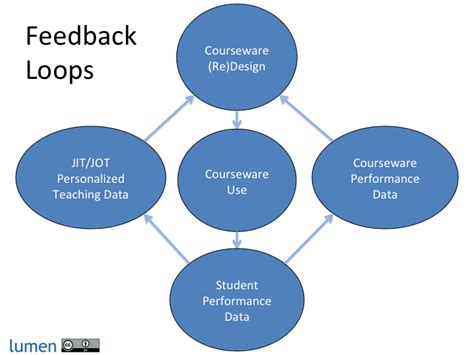
No moderation strategy is perfect from day one. Successful communities are those where moderators are open to feedback from their members, willing to review and adapt their policies based on the evolving needs and dynamics of the community. Regular community polls, suggestion boxes, or open forums can provide valuable insights into how moderation is perceived and where improvements can be made, ensuring the rules serve the community, not the other way around.
Ultimately, effectively combating toxicity without stifling genuine discussion is an ongoing journey, not a destination. It requires a nuanced understanding of human interaction, robust strategies, transparent communication, and an unwavering commitment to fostering a respectful yet vibrant environment. By empowering moderators with the right tools, clear guidelines, and community support, gaming spaces can remain engaging, inclusive, and enjoyable for everyone.