How to keep gaming guides updated for live-service games post-patch?

The Ever-Evolving Landscape of Live-Service Gaming
Live-service games, characterized by continuous updates, new content, and balance changes, present a unique challenge for guide creators. Unlike traditional, static titles, a guide for a live-service game can become outdated mere hours after a major patch. Players rely on accurate, up-to-date information to master new mechanics, adapt to meta shifts, and optimize their gameplay. For guide writers, the task isn’t just about creating content, but maintaining its relevance and accuracy over time.
Why Constant Updates Are Non-Negotiable
The integrity of a gaming guide hinges on its currency. Outdated information can mislead players, leading to frustration and a loss of trust in the guide’s creator. In competitive environments, even minor patch changes can drastically alter character viability, item effectiveness, or optimal strategies. Keeping guides current ensures players always have the most effective tools and knowledge at their disposal, solidifying the guide’s reputation as a reliable resource.
Core Strategies for Post-Patch Guide Maintenance
Maintaining up-to-date guides for live-service titles requires a proactive and systematic approach. Here are several key strategies:
1. Religiously Monitor Official Patch Notes and Developer Blogs
The most direct source of information is always the game developers themselves. Subscribe to official news feeds, follow developer social media, and scrutinize every detail of patch notes. These documents often highlight changes to abilities, item stats, map layouts, and new features, providing the foundational knowledge needed for guide revisions.
2. Actively Test and Verify In-Game Changes
Patch notes, while comprehensive, don’t always convey the full impact of changes. Practical, in-game testing is crucial. Dedicate time to play the game after a patch, experimenting with altered mechanics, new items, or buffed/nerfed characters. Observe how changes affect gameplay flow, power dynamics, and optimal strategies. This hands-on experience provides invaluable insights that text-based notes might miss.
3. Leverage Community Feedback and Discussions
The collective knowledge of a game’s community is an immense resource. Engage with forums, Reddit communities, Discord servers, and popular streamers. Players often discover subtle interactions, unintended consequences, or emerging meta strategies very quickly. While not always definitive, community discussions can highlight areas needing further investigation and help identify critical changes that might affect your guides.
4. Adopt a Modular Guide Design
Instead of writing monolithic blocks of text, structure your guides with modular, self-contained sections. For example, have separate sections for “Character Builds,” “Item Synergies,” “Map Callouts,” or “Strategy Per Role.” When a patch affects only a specific element, you can quickly update that module without overhauling the entire guide. This approach significantly reduces the time and effort required for updates.
5. Implement Version Control and Archiving
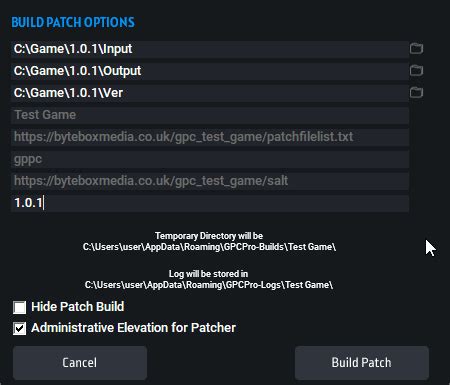
For extensive guides, consider using a version control system (like Git, if applicable for your publishing platform, or simply a systematic archiving method). Keep records of previous guide versions tied to specific game patches. This allows readers to reference older meta (useful for historical context or if they play an older game version) and helps you track changes made over time. Clearly label which game patch your guide is currently relevant for.
Streamlining Your Update Workflow
To make the update process efficient, establish a clear workflow:
- Schedule Review Sessions: Dedicate specific times post-patch for guide review and updates.
- Use Checklists: Create a checklist of sections that commonly need updates (e.g., character stats, item descriptions, ability explanations).
- Highlight Changes: Consider using distinct formatting (e.g., “NEW” labels, strike-throughs for old info, colored text) for a limited time after an update to clearly show readers what has changed.
- Communicate with Your Audience: Always include a “Last Updated” date and ideally a brief changelog at the beginning or end of your guide, acknowledging the patch it pertains to.

Conclusion: An Ongoing Commitment to Accuracy
Keeping gaming guides updated for live-service titles is an ongoing commitment, not a one-time task. It requires dedication, active engagement with the game and its community, and a strategic approach to content management. By implementing these strategies, guide creators can ensure their resources remain invaluable tools for players navigating the dynamic and exciting world of live-service gaming.