How to structure an Indie Spotlight to drive immediate game wishlist additions?
In the crowded digital marketplace, an Indie Spotlight serves as a crucial beacon for emerging games. But merely showcasing your title isn’t enough; the ultimate goal is to convert that momentary interest into a tangible action: a wishlist addition. Wishlists are the lifeblood of an indie game’s launch success, directly influencing visibility algorithms and pre-launch momentum. This guide will walk you through structuring your Indie Spotlight to effectively capture attention and, more importantly, drive immediate wishlist conversions.
The Irresistible Hook: Capturing Attention Instantly
An effective Indie Spotlight begins with an immediate grab for attention. Within the first 10-15 seconds, you need to communicate your game’s unique selling proposition (USP). What makes your game different, exciting, or revolutionary? Use a captivating headline, a striking hero image, or a short, high-energy teaser video (GIFs work wonders for quick consumption) that showcases gameplay or a compelling narrative hook. Think “elevator pitch” but for visual media.
Highlight the core mechanic, the artistic style, or the emotional experience that sets your game apart. Remember, you’re competing for a sliver of attention in a sea of content, so clarity and impact are paramount.
Visual Storytelling: Show, Don’t Just Tell
For games, visuals are paramount. Your Indie Spotlight should be a feast for the eyes, telling your game’s story without relying solely on text. Integrate high-quality screenshots, concept art, and most importantly, compelling gameplay footage. Show, don’t just tell. Demonstrate your unique mechanics, the beauty of your world, or the intensity of your action.
Consider a short, well-edited gameplay trailer that runs no longer than 60-90 seconds, focusing on exciting moments and key features. Break up longer descriptions with visual aids. Infographics can quickly explain complex systems, and character art can build emotional connection. Ensure all visuals are optimized for quick loading and look good across various devices.
The Compelling Call to Action (CTA): Guide Them to Wishlist
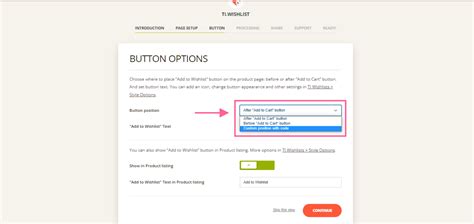
This is where many Indie Spotlights fall short. It’s not enough to impress; you must explicitly tell viewers what you want them to do. A clear, prominent, and repeated Call to Action for wishlisting is non-negotiable. Place your “Add to Wishlist” button or link strategically at the beginning, middle, and end of your spotlight.
Use strong action verbs and create a sense of urgency or exclusivity. Phrases like “Wishlist Now to be Notified,” “Don’t Miss Out,” or “Add to Your Wishlist Today” can be highly effective. Make the link undeniable and easy to click, ideally taking them directly to your Steam page or equivalent platform store page.
Leveraging Community & Engagement: Building Buzz
An Indie Spotlight isn’t a one-way broadcast; it’s an opportunity for engagement. Encourage comments, questions, and shares. Respond genuinely to feedback and foster a sense of community around your game. Highlight social media links where players can follow development, join your Discord server, or sign up for a newsletter.
Consider running a small giveaway or a limited-time demo accessible via wishlisting, providing an extra incentive. Showcase testimonials or positive early feedback if available. Building a relationship with your potential players makes them more invested and significantly increases the likelihood of a wishlist addition and eventual purchase.
Optimizing for Visibility: Where and When to Publish
The best Indie Spotlight is useless if no one sees it. Strategize your publication. Where will your spotlight live? On your website, a major gaming news site, a popular YouTube channel, or a community forum? Tailor your content slightly for each platform.
Research optimal posting times for your target audience. Leverage social media promotion, cross-posting, and collaborations with influencers or other indie developers. Use relevant hashtags and keywords to improve discoverability. A well-timed spotlight during a major gaming event or alongside a relevant trend can dramatically amplify its reach and, consequently, your wishlist numbers.

Measuring Success and Iterating
Finally, track your spotlight’s performance. Monitor wishlist additions before, during, and after its publication. Analyze click-through rates on your CTA, engagement metrics (likes, shares, comments), and traffic sources. Use this data to understand what resonates with your audience and what doesn’t.
Don’t be afraid to iterate. If one approach isn’t working, tweak your visuals, adjust your CTA, or refine your messaging. The goal is continuous improvement, constantly optimizing your Indie Spotlight strategy to maximize wishlist conversions and build sustainable momentum for your game’s launch.
Conclusion: Your Wishlist Catalyst
Structuring an Indie Spotlight isn’t just about showcasing your game; it’s about strategically guiding potential players from casual interest to a committed wishlist addition. By focusing on an irresistible hook, compelling visuals, a clear call to action, community engagement, and intelligent distribution, you transform your spotlight into a powerful catalyst for your game’s success. Implement these strategies, measure your results, and watch your wishlist numbers climb, paving the way for a strong launch.