How to update game reviews to reflect major post-launch patches and DLC effectively?
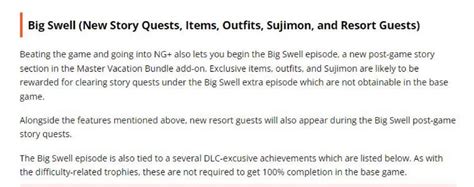
Initial game reviews capture a snapshot of a title at its launch. However, in today’s dynamic gaming landscape, many games evolve significantly post-release through major patches, balance adjustments, and substantial downloadable content (DLC). This evolution can drastically alter the player experience, sometimes transforming a mediocre game into a masterpiece, or vice-versa. For critics and gaming publications, the challenge lies in effectively updating these reviews to reflect these crucial changes, ensuring that readers receive the most accurate and current assessment possible.

The Imperative of Post-Launch Review Updates
Ignoring significant post-launch content renders initial reviews increasingly irrelevant over time. Readers seeking purchasing advice are often looking at the current state of a game, not its launch-day condition. An outdated review can mislead consumers and damage a publication’s credibility. Therefore, developing a robust strategy for review updates is not just good practice, but a necessity for maintaining authority and providing valuable service to the gaming community.
Defining “Major” Updates and DLC
Not every small patch warrants a review overhaul. The key is to identify updates that fundamentally alter the game’s core experience, address critical flaws, introduce significant new mechanics, or add substantial new content (like story expansions or new game modes). Minor bug fixes or cosmetic additions typically don’t necessitate a full review revision, though an editorial note might suffice for cumulative minor improvements that eventually shift the overall sentiment.

Strategies for Re-evaluation
1. The Tiered Approach: Revise vs. Addendum
A tiered system can help. For truly transformative updates, a full review revision might be appropriate, potentially even changing the original score. For substantial but less foundational changes, an addendum or updated section appended to the original review might be better. This allows the original context to remain while highlighting new information.
2. Replaying and Re-evaluating
Simply reading patch notes is insufficient. Reviewers must dedicate time to replaying the affected sections of the game, or the new content entirely. This involves assessing the impact on gameplay, narrative, technical performance, and overall enjoyment. Focus should be on how the changes affect the initial criticisms or praises, and whether they shift the overall value proposition of the game.

Methods of Communicating Updates
1. Full Review Revision with Clear Markings
If a game’s fundamental nature has changed, a complete revision of the original review, clearly marked with an “Updated” or “Revised” tag, alongside a new date and a detailed changelog, is the most direct approach. The original score can be adjusted if warranted. Transparency is paramount here; readers must understand why the review changed.
2. Appendices and Addendums
For significant but not game-altering updates, an appended section titled “Post-Launch Update” or “DLC Review Addendum” can be added to the original review. This section should detail the new content or changes, discuss their impact, and offer an updated perspective without necessarily rewriting the entire initial assessment or score.
3. Standalone DLC Reviews
For truly massive expansions that almost function as separate products (e.g., “The Witcher 3: Blood and Wine”), a standalone review for the DLC itself is often the most appropriate method. This allows for a dedicated assessment of the new content while still linking back to the base game’s review for context.

Editorial Best Practices for Credibility
- Transparency: Always clearly state what was updated, why, and when. A “Revision History” section is highly recommended.
- Archiving: Ensure that the original review, or at least its core arguments, remains accessible, even if superseded by an update. This demonstrates accountability.
- Consistency: Establish internal guidelines for when and how reviews will be updated. This ensures a consistent approach across all titles and reviewers.
- Timeliness: While thoroughness is key, updates should be published in a reasonable timeframe after the patch or DLC’s release to remain relevant.
- Clear Communication: Use headlines, introductory paragraphs, and dedicated sections to signpost the updated content effectively.
Conclusion
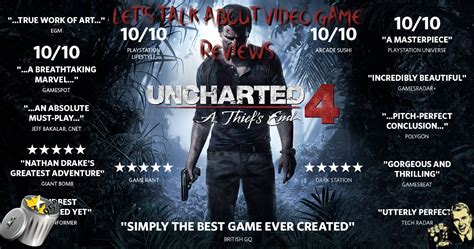
The landscape of game publishing is ever-changing, with post-launch support often being as critical as the initial release. For game reviewers, adapting to this reality means embracing a flexible and transparent approach to evaluating and communicating game experiences. By implementing clear strategies for re-evaluation, choosing appropriate communication methods, and adhering to strong editorial best practices, publications can ensure their game reviews remain accurate, relevant, and invaluable resources for the discerning gamer, long after a game’s launch day.