Best guide structure to boost player engagement & SEO for new games?
Launching a new game is an exciting but challenging endeavor. Beyond the game itself, the quality of your supplementary content—especially guides and walkthroughs—plays a pivotal role in its success. A well-structured guide not only educates and retains players but also acts as a powerful SEO tool, drawing in new audiences. But what’s the best way to structure these guides to achieve both?
The Dual Power of Excellent Game Guides
Effective game guides serve two critical masters: the player and the search engine. For players, a clear, concise, and helpful guide can be the difference between frustration and sustained engagement. For search engines, optimized guides can rank high, capturing organic traffic from potential players actively searching for information about your game or genre.
Boosting Player Engagement
Player engagement is paramount for a new game’s longevity. Guides that resonate with players:
- Ease the Learning Curve: New games can be complex. Comprehensive ‘getting started’ guides, clear explanations of core mechanics, and tips for early progression prevent players from feeling overwhelmed and abandoning the game.
- Enhance Discovery: Well-explained mechanics, secrets, and advanced strategies encourage players to delve deeper, fostering a sense of mastery and sustained interest.
- Build Community: Guides often serve as conversation starters. When players find valuable information, they’re more likely to discuss it, share it, and seek further advice, contributing to a vibrant community.
- Support Progression: Detailed walkthroughs for challenging quests or bosses ensure players don’t hit insurmountable roadblocks, keeping them moving forward.
Maximizing SEO Potential
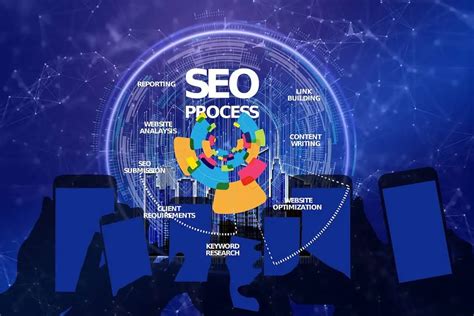
SEO for game guides is about making your content discoverable by those searching for it. Here’s how structure helps:
- Keyword Integration: Strategic use of relevant keywords (e.g., “game name beginner guide,” “game name best builds,” “game name walkthrough level 3”) in headings, paragraphs, and meta descriptions.
- Structured Data (Schema Markup): While not directly part of the guide’s visual structure, well-organized content lends itself easily to schema markup, helping search engines understand and display your content better (e.g., FAQ schema for an FAQ section).
- Internal and External Linking: Guides are prime real estate for linking. Internal links connect related guides, improving site navigation and SEO. External links to community forums or official game pages can also add value.
- Readability and User Experience: Search engines favor content that is easy to read and navigate. Clear headings, short paragraphs, bullet points, and a logical flow improve user experience, which in turn boosts SEO.

The Optimal Guide Structure: A Comprehensive Blueprint
To achieve both engagement and SEO, your guides need a robust, adaptable structure. Consider these essential components:
1. The “Getting Started” Hub (Beginner’s Guide)
This is crucial for new players. It should be concise, welcoming, and address immediate questions.
- Overview: What is the game about? What are its core objectives?
- Installation/Setup: Basic technical requirements and setup instructions.
- First Steps: Controls, basic UI navigation, initial questline.
- Core Mechanics Primer: Brief explanations of movement, combat, resource gathering, etc.
- Common Pitfalls: What new players often struggle with and how to avoid it.
SEO Focus: Target “game name beginner guide,” “how to start game name,” “game name first steps.”
2. Deeper Dives: Mechanics & Systems Explained
Once players are past the initial hurdle, they’ll want to understand the game’s intricacies.
- Detailed Mechanics Guides: Separate articles for combat, crafting, economy, skill trees, factions, etc.
- Character/Class Guides: In-depth analysis of different roles, abilities, and playstyles.
- Item/Gear Databases: Comprehensive lists with stats, acquisition methods, and usage tips.
SEO Focus: Target “game name combat guide,” “game name crafting system,” “game name best class,” “game name item list.”
3. Progression Pathways & Walkthroughs
For players seeking to conquer specific challenges or complete the game.
- Quest/Mission Walkthroughs: Step-by-step guides for main story quests and significant side missions, including boss strategies, puzzle solutions, and optimal routes.
- Area/Dungeon Guides: Maps, enemy types, loot tables, and secrets for specific zones.
- Endgame Content: Strategies for raids, competitive play, or post-story activities.
SEO Focus: Target “game name quest X walkthrough,” “game name boss Y strategy,” “game name best endgame build.”
4. Advanced Strategies & Optimization
For seasoned players looking to master the game.
- Build Guides: Optimized character/item configurations for specific goals (e.g., “game name PVP build,” “game name farming build”).
- Theorycrafting: Deep analysis of game systems to uncover optimal strategies.
- Economy Guides: Tips for earning in-game currency, trading, or market manipulation.
SEO Focus: Target “game name meta builds,” “game name optimal strategy,” “game name currency farm.”
5. Supporting Resources: FAQ & Glossary
These sections enhance usability and can be powerful SEO assets.
- Frequently Asked Questions (FAQ): A curated list of common player questions with concise answers. Excellent for generating “People Also Ask” snippets in Google.
- Glossary of Terms: Explanations of game-specific jargon, acronyms, and lore terms.
SEO Focus: Target “game name FAQ,” “game name terms explained,” and individual question keywords within the FAQ. This is also where Schema Markup for FAQs shines.
Best Practices for Content Creation
Beyond structure, the quality of your content impacts both engagement and SEO:
- Clarity and Conciseness: Get straight to the point. Use simple language.
- Visual Aids: Screenshots, maps, diagrams, and short video clips embedded (if your platform allows) significantly improve understanding and engagement.
- Regular Updates: Games evolve. Keep your guides current with patches and expansions to maintain their relevance and search ranking.
- Internal Linking: Link related guides together to create a robust network of information, keeping users on your site longer and helping search engines discover more of your content.
![Power Masters Simulator Codes [Event Update] (September 2025) - Try ...](/images/aHR0cHM6Ly90czIubW0uYmluZy5uZXQvdGg/aWQ9T0lGLkJ4dyUyYnlxZ0hKSkVucmk2b0JJSm9mQSZwaWQ9MTUuMQ==.webp)
Conclusion
Developing a comprehensive and well-structured guide strategy for your new game is an investment that pays dividends in both player satisfaction and organic growth. By thoughtfully planning your content, focusing on both user needs and search engine visibility, you can create a powerful resource that not only helps players master your game but also ensures countless more discover it.
Start outlining your guide content today, ensuring each piece serves a clear purpose for your audience and contributes to your overall discoverability.