What actionable tools and strategies help gaming mods reduce spam & keep discussions on-topic?

The Ever-Evolving Challenge of Gaming Community Moderation
Gaming communities, vibrant hubs of discussion, collaboration, and competition, are also fertile ground for spam, off-topic ramblings, and disruptive behavior. For moderators, the task of maintaining order and fostering constructive dialogue is a continuous battle. Success hinges on deploying a mix of technology and human-centric strategies to ensure discussions remain relevant and free from unwanted noise. Understanding these actionable tools and strategies is crucial for any effective moderation team.

Leveraging Automated Tools for Spam Reduction
The first line of defense against spam often comes in the form of automated tools. These technologies can process vast amounts of data quickly, identifying and removing problematic content before it disrupts the community. Key tools include:
- Keyword and Phrase Filters: Implementing blacklists for common spam terms, links, or even specific user names that have a history of disruptive behavior. These filters can automatically flag, remove, or hide content matching defined patterns.
- Rate Limiting and Flood Control: Preventing users from posting too frequently within a short period, especially new accounts. This can significantly reduce bot activity and rapid-fire spam attacks.
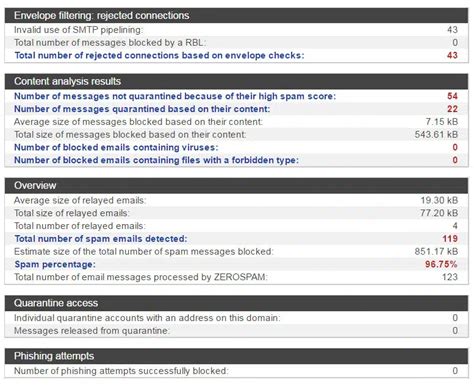
- Content Scoring and Machine Learning: Advanced platforms use AI to analyze post content, user history, and behavioral patterns to assign a ‘spam score’. High-scoring content is automatically hidden or sent for human review.
- Link Scanners and URL Whitelisting/Blacklisting: Automatically checking posted links against known malicious sites or only allowing links from pre-approved domains.
- User Reporting Systems: While not fully automated, robust user reporting mechanisms empower the community to flag spam, bringing it to the attention of mods for swift action. Many platforms integrate automated filters that trigger on a certain number of user reports.
These automated systems significantly reduce the manual workload for human moderators, allowing them to focus on more nuanced moderation tasks.
Strategies for Guiding On-Topic Discussions
While automated tools tackle spam, keeping discussions on-topic requires more nuanced, often human-driven strategies. It’s about setting clear expectations and gently steering conversations:
- Clear, Visible Community Guidelines: The foundation of any well-moderated community. Guidelines must explicitly state what constitutes on-topic and off-topic discussion, and what behaviors are acceptable. These should be easily accessible and frequently referenced.
- Dedicated Channels or Tags: For larger communities, creating specific channels (e.g., “#patch-notes,” “#general-chat,” “#looking-for-group”) or requiring users to apply topic tags helps segment discussions and encourages users to post in the correct place.
- Proactive Moderation and Redirection: Instead of just removing off-topic posts, moderators can actively redirect users. A gentle “Please move this discussion to #off-topic-chat” or “This question belongs in the #support channel” educates users and guides behavior.
- Moderator Engagement and Leading by Example: Moderators who actively participate in discussions, asking relevant questions and steering conversations, can subtly influence the community’s adherence to topic. Their presence and respectful interactions set a positive tone.
- Thread Locking and Archiving: For discussions that have run their course, become too heated, or veered significantly off-topic, locking or archiving the thread prevents further irrelevant contributions.
- Regular Q&A Sessions or Community Events: Providing structured opportunities for broader discussions can satisfy users’ need for general chat without derailing topic-specific channels.
The Indispensable Role of Human Moderators and Training
No amount of automation can fully replace the judgment, empathy, and nuance of human moderators. Their effectiveness is amplified by proper training and collaborative practices:
- Comprehensive Training: Moderators should be thoroughly trained on community guidelines, moderation tools, conflict resolution, and communication techniques. Consistency in applying rules is paramount.
- Team Collaboration and Communication: Regular meetings, shared logs, and internal communication channels allow moderation teams to discuss challenging cases, ensure consistent enforcement, and share best practices.
- Understanding Context: Human mods can discern intent, understand sarcasm, and interpret nuanced situations that automated systems often miss, crucial for fair and effective moderation.
- Community Feedback Loops: Establishing channels for community members to provide feedback on moderation decisions can build trust and refine strategies.

Conclusion: A Multi-Layered Approach for Thriving Communities
Ultimately, reducing spam and keeping gaming discussions on-topic is not a singular task but a multi-layered process. It demands a robust suite of automated tools for immediate, scalable threat detection, complemented by thoughtful, human-centric strategies that guide community behavior. By empowering moderators with the right resources and fostering a culture of clear communication and consistent enforcement, gaming communities can remain vibrant, engaging, and welcoming spaces for all players. The continuous adaptation to new spam tactics and community dynamics is key to long-term success in this ever-evolving digital landscape.