How do modders best gather community feedback for updates without burnout?
Modding communities are vibrant ecosystems, and their feedback is invaluable for refining updates and improving the player experience. However, this torrent of ideas, bug reports, and suggestions can quickly become overwhelming, leading to a phenomenon all too familiar to creative individuals: burnout. For modders, striking a balance between community engagement and self-preservation is not just beneficial, it’s essential for long-term project sustainability.
Understanding the Feedback Deluge
The sheer volume of community input can be daunting. From enthusiastic feature requests to critical bug reports and even conflicting opinions, sifting through it all demands significant time and mental energy. Without a structured approach, modders can find themselves drowning in data, struggling to prioritize, and feeling pressured to address every single comment. This constant pressure, coupled with the often-unpaid nature of modding, is a prime recipe for exhaustion.
Establishing Structured Feedback Channels
One of the most effective ways to manage feedback is to channel it. Rather than letting discussions sprawl across multiple platforms, direct your community to specific, well-organized avenues:
- Dedicated Forums/Sub-forums: Categorize discussions (e.g., Bug Reports, Feature Suggestions, General Discussion) to make information easily searchable and digestible.
- Discord Channels: Use specific channels for different types of feedback. Implement bots to automatically manage common queries or flag urgent issues.
- Feedback Forms/Surveys: Tools like Google Forms or SurveyMonkey can gather structured, quantifiable data, making it easier to identify trends and priorities.
- Public Testing Branches: For larger updates, consider a public beta branch where players can test new features and report issues directly within a controlled environment, often with integrated feedback tools.
Setting Clear Expectations and Guidelines
Managing expectations is crucial for both modders and the community. Clearly communicate what kind of feedback is most useful and how it will be processed:
- Be Specific: Ask for clear, actionable feedback. Provide templates for bug reports (e.g., “Steps to reproduce,” “Expected outcome,” “Actual outcome”).
- Define Scope: Let your community know what areas you’re focusing on for the next update and what’s currently outside the scope. This helps filter out irrelevant suggestions.
- Transparency: Regularly update your community on progress, what feedback has been incorporated, and why certain suggestions might not be pursued. A “known issues” list can also save time by preventing redundant reports.

Prioritizing and Actioning Feedback Smartly
Not all feedback holds equal weight. Developing a system for prioritization is key to avoiding feature creep and burnout:
- Identify Critical Bugs: Game-breaking issues should always take precedence.
- Analyze Trends: Look for recurring themes or suggestions that many players echo. These often indicate widely desired improvements.
- Weigh Effort vs. Impact: Consider the development time required for a feature versus its potential impact on the mod’s quality or player enjoyment. Sometimes, a small change can have a massive positive effect.
- “No” is a Complete Sentence: It’s okay to decline suggestions that don’t align with your vision or are simply too resource-intensive. Explaining your reasoning, even briefly, can help the community understand.
Preventing Burnout: Self-Care for Modders
Even with excellent feedback management, burnout remains a threat. Proactive self-care and boundary setting are vital:
- Schedule Dedicated Feedback Time: Instead of constantly checking, set aside specific blocks of time each day or week to review feedback. This prevents constant interruptions.
- Take Regular Breaks: Step away from the screen, engage in hobbies, or spend time with loved ones. A refreshed mind is a more productive one.
- Delegate or Collaborate: If you’re part of a modding team, distribute feedback management tasks. Even solo modders can sometimes enlist trusted community members to help moderate forums or gather initial data.
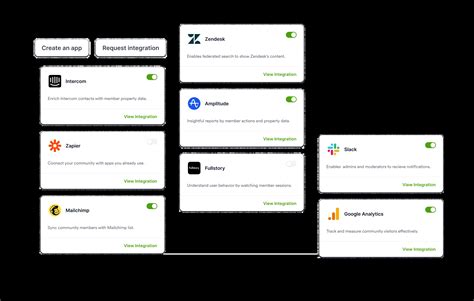
- Automate Where Possible: Utilize tools for bug tracking (e.g., Trello, GitHub Issues) or Discord bots for moderation and FAQ handling.
- Celebrate Progress, Not Perfection: Acknowledge your achievements, big or small. The modding journey is continuous, and chasing absolute perfection can be exhausting.

Embracing the Sustainable Modding Mindset
Sustainable modding isn’t about ignoring your community; it’s about engaging with them intelligently and healthily. By implementing structured feedback channels, setting clear expectations, prioritizing wisely, and actively practicing self-care, modders can harness the power of community input without sacrificing their passion or well-being. Remember, a well-rested modder is a productive and creative modder, ultimately leading to better updates and a happier community.