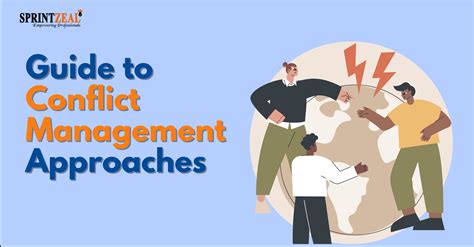
Actionable tips for gaming community moderators to manage toxicity & boost engagement?

Navigating the Digital Battleground: Essential Tips for Gaming Community Moderators
Gaming communities are vibrant hubs of passion, competition, and camaraderie. However, they can also become hotbeds for toxicity, ranging from offensive language to harassment. For community moderators, the challenge is immense: how do you maintain a healthy, engaging environment while effectively taming the darker impulses of the internet? This guide offers actionable strategies to tackle toxicity head-on and cultivate a thriving, positive gaming community.

Understanding the Roots of Toxicity
Before you can manage toxicity, you must understand its various forms and underlying causes. Toxicity often stems from anonymity, competitive frustration, power imbalances, or simply a lack of empathy. It can manifest as:
- Harassment: Targeted abuse towards individuals.
- Hate Speech: Discriminatory language based on identity.
- Spam & Trolling: Disruptive behavior for attention.
- Gatekeeping: Excluding others based on perceived skill or knowledge.
Recognizing these patterns early is crucial for effective intervention. A key part of a moderator’s role is to educate the community on what constitutes unacceptable behavior and why it harms the collective experience.
Proactive Strategies for Toxicity Management
1. Establish Clear, Accessible Guidelines
Your community rules are the foundation of your moderation efforts. They must be clear, concise, and easily accessible to all members. Go beyond simple “be nice” statements; define specific examples of prohibited behavior and the consequences for breaking the rules. Regularly remind members of these guidelines, perhaps through pinned messages or periodic announcements.
2. Consistent and Fair Enforcement
Inconsistency erodes trust. Apply rules uniformly to all members, regardless of their status or popularity. Documenting infractions and actions taken ensures transparency and helps maintain a balanced approach. Swift action against toxicity demonstrates that the community takes its rules seriously, deterring future misconduct.
3. De-escalation and Conflict Resolution
Not every incident requires a ban. Often, a skilled moderator can de-escalate tension through calm communication. Address the behavior, not the person. Offer warnings, temporary mutes, or private conversations before resorting to more severe penalties. Teaching community members to resolve minor conflicts among themselves can also empower positive interactions.

Fostering a Culture of Positive Engagement
Managing toxicity is only one side of the coin; actively boosting positive engagement is equally vital for a flourishing community. A positive environment naturally discourages negative behavior by making it less appealing.
1. Create Dedicated Safe Spaces
Designate specific channels or forums for casual chat, off-topic discussions, or even support. These safe spaces allow members to connect on a deeper level, building rapport and reducing the likelihood of conflict. Emphasize that these are areas where positivity is paramount.
2. Organize Engaging Events and Activities
Keep the community active and excited with regular events. This could include in-game tournaments, collaborative challenges, Q&A sessions with developers, art contests, or even casual game nights. Events provide shared positive experiences and encourage members to interact constructively.

3. Recognize and Reward Positive Contributions
Publicly acknowledge members who contribute positively, help others, or demonstrate exemplary behavior. This could be through a “member of the week” shout-out, special roles, or exclusive emotes. Positive reinforcement encourages more members to emulate desired behaviors.
4. Actively Solicit and Implement Feedback
Show your community that their opinions matter. Create avenues for feedback, conduct polls, and hold open discussions about community direction. Implementing suggestions where feasible makes members feel valued and invested, strengthening their loyalty and engagement.

Tools and Best Practices for Moderators
1. Leverage Automation and Moderation Bots
For larger communities, automation is indispensable. Bots can filter spam, detect offensive language, provide automated warnings, and even assist with rule enforcement. While bots are powerful, remember they are tools to assist human moderators, not replace them. Human oversight is always critical for nuanced situations.
2. Collaborate with Your Moderation Team
No moderator is an island. Regular communication, shared documentation, and collective decision-making among your mod team are essential. Discuss challenging cases, share insights, and ensure consistency across all moderation efforts. Team support also helps prevent moderator burnout.
3. Prioritize Moderator Well-being
Dealing with toxicity can be emotionally draining. Encourage your mod team to take breaks, practice self-care, and support each other. A burnt-out moderator is less effective and more susceptible to stress. Creating a supportive environment for your mods is just as important as for your community members.
Conclusion
Building and maintaining a healthy, engaging gaming community is an ongoing journey that requires dedication, empathy, and consistent effort. By understanding the dynamics of toxicity, implementing clear rules, enforcing them fairly, and actively promoting positive interactions, gaming community moderators can transform their digital spaces into vibrant havens where players feel safe, respected, and eager to connect. Your role as a moderator is not just about enforcing rules; it’s about shaping a culture.