How to effectively moderate mod community toxicity while fostering engagement?
Modding communities are vibrant hubs of creativity, innovation, and shared passion. They bring together players and developers who dedicate countless hours to enhancing their favorite games. However, like any online community, they are susceptible to toxicity, ranging from personal attacks and harassment to gatekeeping and general negativity. The challenge for community managers and moderators is to curb these detrimental behaviors without stifling the very engagement that makes these communities thrive.
The Dual Challenge: Combating Toxicity and Boosting Engagement
Moderating a mod community isn’t just about deleting offensive posts or banning problematic users. It’s about cultivating an environment where members feel safe, respected, and motivated to contribute. A heavy-handed approach can drive away good members and critical discussion, while too much leniency can allow negativity to fester and drive away potential contributors. The key lies in a nuanced strategy that blends proactive measures with responsive actions, always keeping the community’s health and growth in mind.
Pillars of Effective Moderation
1. Establish Clear, Concise, and Accessible Guidelines
The foundation of any healthy community is a well-defined set of rules. These guidelines should clearly outline what is and isn’t acceptable behavior. They must be easy to understand, comprehensive, and readily accessible to all members. Ensure they cover common issues like personal attacks, spam, piracy discussions, and discriminatory language. Regular reviews and updates are crucial to keep rules relevant as the community evolves.
2. Implement Consistent and Transparent Enforcement
Rules are only as good as their enforcement. Consistency builds trust and demonstrates fairness. If similar infractions receive vastly different penalties, members will lose faith in the moderation team. Transparency in moderation, where appropriate, can also be beneficial. While specific details of private moderation actions often remain confidential, communicating the general principles behind decisions helps members understand expectations and prevents speculation.

3. Foster Proactive Engagement and Positive Reinforcement
Don’t wait for toxicity to appear; actively encourage positive interactions. Highlight exemplary members who contribute constructively, create helpful guides, or lead positive discussions. Publicly acknowledging good behavior can be a powerful tool for shaping community culture. Organize events, challenges, or collaborative projects that encourage members to work together towards shared goals, naturally diverting energy from potential conflicts.
Strategies for Fostering Positive Engagement
1. Empower Community Leaders and Mentors
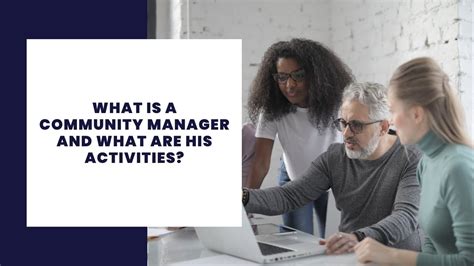
Identify and empower positive community members who can act as mentors or informal leaders. These individuals can help guide new members, set a positive example, and even assist in de-escalating minor conflicts before they reach the moderation team. Giving trusted members a sense of ownership can significantly boost engagement and create a self-policing aspect to the community.

2. Create Dedicated Spaces for Different Discussions
Sometimes, perceived toxicity is simply a mismatch of expectations. Providing dedicated channels or sub-forums for specific topics – such as bug reports, mod suggestions, general chat, or even off-topic discussions – can help manage discussions. This organization prevents unrelated conversations from derailing important threads and allows members to self-select into discussions that interest them.
3. Implement Effective Communication Channels
Open lines of communication between moderators and the community are vital. This includes official announcements, Q&A sessions, and feedback mechanisms. Let members know what changes are being made, why they are being made, and how they can voice their opinions constructively. Feeling heard is a powerful antidote to frustration and resentment, which can often fuel toxic behavior.
Tools and Best Practices for Moderators
- Automated Moderation Tools: Utilize bots for spam filtering, keyword detection, and initial warnings. These tools can handle repetitive tasks, freeing up human moderators for more complex issues.
- Dedicated Reporting Systems: Make it easy and anonymous for members to report problematic content or behavior. Respond to reports promptly and transparently (where appropriate).
- Moderator Training and Support: Ensure your moderation team is well-trained, understands the rules, and has access to resources for de-escalation and mental health support. Moderation can be demanding, and a supported team is a more effective one.
- Regular Community Feedback: Periodically survey your community to gather feedback on moderation, rules, and overall community health. This not only shows you value their input but also provides valuable insights for improvement.

Conclusion
Moderating a mod community is an ongoing journey that demands dedication, empathy, and adaptability. By establishing clear guidelines, enforcing them consistently, and actively fostering positive engagement through empowerment and open communication, community managers can build thriving spaces. The goal is not just to eradicate toxicity but to cultivate a vibrant, welcoming, and productive environment where passion for modding can truly flourish.