What daily practice routine effectively boosts aim for competitive FPS players?
The Blueprint for Elite FPS Aim
For competitive First-Person Shooter (FPS) players, exceptional aim isn’t just about raw talent; it’s the product of consistent, deliberate practice. While many players grind hours, a truly effective daily routine is structured, targeted, and holistic, focusing on more than just flicking a mouse. It integrates mechanical drills, in-game application, and critical self-analysis to create a feedback loop for continuous improvement.
Establishing Your Foundation: Mechanical Drills
The core of any aim-boosting routine lies in dedicated mechanical practice. This is where you isolate and refine specific aiming skills.
Warm-up (10-15 minutes)
- Static Target Practice: Begin with simple static targets in your game’s training range or an aim trainer. Focus on perfect crosshair placement and precise clicks.
- Tracking Drills: Move to tracking moving targets, maintaining your crosshair on the target as smoothly as possible. Vary target speeds and patterns.
Dedicated Aim Training (20-30 minutes)
Tools like KovaaK’s, Aim Lab, or even specialized custom maps within games (e.g., Valorant’s Range, CS:GO’s Aim Botz) are invaluable. They offer a vast array of scenarios designed to target specific weaknesses.
- Scenario Variety: Don’t stick to just one or two scenarios. Rotate through different types: flicking, tracking, target switching, and reaction time drills.
- Focus on Weaknesses: Identify what you struggle with (e.g., long-range duels, close-quarter tracking) and prioritize scenarios that address those areas.
- Quality over Quantity: Focus on perfect technique over speed. Slowing down to ensure precision will build better muscle memory.

Applying Skills: In-Game Practice & Review
Mechanical skill is only half the battle; knowing how to apply it effectively in a competitive environment is crucial.
Deathmatch or Casual Modes (15-20 minutes)
Before diving into competitive matches, use deathmatch or casual modes as a bridge. This allows you to:
- Practice Aggressive Peeking: Experiment with different angles and movement patterns without the pressure of losing ranks.
- Focus on Crosshair Placement: Actively try to pre-aim common angles and clear corners efficiently.
- Engage Frequently: Maximize gunfights to solidify mechanical skills in a dynamic setting.
Competitive Matches with Purpose (1-3 hours)
Playing competitive matches is essential, but it needs to be purposeful. Instead of just grinding, focus on specific in-game improvements.
- Targeted Improvement: Before each match, pick one or two things to actively focus on (e.g., holding angles better, improving peeking technique, making better clutch decisions).
- Maintain a Positive Mindset: Avoid tilt. Every death or lost round is a learning opportunity.
VOD Review & Self-Analysis (30-60 minutes, 3-4 times a week)
This is arguably the most neglected yet powerful aspect of improvement. Reviewing your own gameplay allows you to identify patterns, mistakes, and areas for improvement that you wouldn’t notice in the heat of the moment.
- Analyze Deaths: Pause and ask: “Why did I die? Could my crosshair placement have been better? Was my positioning poor? Did I over-peek?”
- Review Good Plays: Understand what you did right to replicate it.
- Identify Trends: Do you consistently lose specific types of duels? Do you struggle against certain agent abilities or weapon types?
Holistic Player Development: Beyond Pure Aim
While aim is paramount, a competitive FPS player is more than just their mouse hand. Neglecting other aspects can hinder overall performance.
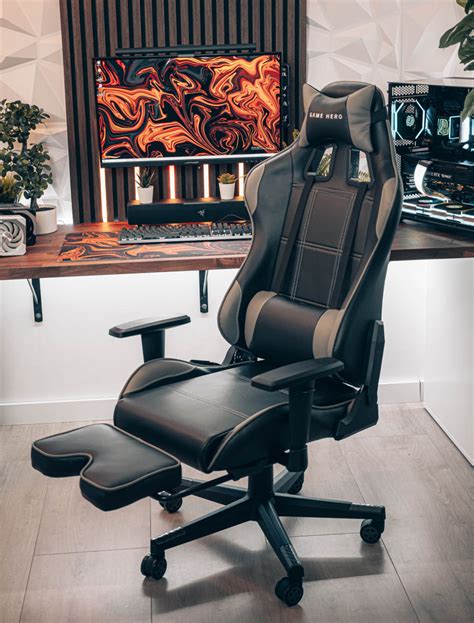
- Ergonomics & Gear: Ensure your mouse, keyboard, monitor, and chair are set up optimally to prevent fatigue and injury. Consistent settings are key.
- Breaks & Hydration: Regular short breaks (5-10 minutes every hour) and staying hydrated prevent burnout and maintain focus.
- Physical Activity & Sleep: A healthy body supports a sharp mind. Exercise improves circulation and reaction time, while adequate sleep is crucial for cognitive function.
- Mental Fortitude: Practice positive self-talk, manage tilt, and stay calm under pressure. Confidence and resilience are as important as mechanical skill.
Crafting Your Daily Schedule (Example)
A typical 2-3 hour daily routine could look like this:
- Warm-up (10-15 min): In-game range or simple aim trainer drills.
- Aim Trainer (20-30 min): Specific scenarios targeting weaknesses.
- Deathmatch/Casual (15-20 min): Practice aggressive plays and crosshair placement.
- Competitive Matches (60-90 min): 2-3 focused games with specific goals.
- Cool-down/Review (10-15 min): Briefly reflect on matches, maybe a quick VOD segment.
On non-match days or longer sessions, dedicate more time to in-depth VOD review (30-60 min) or exploring new strategies.

Consistency and Adaptability are Key
The most effective routine is one you can consistently stick to. Don’t be afraid to adjust it based on your personal energy levels, game updates, or evolving weaknesses. Track your progress in aim trainers, review your VODs diligently, and always strive for purposeful practice. By adopting a structured and holistic approach, competitive FPS players can significantly boost their aim and climb to new heights.